DoJG 日本語文法辞典(全集)
Meaning
Probably
How to use it
(1) {V/Adjective い} informal | だろう | |
| {話す/話した} だろう | Someone will probably talk/probably talked |
| {高い/高かった} だろう | Something is/was probably expensive |
(2) {Adjective な stem/ N} | {Ø/だった} だろう | |
| {静か/静かだった} だろう | Something is/was probably quiet |
| {先生/先生だった} だろう | Someone is/was probably a teacher |
Explanation
An auxiliary indicating the speaker’s conjecture which is not based on any particular information or evidence.
In context 4 examples
アンダーソンさんは日本へ行くだろう・でしょう。
Ms. Anderson will probably go to Japan.
あのアパートは高いでしょう。
That apartment is probably expensive.
ロジャーはスキーが上手だろう。
Roger is probably good at skiing.
あの人は中国人だろう。
That man is probably Chinese.
日本語文型辞典
Meaning
Basic information: N/Na だろう A/V だろう. Description: In writing, it is used by both men and women, but in speech it is generally used by men. The polite form is “でしょう.”
With falling intonation, it expresses the speaker’s conjecture. Compared with “かもしれない,” the speaker has a higher degree of belief that the matter is true, and it is often used with words such as “たぶん” and “きっと.” Depending on the context, it can also express the speaker’s judgment somewhat tentatively rather than a conjecture.
With rising intonation, it expresses confirmation. It implies that the speaker expects the listener to agree. It is usually used by men. Women use “でしょう/でしょ.” This is conversational speech.
It expresses the speaker’s doubt or concern about whether something will happen. Example ③ is rhetorical and means “Who would believe it? No one would believe it.” As in ⑤, the speaker can also put forward their doubt and ask the listener about it in a roundabout way. It can also be used parenthetically, as in ⑧, to express the speaker’s doubt.
An expression that conjectures whether something will happen. The speaker uses it when they cannot state their belief with as much confidence as “だろう,” but still indicate that they think the event is likely. For example, in ③, the speaker thinks inwardly that they may get a good result, though they are not certain. Conversely, if the speaker thinks the likelihood is low, they use “だろうか.” In speech, this becomes “(ん)ではないだろうか.”
“Regardless of whether it is X or Y; anyone or anything.” When adjectives or verbs are used, forms such as “暑かろうが、寒かろうが,” “生きようが死のうが,” and “雨が降ろうが降るまいが” are used, in the patterns “A-かろうが” and “V-ようが.”
a. …だろうに
Means “although one would think…” Often conveys the speaker’s sympathy or criticism.
b. …だろうに
Expresses regret that something did not actually happen.
⇾のだろう
How to use it
…だろう【conjecture】
…だろう【confirmation】
…だろうか
…ではないだろうか
N/Na ではないだろうか
A/V のではないだろうか
Nだろうが、Nだろうが
…だろうに
…のだろう
In context 40 examples
あしたもきっといい天気だろう。
Tomorrow will surely be fine too.
この辺は木も多いし、たぶん昼間も静かだろう。
There are lots of trees around here, and it will probably be quiet during the day too.
北海道では、今はもう寒いだろう。
It’s probably already cold in Hokkaido now.
この程度の作文なら、だれにでも書けるだろう。
Anyone could probably write an essay of this level.
これだけ長い手紙を書けば、両親も満足するだろう。
If I write a letter this long, my parents will probably be satisfied.
彼がその試験問題を見せてくれた。ひどくむずかしい。わたしだったら、全然できなかっただろう。
He showed me the exam questions. They’re terribly difficult. If it had been me, I probably wouldn’t have been able to do any of them.
A:朝はずっと雪の中で鳥の観察をしていたんです。
B:それは、寒かっただろうA: I was observing birds in the snow all morning. B: That must have been cold.
A:お母さんたちは今頃どこにいるかしら。
B:もうホテルに着いているだろうよ。A: I wonder where Mom and the others are now. B: They’ve probably arrived at the hotel by now.
A:これでよろしいですか。
B:ああ、いいだろう。A: Is this all right? B: Yes, that should be fine.
A:どれにしましょうか。
B:これがいいだろう。A: Which one shall we choose? B: This one should be good.
A:君も行くだろう?
B:はい、もちろん。A: You’re going too, right? B: Yes, of course.
A:美術館はバスをおりてすぐみつかりました。
B:行くの、簡単だっただろう?A: We found the art museum right after getting off the bus. B: It was easy to find, wasn’t it?
やっぱり、納得できなくてもう一度自分で交渉に行ったんだ。わかるだろう、ぼくの気持ち。
In the end, I couldn’t accept it, so I went to negotiate in person again. You understand how I feel, right?
この計画に、母は賛成してくれるだろうか。
I wonder if my mother will support this plan.
今回の試合のためにはあまり練習できなかった。いい成績があげられるだろうか。
I couldn’t practice much for this match. I wonder if I can get a good result.
こんな不思議な話だれが信じるだろうか。
Who would believe such a strange story?
彼はこつこつと作品を作り続けているが、いつかその価値を認める人が出てくるだろうか。
He keeps working steadily on his pieces, but I wonder if someone will come along someday who recognizes their worth.
A:佐々木さん、こんな仕事を引き受けてくれるだろうか。
B:だいじょうぶだよ。喜んで引き受けてくれるよ。A: Do you think Sasaki will take on this kind of work? B: It’ll be fine. He’ll be glad to accept it.
このコンテスト、はたしてだれが優勝するだろうか。
I wonder who will win this contest.
A:山下さん、欠席ですね。
B:うん。病気だろうか。A: Yamashita is absent, isn’t she? B: Yeah. I wonder if she’s sick.
この選挙は、雨が降ったからだろうか、投票率が非常に低かった。
The turnout in this election was very low—perhaps because it rained.
さっきすれちがった人は、高校のときの同級生ではないだろか。
I wonder if the person I just passed was a classmate from high school.
この統計からは彼の述べているような予測をたてるのは無理ではないだろうか。
Wouldn’t it be impossible to make the kind of prediction he is making based on these statistics?
選手たちの調子がとてもいいから、今回の試合ではいい成績があげられるのではないだろうか。
The players are in very good form, so perhaps they’ll get a good result in this match.
一日十ページ書いていけば、来月中には完成できるのではないだろうか。
If I write ten pages a day, I should be able to finish it by the end of next month.
通子(みちこ)はけんかして以来少しやさしくなった。いろいろと反省したのではないだろうか。
Michiko has become a little kinder since the quarrel. I wonder if she reflected on things.
この道の両側に桜の木を植えれば、市民のいい散歩道になるのではないだろうか。
If we planted cherry trees on both sides of this road, wouldn’t it make a pleasant walking path for the citizens?
相手が重役だろうが、社長だろうが、彼は遠慮せずに言いたいことを言う。
Whether the other person is an executive or the company president, he says what he wants without holding back.
子供だろうが、大人だろうが、法を守らなければならないのは同じだ。
Whether you’re a child or an adult, you still have to obey the law.
彼は、山田さんだろうが、加藤さんだろうが、反対する者は容赦しないと言っている。
He says he won’t show mercy to anyone who opposes him, whether it’s Mr. Yamada or Mr. Kato.
もし鉄道が使えなければ、ボートだろうが、ヘリコプターだろうが、とにかく使える方法でできるだけ早くそこに到着しなければならない。
If the railway can’t be used, we have to get there as quickly as possible by whatever means are available, whether by boat or helicopter.
その山道は、子供には厳しかっただろうに、よく歩き通した。
That mountain trail must have been tough for children, yet they walked all the way through.
忙しくて大変だっただろうに、よく期日までに仕上げたものだ。
It must have been difficult with so much work, yet they finished it on time.
共同経営者を失ったのは痛手だっただろうに、彼は一人で会社を立て直してしまった。
Losing his business partner must have been a blow, yet he rebuilt the company on his own.
冬の水は冷たくてつらいだろうに、彼らは黙々と作業を続けていく。
The winter water must be cold and painful, yet they keep working in silence.
きちんと読めばわかっただろうに、あわてたばかりに誤解してしまった。
I would have understood if I’d read it carefully, but I misunderstood because I rushed.
あなたの言い方がきついから、彼女はとうとう泣き出してしまった。もっとやさしい言い方もあっただろうに。
She finally started crying because you spoke so harshly. You could have put it more gently.
うちでグズグスしていなかったら、今頃は旅館に到着しておいしい晩ご飯を食べていただろうに。
If we hadn’t dawdled at home, by now we would have arrived at the inn and been eating a delicious dinner.
もしあの大金をこの会社に投資していたら、大儲けできただろうに。
If I had invested that huge amount of money in this company, I could have made a fortune.
地図と磁石をもって行けば、迷ってもそんなにあわてることはなかっただろうに。
If we had brought a map and compass, we wouldn’t have had to panic so much when we got lost.
Read the original source text
Meaning
基本情報N/Na だろうA/V だろう説明書きことばとしては、男女別なく用いるが、話しことばとしては、一般に男性が用いる。丁寧な形は「でしょう」となる。
下降調のイントネーションを伴って、話し手の推量を表す。「かもしれない」に比べて、話し手がその事を真実だと考えている度合いが高く、「たぶん」「きっと」などと共に使うことも多い。また、文脈によっては、推量ではなく、話し手の判断をややぼかして表すこともある。
上昇調のイントネーションを伴って、確認を表す。聞き手が同意してくれることを期待しているという含みがある。男性が使うのが普通。女性の言葉としては、「でしょう/でしょ」となる。話しことば。
話し手がその事が起こる可能性について疑念を抱いたり、心配したりする気持ちを表す。③は反語の表現で「だれが信じるだろうか、だれも信じないだろう」という意味。また、⑤のように、自分の疑念を投げ出すようにして、間援的に、聞き手に問いかけることもできる。⑧のように、挿入句的に用いて話し手の康念を表すこともある。
ある事が起こるかどうかについて推量を表す表現。「だろう」を使うほど自信をもって述べられないが、その事については肯定的だということを示す。たとえば、③では、話し手は、心の中で、確実ではないけれど、いい成績があげられると思っている。逆に可能性が低いと思っている場合は、「だろうか」の表現を使う。話しことばでは「(ん)ではないだろうか」となる。
「Xでも、Yでも関係なく、だれでも(何でも)」の意味。形容詞や動詞が用いられるときは、「暑かろうが、寒かろうが」「生きようが死のうが、」「雨が降ろうが降るまいが」のように「A-かろうが」「V-ようが」の形が使われる。
a. …だろうに
「…と思われるのに」という意味。話し手の同情、批判などがこめられることが多い。
b. …だろうに
実際には起こらなかったことを残念に思う気持ちを表す。
⇾のだろう
How to use it
…だろう【推量】
…だろう【確認】
…だろうか
…ではないだろうか
N/Na ではないだろうか
A/V のではないだろうか
Nだろうが、Nだろうが
…だろうに
…のだろう
絵でわかる日本語
Usage 1
Read this source entry ↗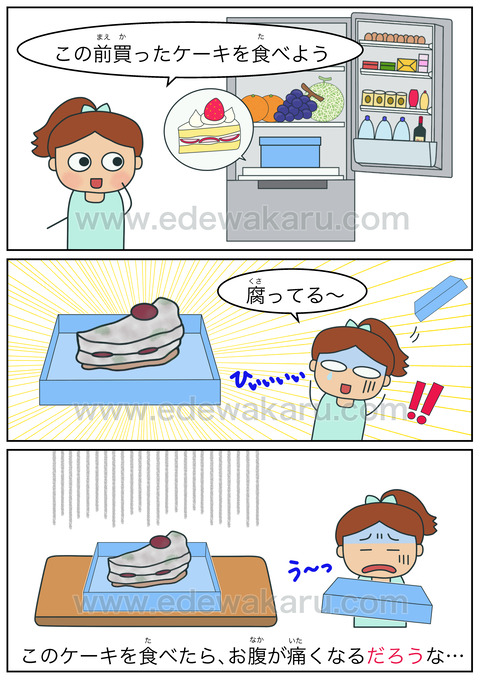
Meaning
Probably… / I think it’s probably…
Surely… / I think it’s surely…
How to use it
Verb [plain form] + だろう・でしょう
い-adjective [ーい] + だろう・でしょう
な-adjective [ーな] + だろう・でしょう
Noun [dictionary form] + だろう・でしょう
Explanation
“〜だろう” means “I think probably…” and is a sentence pattern that expresses the speaker’s [conjecture]. Its polite form is “〜でしょう.” When “〜だろう・〜でしょう” express [conjecture], they are pronounced with falling intonation.
[Examples]
①If I eat this cake, I’ll probably get a stomachache. (↘)
②It’ll probably rain tomorrow. (↘)
③This kanji will surely be on the test. (↘)
④Dad will be home soon. (↘)
There are many sentence patterns that use “〜だろう,” so review them 😉
In context 7 examples
このケーキを食べたら、お腹が痛くなるだろうな…
→このケーキを食べたら、たぶんお腹が痛くなると思う…If I eat this cake, I’ll probably get a stomachache… → I think I’ll probably get a stomachache if I eat this cake…
明日は雨が降るだろう
→明日はたぶん雨が降ると思うIt’ll probably rain tomorrow. → I think it’ll probably rain tomorrow.
この漢字は、きっとテストに出るだろう
→この漢字は、きっとテストに出ると思うThis kanji will surely be on the test. → I think this kanji will surely be on the test.
お父さんは、もうすぐ帰ってくるだろう
→お父さんは、たぶんもうすぐ帰ってくると思うDad will be home soon. → I think Dad will probably be home soon.
ダイヤモンドをプレゼントしたら、彼女は喜ぶだろう
→ダイヤモンドをプレゼントしたら、彼女はきっと喜ぶと思うIf I give her a diamond, she’ll be happy. → I think she’ll surely be happy if I give her a diamond.
彼は「最近忙しい」と言っていたから、パーティーには来ないだろう
→彼はたぶんパーティーには来ないと思うHe said, “I’ve been busy lately,” so he probably won’t come to the party. → I think he probably won’t come to the party.
コンビニやスーパーがないところに住むと、とても不便だろうな…
→きっと、とても不便だと思うIf you live somewhere without convenience stores or supermarkets, it’ll probably be very inconvenient… → I think it’ll surely be very inconvenient.
Read the original source text
Meaning
たぶん〜だと思う
きっと〜だと思う
How to use it
動詞[普通形]+だろう・でしょう
い形容詞[ーい]+だろう・でしょう
な形容詞[ーな]+だろう・でしょう
名詞[辞書形]+だろう・でしょう
Explanation
「〜だろう」は「たぶん〜と思う」という意味で、話し手の[推量]を表す文型です。「〜だろう」の丁寧形は「〜でしょう」です。[推量]の「〜だろう・〜でしょう」は、
文末を下げて
発音します。
[例]
①このケーキを食べたら、お腹が痛くなる
だろう
(
⤵︎)
②明日は雨が降る
だろう
(⤵︎)
③この漢字は、きっとテストに出る
でしょう
(⤵︎)
④お父さんは、もうすぐ帰ってくる
でしょう
(⤵︎)
「〜だろう」がつく文型は、たくさんありますので復習しておきましょう😉
Usage 2
Read this source entry ↗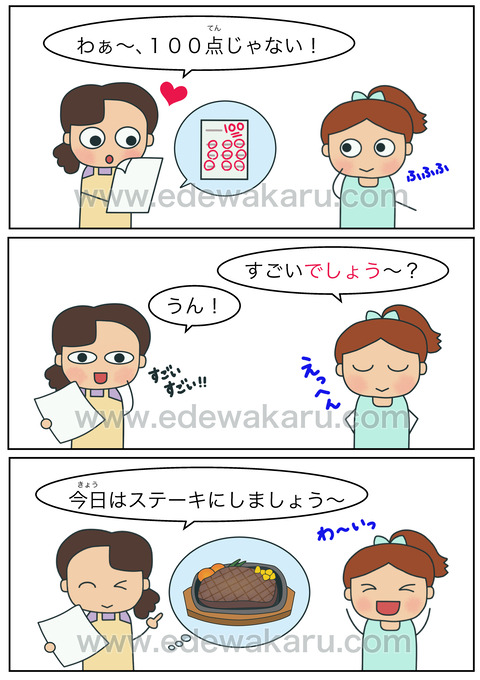
Meaning
check or ask the other person for confirmation
How to use it
Verb [plain form] + だろう・でしょう
い-adjective [ーい] + だろう・でしょう
な-adjective [ーな] + だろう・でしょう
Noun [dictionary form] + だろう・でしょう
Explanation
「〜だろう」 and 「〜でしょう」 are used to confirm something with or ask a question of the other person. In many cases, they are used to ask or confirm something while expecting the other person to agree. Unlike 「〜だろう」 used to express conjecture,
they are pronounced with a rising intonation at the end of the sentence.
[Examples]
①Mother: Wow! You got 100 points!
Daughter: Great,
でしょう
〜?(⤴︎)
→Asking while expecting the other person to say, “Yeah, it’s great!”
②Father: Here’s a souvenir! You wanted this,
だろう?(⤴︎)
→Asking while expecting the other person to say, “Yeah, I wanted it.”
③A: You’re going to the event tomorrow,
だろう?(⤴︎)
→Asking while expecting the other person to say “yes.”
④A: You’re coming to the drinking party today,
でしょう?(⤴︎)
→Asking or confirming while expecting the other person to say “yes.”
⑤Older brother: Mom bought me new shoes! Nice,
だろう?(⤴︎)
→Asking while expecting his younger brother to say “Yeah.”
The colloquial forms of 「〜だろう・〜でしょう」 used to express confirmation or a question are 「〜だろ・〜でしょ」. They are commonly used in everyday conversation, so let’s review them. 😉
[Related patterns]
In context 5 examples
母:わぁ!100点じゃない!娘:すごいでしょう〜?母:うん、がんばったね!
Mother: Wow! You got 100 points! Daughter: Pretty amazing, huh? Mother: Yeah, you worked hard!
父:お土産だよ!それ、欲しかったんだろう?娘:うん!お父さんありがとう!!
Father: Here’s a souvenir! You wanted this, right? Daughter: Yeah! Thanks, Dad!!
A:明日のイベントに参加するだろう?B:もちろん!
A: You’re going to the event tomorrow, right? B: Of course!
A:今日の飲み会に来るでしょう?B:うん、行くつもりだよ
A: You’re coming to the drinking party today, right? B: Yeah, I’m planning to go.
兄:お母さんが新しい靴を買ってくれたんだ!いいだろう?弟:いいな〜。ぼくもお母さんに買ってもらおうっと
Older brother: Mom bought me new shoes! Nice, right? Younger brother: Lucky you. I’m going to ask Mom to buy me some too.
Read the original source text
Meaning
相手に確認・質問をする
How to use it
動詞[普通形]+だろう・でしょう
い形容詞[ーい]+だろう・でしょう
な形容詞[ーな]+だろう・でしょう
名詞[辞書形]+だろう・でしょう
Explanation
「〜だろう」「〜でしょう」は、相手に[確認][質問]する時に使われる文型です。多くの場合、相手が同意してくれることを期待して質問や確認をする時に使われます。[推量]を表す「〜だろう」とは反対で、
文末を上げて発音します。
[例]
①母:わぁ!100点じゃない!
娘:すごい
でしょう
〜?(⤴︎)
→「うん、すごいね」と言ってくれることを期待して質問
②父:お土産だよ!それ、欲しかったん
だろう?(⤴︎)
→「うん、欲しかった」と言ってくれることを期待して質問
③A:明日のイベントに参加する
だろう?(⤴︎)
→相手が「うん」と言うことを期待して質問
④A:今日の飲み会に来る
でしょう?(⤴︎)
→相手が「うん」と言うことを期待して質問・確認
⑤兄:お母さんが新しい靴を買ってくれたんだ〜いい
だろう?(⤴︎)
→弟が「うん」ということを期待して質問
[確認・質問]を表す「〜だろう・〜でしょう」の口語形は「〜だろ・〜でしょ」です。日常会話(にちじょうかいわ)でよく使われますので復習しておきましょう😉
【関連文型】
どんなときどう使う 日本語表現文型辞典
Usage 1
Meaning
probably, most likely
How to use it
〔Plain form〕 (ナA / N) + だろう
Explanation
だろう〈推量〉
1)はっきり断定できないことや天気予報など、未来の予測を表すのによく使われる。 ❹ のように、現在や過去のことの推測にも使われる。
2)話す人の、意志的な行為の予測には使わない。
◆ × わたしは来年、結婚するでしょう。
3)「でしょう」は「だろう」の丁寧な形。 ❺ のように「でしょうか」は話す人が自分も推測をしながら軟らかく聞く言い方。
◆ × わたしは来年、結婚するでしょう。
3)Copula でしょう is polite form of だろう. In sentence ❺ , でしょうか is used to soften speaker's question while making conjecture.
1)Often used to express predictions for future concerning inconclusive or weather forecasts. Used for conjecture about both present and past events, as in sentence ❹ .
2)Not used for predicting speaker's intentional actions.
In context 5 examples
田中さんは旅行には行かないだろう。忙しいと言っていたから。
Mr. Tanaka probably won't go on the trip, since he said he was busy.
今年は家族旅行は無理だろう。
A family trip probably won't be possible this year.
10年後にはこの町も公園の数がもっと多くなっているでしょう。
In ten years, this town will probably have many more parks.
久しぶりにいなかに帰ります。村もずいぶん変わったでしょう。
I'm going back to my hometown for the first time in a long while. The village will probably have changed a lot.
松本選手は今度の試合に出られるでしょうか。
Will athlete Matsumoto be able to compete in the upcoming match?
Read the original source text
Meaning
probably, most likely
How to use it
〔普通形〕(ナA/N)+だろう
Explanation
だろう〈推量〉
1)はっきり断定できないことや天気予報など、未来の予測を表すのによく使われる。 ❹ のように、現在や過去のことの推測にも使われる。
2)話す人の、意志的な行為の予測には使わない。
◆ × わたしは来年、結婚するでしょう。
3)「でしょう」は「だろう」の丁寧な形。 ❺ のように「でしょうか」は話す人が自分も推測をしながら軟らかく聞く言い方。
◆ × わたしは来年、結婚するでしょう。
3)Copula でしょう is polite form of だろう. In sentence ❺ , でしょうか is used to soften speaker's question while making conjecture.
1)Often used to express predictions for future concerning inconclusive or weather forecasts. Used for conjecture about both present and past events, as in sentence ❹ .
2)Not used for predicting speaker's intentional actions.
Usage 2
Meaning
how very!
How to use it
〔Plain form〕 (イAい・イAいの / ナA・ナAなの / N・Nなの) + だろう
Explanation
だろう〈気持ちの強調〉
非常に~だ
1)心に強く感じたことや感激したことを感情を込めて言うときの表現。
2)「なんと・なんて・どんなに・いかに」とともに使うことが多い。
2)Often used with なんと, なんて, どんなに, or いかに.
1)Expresses deep feelings or strong emotions.
In context 4 examples
(夕日を見て)ああ、なんときれいな夕日だろう。
(Looking at the sunset) Ah, what a beautiful sunset!
(果物を食べながら)なんておいしい果物だろう。
(Eating fruit) What delicious fruit!
子どもってなんてかわいいんでしょう。
Children are so adorable!
新しい芽が出る新緑とはなんと美しいのだろう。
How beautiful the fresh greenery is, with its new buds sprouting!
Read the original source text
Meaning
how very!
How to use it
〔普通形〕(イAい・イAいの/ナA・ナAなの/N・Nなの)+だろう
Explanation
だろう〈気持ちの強調〉
非常に~だ
1)心に強く感じたことや感激したことを感情を込めて言うときの表現。
2)「なんと・なんて・どんなに・いかに」とともに使うことが多い。
2)Often used with なんと, なんて, どんなに, or いかに.
1)Expresses deep feelings or strong emotions.
Usage 3
Meaning
would have if
How to use it
Vたら / イAかったら / ナAだったら / Nだったら + ~だろう(に)
Explanation
たら~だろう(に)
もし~たら、~のに
Vば/イAければ/ナAなら/Nなら+~だろう(に)
1)「過去または現在の事実に反することを仮想して、その場合は違う状況が起こっていただろう。事実はそうならなかったが」という意味で使う。
2)文の終わりに「に」「のに」をつけると、そうならなかったことを残念に思う気持ちが強まる。
3) ❺ は「(事実は)高いから、買えない」という現在の状況を言う。 ❶ ❸ のように丁寧な言い方では「たら~でしょうに」という形になる。
2)If に or のに are appended to end of sentence, feeling of regret is strengthened.
3)In sentence ❺ , speaker implies she can't buy the item because it is actually too expensive. In polite speech, becomes たら~でしょうに, as in sentences ❶ and ❸ .たら
1)Supposes an event contravening past or present actuality; suggests some different situation would have arisen if contravention had been true. Implies that things did not turn out as hoped.
In context 5 examples
先月お会いしたとき、彼が日本に戻っているのを知っていたら、お話ししたでしょうに。
When I met him last month, if I had known he was back in Japan, I would have spoken with him.
田中課長が今回の担当だったら、契約は成立していただろう。
If Section Chief Tanaka had been in charge this time, the contract would probably have been concluded.
きのうのうちにあなたからのメールを読んでいれば、今朝すぐに連絡したでしょうに。
If I had read your email yesterday, I would have contacted you first thing this morning.
若いうちにもっと語学を勉強しておけば、好きな旅行の仕事ができただろう。
If I had studied more languages while I was young, I could have worked in the travel industry I love.
もう少し値段が安ければ、わたしにも買えるだろうに。
If the price were a little lower, I could afford it.
Read the original source text
Meaning
would have if
How to use it
Vたら/イAかったら/ナAだったら/Nだったら+~だろう(に)
Explanation
たら~だろう(に)
もし~たら、~のに
Vば/イAければ/ナAなら/Nなら+~だろう(に)
1)「過去または現在の事実に反することを仮想して、その場合は違う状況が起こっていただろう。事実はそうならなかったが」という意味で使う。
2)文の終わりに「に」「のに」をつけると、そうならなかったことを残念に思う気持ちが強まる。
3) ❺ は「(事実は)高いから、買えない」という現在の状況を言う。 ❶ ❸ のように丁寧な言い方では「たら~でしょうに」という形になる。
2)If に or のに are appended to end of sentence, feeling of regret is strengthened.
3)In sentence ❺ , speaker implies she can't buy the item because it is actually too expensive. In polite speech, becomes たら~でしょうに, as in sentences ❶ and ❸ .たら
1)Supposes an event contravening past or present actuality; suggests some different situation would have arisen if contravention had been true. Implies that things did not turn out as hoped.
日本語NET JLPT文法解説まとめ
Usage 1
Read this source entry ↗Meaning
The plain form of “〜でしょう.” Tactfully conveys the speaker’s thoughts; speculation.
How to use it
V (plain form) + だろう
ナAだ + だろう
Nだ + だろう
Explanation
Plain form of でしょう. Conveys the speaker's idea in a circumlocutory manner. Speculation.
In context 11 examples
空に雲がたくさんあるから、もうすぐ雨が降るだろう。
There are a lot of clouds in the sky, so it will probably rain soon.
もうすぐ、雨が止むだろう。
The rain will probably stop soon.
たぶんトムさんは今日、学校へ来ないだろう。
Tom probably won’t come to school today.
これはもう食べないほうがいいだろう。
It would probably be better not to eat this anymore.
妻はもうすぐ帰ってくるだろう。
My wife will probably come home soon.
たぶんこの雨は1時間ぐらいでやむだろう。
This rain will probably stop in about an hour.
前の試験は簡単すぎたから、きっと次の試験は難しくなるだろう。
The previous exam was too easy, so the next one will surely be difficult.
あれ、あそこにいる人は誰だろう。
I wonder who that person over there is.
あ、誰か教室に教科書を忘れてる。きっとトムさんのだろう。
Oh, someone left a textbook in the classroom. It must be Tom’s.
仕事が全然終わらないって言っていたから、今夜の飲み会に、彼は来れないだろう。
He said that his work wasn’t getting finished at all, so he probably can’t come to the drinking party tonight.
このあたりはコンビニも、スーパーも、デパートもないから、生活はきっと不便だろうな。
There are no convenience stores, supermarkets, or department stores around here, so life must be inconvenient.
Read the original source text
Meaning
「〜でしょう」の普通体。話し手の考えを婉曲に伝える・推量
How to use it
V(普通形)+ だろう
ナAだ + だろう
Nだ + だろう
Explanation
Plain form of でしょう. Conveys the speaker's idea in a circumlocutory manner. Speculation.
Usage 2
Read this source entry ↗Meaning
So very 〜
An expression used to express feelings of amazement or surprise.
How to use it
Plain form + だろう
In context 10 examples
あぁ、なんて美しい人なんだろう。あんなに綺麗な人に今まであったことがない。
Ah, what a beautiful person! I’ve never met anyone as beautiful as her before.
なんて美味しい料理なんだろう。こんな料理なら毎日でも食べられるよ。
What delicious food! I could eat a meal like this every day.
初めてインターネットを使った時、なんて便利なんだろうと思いました。
When I first used the internet, I thought, “How convenient!”
iPhoneを初めて触った時、なんて素晴らしい発明だろうと思いました。
When I first used an iPhone, I thought, “What a wonderful invention!”
わぁ、なんて軽いのだろう。このノートパソコンなら持ち運びも楽チンだね。
Wow, how light it is! This laptop would be so easy to carry around.
なんて恐ろしい話なんだろう。
What a horrifying story!
あぁ、なんて素敵な人なんだろう。あんな人にこれまで出会ったことがないわ。
Ah, what a wonderful person! I’ve never met anyone like that before.
今日はなんて素晴らしい日なんだろう。
What a wonderful day it is today!
なんて失礼な人なんだろう。
What a rude person!
なんてつまらない本なんだろう。買って損したわ。
What a boring book! I regret buying it.
Read the original source text
Meaning
非常に〜だ
感激したことや驚いたことを気持ちを込めて言う表現。
How to use it
普通形 + だろう
日本語文型辞典 英語版
Meaning
【だろう】[N/Na だろう][A/V だろう]In written language both men and women use this expression, but in spoken language, it is generally used by men. The polite form of this is でしょう.
B:それは、寒かっただろうね。
It must have been cold.
B:もうホテルに着いているだろうよ。
They’ve got to have arrived at the hotel by now.
B:ああ、いいだろう。
Yes, I’d say so.
B:これがいいだろう。
This one should be good.
Expresses the speaker’s supposition and is accompanied by falling intonation. The extent to which the speaker considers the fact to be true is higher than かもしれない, and this is often used with expressions like たぶん and きっと. Depending on the context, だろう can also be used to make the speaker’s judgment a little more vague, instead of using it for supposition.
B:はい、もちろん。
Yes, of course.
B:行くの、簡単だっただろう?
It was easy to go, wasn’t it?
Expresses confirmation, and is accompanied by a rising intonation. Has the connotation that the speaker expects the listener to agree with him. It is usually used by men. Women use でしょう or でしょ instead. These are used in spoken language.
B:だいじょうぶだよ。喜んで引き受けてくれるよ。
Don’t worry, I’m sure she’ll be glad to.
B:うん。病気だろうか。
Yes. I wonder if he’s ill.
Expresses the doubtful or worried feeling of the speaker about the possibility of whether a certain thing will happen.
(3)
is an ironic expression meaning “who would believe it, no one would.” Can also be used as in
(5)
to indirectly question the listener by getting rid of any doubts the speaker has. In addition, can also be used parenthetically to express the speaker’s doubt, as in
(8)
.
Indicates a supposition about whether something will happen. The speaker is not as certain as when using だろう, but indicates that he feels positive about it happening. In
(3)
, for example, the speaker feels that he can get a good result although he is not certain. If the speaker feels that the possibility is low, then だろうか is used. In spoken language, (ん)ではないだろうか is used.
Means that “regardless of X or Y, anyone (or anything) will do.” When adjectives or verbs are used, the expression takes the form A-かろうが and V-ようが, as in 暑かろうが寒かろうが, 生きようが死のうが, and 雨が降ろうが降るまいが.
Means “one would think so, and yet....” Often implies the speaker’s sympathy or criticism.
b. ...だろうに
Expresses the feeling of regret that something didn’t happen.
How to use it
1. ...だろう〈supposition, conjecture〉
2. ...だろう〈confirmation〉
3. ...だろうか
4. ...ではないだろうか[N/Na ではないだろうか][A/V のではないだろうか]
5. Nだろうが、Nだろうが
6. ...だろうにa. ...だろうに
7. ...のだろう→
In context 40 examples
あしたもきっといい天気だろう。
The weather will probably be nice tomorrow, too.
この辺は木も多いし、たぶん昼間も静かだろう。
This area also has many trees and it’s probably quiet in the daytime.
北海道では、今はもう寒いだろう。
Hokkaido must already be cold.
この程度の作文なら、だれにでも書けるだろう。
Anyone should be able to write simple sentences like this.
これだけ長い手紙を書けば、両親も満足するだろう。
My parents will probably be happy if I write a letter this long.
彼がその試験問題を見せてくれた。ひどくむずかしい。わたしだったら、全然できなかっただろう。
He showed me the test questions. They were horribly difficult. If it were me, I probably wouldn’t have been able to answer any of them.
A:朝はずっと雪の中で鳥の観察をしていたんです。
I was watching birds in the snow all morning.
A:お母さんたちは今頃どこにいるかしら。
I wonder where my mother and the others are right now.
A:これでよろしいですか。
It this all right?
A:どれにしましょうか。
Which one shall we take?
A:君も行くだろう?
You’re also going, right?
A:美術館はバスをおりてすぐみつかりました。
I got off the bus and found the art gallery right away.
やっぱり、納得できなくてもう一度自分で交渉に行ったんだ。わかるだろう、ぼくの気持ち。
I couldn’t agree to it after all, so I went once again by myself to negotiate. You understand my feelings, don’t you?
この計画に、母は賛成してくれるだろうか。
I don’t know if Mother will agree to this plan.
今回の試合のためにはあまり練習できなかった。いい成績があげられるだろうか。
I couldn’t practice that much for this match. I wonder about my performance.
こんな不思議な話、だれが信じるだろうか。
Whoever would believe such a bizarre story?
彼はこつこつと作品を作り続けているが、いつかその価値を認める人が出てくるだろうか。
He keeps working steadily on the piece, but will the time ever come that someone will recognize its value?
A:佐々木さん、こんな仕事を引き受けてくれるだろうか。
I wonder if Sasaki-san will take on a job like this?
このコンテスト、はたしてだれが優勝するだろうか。
I wonder who will ever win this contest in the end.
A:山下さん、欠席ですね。
Yamashita-san is absent.
この選挙は、雨が降ったからだろうか、投票率が非常に低かった。
I wonder if it was because it rained, but the voting rate was very low for this election.
さっきすれちがった人は、高校のときの同級生ではないだろうか。
Wasn’t the person we just passed our high school classmate?
この統計からは彼の述べているような予測をたてるのは無理ではないだろうか。
From these statistics, isn’t it rather impossible to put forward the prediction he mentioned?
選手たちの調子がとてもいいから、今回の試合ではいい成績があげられるのではないだろうか。
The players are in very good condition, so we may be able to get a good result in today’s match.
一日十ページ書いていけば、来月中には完成できるのではないだろうか。
If we write ten pages a day, shouldn’t we be able to finish it sometime next month?
通子はけんかして以来少しやさしくなった。いろいろと反省したのではないだろうか。
Michiko has become kinder since the argument. Maybe she’s been reflecting on all sorts of things.
この道の両側に桜の木を植えれば、市民のいい散歩道になるのではないだろうか。
I think it might become a nice walking path for local residents if we plant cherry trees on either side of this street.
相手が重役だろうが、社長だろうが、彼は遠慮せずに言いたいことを言う。
He doesn’t hesitate to say what he wants, whether it’s to a senior manager or the president.
子供だろうが、大人だろうが、法を守らなければならないのは同じだ。
Whether you’re a child or an adult, everyone has to obey the laws just the same.
彼は、山田さんだろうが、加藤さんだろうが、反対する者は容赦しないと言っている。
He’s saying that whether it’s Yamada-san or Kato-san, he won’t forgive those who oppose him.
もし鉄道が使えなければ、ボートだろうが、ヘリコプターだろうが、とにかく使える方法でできるだけ早くそこに到着しなければならない。
If the train can’t be used, we must get there as quickly as possible by any means available, whether it’s a boat or a helicopter.
その山道は、子供には厳しかっただろうに、よく歩き通した。
That mountain path must have been hard for a child. He did well to walk all the way.
忙しくて大変だっただろうに、よく期日までに仕上げたものだ。
It has to have been difficult as she was so busy, but she did well in getting it done on time.
共同経営者を失ったのは痛手だっただろうに、彼は一人で会社を立て直してしまった。
He rebuilt the company single-handedly, despite the hardship he must have had of losing a co-manager.
冬の水は冷たくてつらいだろうに、彼らは黙々と作業を続けていく。
Water in the winter must be cold and the job hard, but he continues working in silence.
きちんと読めばわかっただろうに、あわてたばかりに誤解してしまった。
If I had read it carefully I should have been able to understand, but because I hurried through it, I misunderstood.
あなたの言い方がきついから、彼女はとうとう泣き出してしまった。もっとやさしい言い方もあっただろうに。
Your way of speaking was so harsh that she ended up bursting into tears. There must have been a kinder way of saying it.
うちでグズグズしていなかったら、今頃は旅館に到着しておいしい晩ご飯を食べていただろうに。
If we hadn’t dillydallied at home, by now we would have arrived at the inn and be eating a delicious meal.
もしあの大金をこの会社に投資していたら、大儲けできただろうに。
If I had invested that large sum of money in this company, I would have made a fortune.
地図と磁石をもって行けば、迷ってもそんなにあわてることはなかっただろうに。
If you had taken a map and a compass, even if you had gotten lost, you wouldn’t have panicked that much.
AIUEO JLPT Grammar
Meaning
「〜だろう」and「〜でしょう」are expressions used to indicate the speaker’s guess or to seek confirmation from the listener. 「〜だろう」is a casual form, while「〜でしょう」is a more polite form.
How to use it
Verb (の) + だろう or でしょう; Adjective + だろう or でしょう; Adjectival noun + だろう or でしょう; Noun + だろう or でしょう
In context 5 examples
明日は雨が降るだろう。
It will probably rain tomorrow.
このお茶は美味しいでしょう。
This tea is probably delicious.
試験の結果は大丈夫だろう。
The exam results will probably be fine.
この提案は承認されるでしょう。
This proposal will probably be approved.
注意すれば、問題は起こらないでしょう。
If you are careful, there will probably be no problems.
Read the original source text
Meaning
「〜だろう」and「〜でしょう」are expressions used to indicate the speaker’s guess or to seek confirmation from the listener. 「〜だろう」is a casual form, while「〜でしょう」is a more polite form.
How to use it
動詞(の)+だろうorでしょう形容詞+だろうorでしょう形容動詞+だろうorでしょう名詞+だろうorでしょう
Explanation · 日本語
「〜だろう」および「〜でしょう」は、話し手の推測や、相手への確認を示す表現です。「〜だろう」はカジュアルな表現であり、「〜でしょう」は丁寧な表現です。
文法
Usage 1
Meaning
The plain form of “〜でしょう.” Tactfully conveys the speaker’s thoughts; speculation.
How to use it
V (plain form) + だろう
な-adjective + だ + だろう
N + だ + だろう
In context 11 examples
空に雲がたくさんあるから、もうすぐ雨が降るだろう。
There are a lot of clouds in the sky, so it will probably rain soon.
もうすぐ、雨が止むだろう。
The rain will probably stop soon.
たぶんトムさんは今日、学校へ来ないだろう。
Tom probably won’t come to school today.
これはもう食べないほうがいいだろう。
It would probably be better not to eat this anymore.
妻はもうすぐ帰ってくるだろう。
My wife will probably come home soon.
たぶんこの雨は1時間ぐらいでやむだろう。
This rain will probably stop in about an hour.
前の試験は簡単すぎたから、きっと次の試験は難しくなるだろう。
The previous exam was too easy, so the next one will surely be difficult.
あれ、あそこにいる人は誰だろう。
I wonder who that person over there is.
あ、誰か教室に教科書を忘れてる。きっとトムさんのだろう。
Oh, someone left a textbook in the classroom. It must be Tom’s.
仕事が全然終わらないって言っていたから、今夜の飲み会に、彼は来れないだろう。
He said that his work wasn’t getting finished at all, so he probably can’t come to the drinking party tonight.
このあたりはコンビニも、スーパーも、デパートもないから、生活はきっと不便だろうな。
There are no convenience stores, supermarkets, or department stores around here, so life must be inconvenient.
Read the original source text
Meaning
「〜でしょう」の普通体。話し手の考えを婉曲に伝える・推量
How to use it
V(普通形)+ だろう
ナAだ + だろう
Nだ + だろう
Usage 2
Meaning
An expression used to convey a feeling of being deeply moved or surprised by how extremely ~ something is.
How to use it
Plain form + だろう
In context 10 examples
あぁ、なんて美しい人なんだろう。あんなに綺麗な人に今まであったことがない。
Ah, what a beautiful person! I’ve never met anyone as beautiful as her before.
なんて美味しい料理なんだろう。こんな料理なら毎日でも食べられるよ。
What delicious food! I could eat a meal like this every day.
初めてインターネットを使った時、なんて便利なんだろうと思いました。
When I first used the internet, I thought, “How convenient!”
iPhoneを初めて触った時、なんて素晴らしい発明だろうと思いました。
When I first used an iPhone, I thought, “What a wonderful invention!”
わぁ、なんて軽いのだろう。このノートパソコンなら持ち運びも楽チンだね。
Wow, how light it is! This laptop would be so easy to carry around.
なんて恐ろしい話なんだろう。
What a horrifying story!
あぁ、なんて素敵な人なんだろう。あんな人にこれまで出会ったことがないわ。
Ah, what a wonderful person! I’ve never met anyone like that before.
今日はなんて素晴らしい日なんだろう。
What a wonderful day it is today!
なんて失礼な人なんだろう。
What a rude person!
なんてつまらない本なんだろう。買って損したわ。
What a boring book! I regret buying it.
Read the original source text
Meaning
非常に〜だ感激したことや驚いたことを気持ちを込めて言う表現。
How to use it
普通形 + だろう
Bunpro Grammar Reference
Meaning
Right?, Probably, Isn't it?
How to use it
Verb + だろう
Adjective + だろう
Noun + だろう
Nuance
A structure that casually highlights what the speaker thinks is probable, or is looking for agreement on.
Explanation
だろう is a conjugated form of だ, and can also be seen in the contracted form だろ (more casual). だろう expresses that the speaker thinks that something is true (assertion/expectation), and also that the listener would probably agree with them. This comes across like 'right?', or 'probably' in English.
お前、明日パーティーに行くだろ?
You are going to the party tomorrow, right?
明日は晴れるだろう。
It will probably be clear tomorrow.
だろう carries exactly the same meaning as でしょう (the polite equivalent). However, due to だ being more casual than です, だろう is also considered to be more casual/masculine than でしょう.
Caution
While だろう is usually used when the speaker has some sort of information that would support their assertion, it can also be used simply when the speaker 'feels' that something is true.
これは、お菓子だろう?
This is candy, isn't it?
In this kind of sentence that expresses a 'feeling' or 'hunch', だろう comes across as quite low confidence. The speaker's tone of voice will often reveal how confident だろう is.
In context 16 examples
- ここがいいだろう?
This place here is good (right?)
- 明日は晴れるだろう。
It will probably be clear tomorrow.
- お前、明日パーティーに行くだろ?
You are going to the party tomorrow, right?
- あなただろう。
It's you (right?)
- これはペンだろう。
This is a pen. (right?)
- 今夜は、忙しいだろう。
Tonight is busy (right?)
- これは、水だろう。
This is water, right?
- これは、右だろう?
It is right (direction), isn't it?
- 今日は、雨だろう。
Today it is probably going to rain.
- これは、半分だろう。
This is half, right?
- 初めてだろう。
It is your first time (right?)
- ミカサさんも医者だろう。
Mikasa-san is also a doctor, right?
- これは、美味しいだろう。
This is delicious (right?)
- 赤色がいいだろう。
Red is good, (right?)
- ここはいいだろう。
This is a good place, isn’t it?
- これは、お菓子だろう?
This is candy, isn't it?
IMABI
The Auxiliaries だろう・でしょう
Read this IMABI lesson ↗Explanation
The Auxiliaries だろう・でしょう
In this lesson, we will go into depth on the auxiliaries だろう・でしょう, which are the plain speech and polite speech equivalents of each other for denoting “supposition,” both neatly translating as “probably.” Both are combinations of the auxiliary verb ~う attached to the 未然形 of the copulas だ・です.
In addition to creating the volitional form, the auxiliary verb ~う may also indicate supposition, which refers to a statement that is assumed to be true, often without definitive proof. While the auxiliary verb ~う also plays this role with other parts of speech, for now, we will just look at how it functions within だろう・でしょう.
To conclude, we will also learn about variants of these auxiliaries in other speech registers: ~でありましょう・~でございましょう・~でいらっしゃいましょう・~であろう.
だろう・でしょう
The auxiliaries だろう・でしょう both neatly translate as “probably” or the like, and in an interesting turn of events, they may both attach to all predicate types.
Predicate Type接続Ex.
Verbal終止形する{だろう・でしょう}
will probably do
Adjectival終止形新しい{だろう・でしょう}
is/will be probably new
Adjectival NounRoot (語幹)簡単{だろう・でしょう}
is/will be probably easy
NominalRoot (語幹)明日{だろう・でしょう}
will probably be tomorrow
Interpretation as far as tense and aspect are concerned will be context-dependent, but it is worth noting that, as the chart below indicates, verbal predicates + ~だろう・でしょう are interpreted in the future tense, whereas nominal, adjectival, and adjectival noun predicates may be interpreted as either being present or future tense. “Would be…” is also often an appropriate translation across the board if the suppositional statement is purely hypothetical.
At the turn of the 20th century, だろう・でしょう replaced the original means of representing supposition with verbs and adjectival predicates1, which involved the auxiliary verb ~(よ)う directly attaching to their 未然形.
i. 明日は雨が降ろう。(Old-Fashioned)
ii. 明日は雨が降るだろう。(Modern)
While not grammatically incorrect, i. and sentences like it which utilize the traditional conjugating of ~(よ)う with verbs or adjectives is no longer commonplace in both the spoken and written languages2. As such, the examples that follow below all follow the pattern established in ii.
1. 食べないほうがいいだろう。
It’s probably best not to eat (it).
2. もうすぐ(雨が)止むだろう。
It will likely stop raining soon.
3. 出席者は高々たかだか10人だろう。
There will likely be no more than ten attendees.
4. 今晩は雪でしょう。
It’ll probably snow this evening.
5. 薬くすりで頭痛ずつうは収おさまるでしょう。
Your headache should subside with medicine.
6. 戦争は終わるだろう。
The war will likely end.
7. 諒君はもうすぐ帰ってくるだろう。
Ryo-kun will probably be home soon.
8. サンドイッチに入れても美味しいでしょう。
It would also probably taste good in a sandwich.
9. 諦める事は簡単でしょう。
Giving up would be easy enough.
10. 狙い通りだろう。
That’s what (you/we) were aiming for.
Translation Note: At times, it is not always necessary to include “probably/likely” in the English translation if the resultant phrasing in English itself can be just as easily perceived as a suppositional statement.
11. 台風で避難警告が出ているが自分だけは大丈夫だろう。
There’s an evacuation warning for the typhoon, but surely I’ll at least be fine.
12. 色々世間を騒がせているが、うちの会社は問題ないだろう。
There’s been a lot of uproar in the world, but I’m sure our company won’t be affected.
It may go without saying that ~だろう・でしょう may also directly follow the plain forms of the past, negative, and negative-past forms of all predicate types.
13. さっき言ったでしょう。
I told you so.
14. 常識のある人ならそんな言い方はまずしないでしょう。
People with common sense would never phrase things like that in the first place.
16. 辛かっただろう。泣きたかっただろう。
I’m sure it was tough. I’m sure you wanted to cry.
17. IMABIの内容は5年前の自分には理解できなかっただろう。
I probably wouldn’t have been able to understand IMABI’s content five years ago.
18. 食べていたら、お腹が空いていなかったでしょう。
If I had been eating, I wouldn’t have been hungry.
~だろう・でしょう + ~が・けれど
As modal auxiliaries marking supposition, だろう・でしょう may both combine with the conjunctive particles が and けれど (along with all of its forms).
19. 一回の選挙で現状は劇的には変わらないだろうけど、風景はどんなになるだろうか?
One election is unlikely to dramatically change the status quo, but what will the landscape look like?
20. 人によるでしょうけど食事を楽しむ環境ではありません。
I’m sure it depends on the person, but this is not the kind of environment for enjoying a meal.
21. オレのせいにすることないだろうが、どうせ出かけるつもりだったんじゃないか。
There’s surely no way you’d blame it on me, but were you not planning on heading out anyway?
The conjunctive particles が and けれど (along with all of its forms) may also function as final particles. ~だろうが is heavily used by male speakers when stressing a point. If female speakers are to similarly stress a point, they often deviate to the more polite ~でしょうけ(れ)ど, which may be used by men as well for the same polite effect. ~でしょうが is also possible, but when used by a male speaker, the tone is just as stern and scary as if the speaker had just stuck to ~だろうが.
22. どうです、大したものでしょうが。
Well? I’m sure it’s quite a big deal, but (I digress).
~だろう・でしょう w/ Final particles
~だろう is frequently followed by final particles such as よ, ね, and な. As for ~でしょう’s relation with these same final particles, the situation is far more complicated. With ~でしょう being polite, the affirmative tone is lessened. As an effect of this tone leveling, ね is the most appropriate of the three particles for it. In fact, ~でしょうよ can come off “oh, how come you don’t know that?” which is not the nicest thing in the world to say. Meanwhile, ~でしょうな is stilted toward older male speech but heavily underused in comparison to ~だろうな.
23. よく知らない人に使うと慎みのない下品な言い方であることが分かるでしょうよ。
If you use (that) with someone you don’t know well, you’d surely realize just how immodest and vulgar the pattern is.
24. 不便だろうな。
That’s probably inconvenient.
25. 私だったらそんな馬鹿げたことしなかったでしょうね。
If it were me, I wouldn’t have done something so stupid.
だろう・でしょう?
With a ⤴ intonation, だろう・でしょう, create rhetorical questions equivalent to “right…?” depending on the predicate type and conjugation used.
26. 嘘だろう?
You got to be kidding, right?
27. さっき言ったでしょう?
I told you that earlier, right?
With a tapering intonation (↘) , だろう・でしょう create rhetorical questions spoken to oneself, with no intended audience (or a listener expected to respond). The presence of ? or the lack thereof is not a litmus test for determining the nature of a rhetorical question so much as the presence of an interrogative.
28. 私は誰だろう。
Who am I?
29. 相手が本当に知りたいことは何だろう?
What could the other person really want to know?
30. 君に出逢ったのはいつだろう?
When was it that I met you?
だろうか
~だろうか may be used to express personal doubt, especially in one’s inner monologue. This is the case for both men and women, and in this sense, it can be translated as “I wonder…”
31. 何時だろうか。
I wonder what time it is.
32. いつ行うだろうか。
I wonder when (he)’ll carry it out.
When spoken and not a part of one’s inner monologue, ~だろうか is paired with a rising intonation to direct serious doubt at someone about something or that individual. Such utilization is more typical of male speech.
33. あんな馬鹿ばかな行為が許されるだろうか。
How would such a stupid action be allowed?
でしょうか
With a standard question intonation (higher but not rising), ~でしょうか is most utilized as a more formal replacement of ~ですか, but unlike ~ですか, it may be paired with all predicate types and all basic forms (non-past, past, negative, negative-past).
With nominal, adjectival, and adjectival noun predicates, it may be viewed as being entirely synonymous as ~ですか.
34. こちらでお間違いないでしょうか。
Are you sure this is correct?
35. 本日はどういったご用件でしょうか。
What can (I/we) help you with today?
36. 資料に不備はございませんでしょうか。
Is there anything missing/insufficient in the documents?
A common feature of バイト敬語 is the phrase よろしかったでしょうか, which is seen as an uber-formal means of saying {良い・よろしい}でしょうか. This is viewed as being ungrammatical by many, not for being too formal, but for how ~た ought to function to verify something with the listener but predicated on an established situation. When verifying something that is clearly in the moment, relating the question to some past conversation would be awkward at best.
37a. 何時ごろがよろしいでしょうか。
37b. 何時ごろがよろしかったでしょうか。△
About what time would be great?
You may also see ~でしょうか used to create formal requests, the heightened formality providing a cushioning effect.
38. 恐れ入りますが、お見積りを明日までに頂くことは可能でしょうか。
If it’s not too much to ask, would it be possible to receive the quote by tomorrow?
Meanwhile, with verbal predicates, it may be viewed as a politer rendition of ~ますか, with the degree of doubt or sense of confirmation involved dependent on context, capable of showing up in all sorts of scenarios in which the speaker is asking a listener for their opinion.
39. 明日は晴れるでしょうか。
Will it be clear weather tomorrow?
40. この問題は来週の試験に出るでしょうか。
Will this problem appear on next week’s exam?
41. 彼女からもう返事は来ないでしょうか。
Will I not get any replies from her anymore?
42. 明日以降に寒くなるようですが、雪は降るでしょうか?
It looks like it’s going to get colder from tomorrow onwards, but will it snow?
w/ ~のだ
The mood marker ~のだ adds a layer of modality to だろう・でしょう, tying the suppositional ending to a greater context.
By adding the layer of modality (supposition) provided by ~う into the picture, we get three viable combinations.
43. テイラー君が来ないなあ。きっと何かがあったんだろう。(Situation-Oriented, Q=Pv)
Taylor-kun hasn’t come, huh. Something surely must’ve happened.
44. 君は用事とかあるんだろう。(Interpersonal, Q=Pv)
I’m sure you got errands to do or something (from what I know).
45. そうか、ひっくり返して作るんだろう。(Situation-Oriented, Q=Pnv)
Oh, you probably make it by turning it upside down.
Using ~のだろう・のでしょう in a question adds yet another layer of modality.
~のだろうか may either be used in inner monologue or directed at a listener in a rhetorical question in the same manner as ~だろうか, but by relating the question to a greater context, the doubt expressed is higher with a feeling of more questions asked than answered. When directed at a listener, its stern tone makes it inappropriate in polite, formal settings.
~のでしょうか similarly expresses a high degree of doubt toward the validity of the statement within some greater context, but thanks to it being a form of です, the question remains polite and appropriate in formal settings. It is also possible and more than appropriate in non-rhetorical questions.
Both ~でしょうか and ~のでしょうか are notably not used in inner monologue-type speech, as politeness is marked when speaking toward others, not at oneself.
As also indicated by the example sentences above, ~の is usually contracted to ~ん in the spoken language. Depending on the level of formality, this contraction may also be present in the written language.
46. 渋谷駅の工事っていつ終わるんだろうか。
Just when is the construction at Shibuya Station going to end?
47. 犯人なのではないだろうか。
Isn’t he supposed to be the criminal?
48. 誰が議事堂ぎじどうに行くのだろうか。
Who would go to the Diet?
49. 漢検1級に合格した人はどのくらいいるのでしょうか。
So, about how many people have passed the Kanken Level 1?
50. 何時に集まればいいのでしょうか。
What time should we assemble?
51. カタルーニャ語がペラペラになるまでに、どのぐらい勉強が必要なのでしょうか。
How much studying will it take to become fluent in Catalan?
52. 文章を書くときに、常用漢字表にない漢字を使ってはいけないのでしょうか。
When writing, should I not use kanji that are not on the Joyo Kanji List?
While rhetorical in nature, questions posed with the particle か in these environments do still solicit a continued discussion on the matter. When the particle か itself is ellipsed, the nature of the rhetorical question is quite different, instead soliciting the listener(s) to concur, which can also elicit various emotional responses depending on the tone of the speaker. For instance, the statement posed in Ex. 53 could very easily be interpreted as condescending.
53. こんな簡単な工夫を今まで思いつかなかったんだろう?
You hadn’t come up with such a simple idea as this so far, am I right?
~ますでしょうか
Rapidly gaining popularity, ~ますでしょうか is the latest trend in 敬語 that is here to say. In a prescriptive understanding of grammar, the pattern is ungrammatical due to being a case of 二重敬語3. Despite a fleeting minority that find this trendy ending inappropriate, any instance in which ~ます is used in a question is bound to have でしょうか follow in current language use4.
54 日本に来られて何年になりますでしょうか。
How many years has it been since you’ve come to Japan?
55. お分かりになりますでしょうか。
Do you understand?
56. お手数ですが毎週日本時間10時までにタスク表の更新と貼り付けをお願いできますでしょうか。
I apologize for the inconvenience, but could I please ask you to update and post the task list every week by 10:00 JST?
57. 谷川さんのご指摘の通り、ご訂正いただけますでしょうか。
Could you please make the correction just as Tanigawa-san has pointed out?
58. 今お時間ありますでしょうか?
Do you have time now?
だろうに・でしょうに
Before the rise of the conjunctive particle のに, its predecessor, the conjunctive particle に, could be used in the sense of “even though.” Often used to indicate sympathy and/or criticism at a situation, it carries on this meaning when following ~だろう・でしょう, capable of appearing in both sentence-medial and sentence-final positions.
59. 苦しかっただろうに、よく頑張った。
Even though it was supposed to be painful, he persevered well.
60. 人生をもう一度やりなおせたらどんなにいいだろうに。
How I wish I could live my life again!
61. もう少し早く出れば間まに合っただろうに。
If we only left a little bit more early, we would have made it on time.
62. 喜ばしかったでしょうに、お旅は残念でした。
Even though one would have thought it to be delightful, the trip was regrettable.
63. 遠かったでしょうに、歩いてきたのですか。
Although one would think it to have been far, you came here by walking?
64. もっといいのがあっただろうに・・・
I’m sure you had something better (than this)…
~だろ・でしょ
In casual conversation, ~だろう・でしょう may be shortened to ~だろ・でしょ respectively. In the case of ~でしょ, be careful determining when casual polite speech is appropriate. For instance, female speakers may find ~でしょ easier to use in their everyday speech among friends, whereas both men and women would refrain from abbreviating either auxiliary in writing and/or non-casual contexts.
65. うまいだろ?
It’s good, right?
66. 「美味しいでしょ?」「うん!」
“It’s delicious, right?” “Sure is!”
~でありましょう
~でございましょう
~でいらっしゃいましょう
Incidentally, ~でしょう has its own honorific versions:
敬語 Type
丁重語~でありましょう
~でございましょう
尊敬語~でいらっしゃいましょう
謙譲語~でございましょう
Of these, ~でありましょう has been dramatically falling out of use in the last thirty years; however, in highly formal (often political) interactions, the other honorific forms ~でございましょう and ~でいらっしゃいましょう hold on, ironically likely due to being so longwinded.
67. あちらの方をご存じでありましょうか。
Do you know that individual?
68. 極めて良心的な店でありましょう。
My, is it not an extremely upright store.
69. この点、いかかでございましょう?
Regarding this point, what are your thoughts?
70. こうした信仰があちこちに広まったでございましょう。
This faith seems to have spread far and wide.
71. 大臣は報道ということについて、大変原則的なことですけれども、どのようにお考えでいらっしゃいましょうか。
Minister, while I know this is a very principled matter, what are you thoughts on the reporting?
であろう
The uncontracted form of the auxiliary ~だろう is ~であろう. This form is rather formal and preferred in statements that are meant to sound more objective. It may appear in all instances in which ~だろう may appear5.
72. 努力の甲斐があれば成功せいこうするであろう。
Success will surely reward you for availing efforts.
73. 必かならずや成功するであろう。
You will absolutely succeed.
74. エジプトでは反政府派はんせいふはのデモ隊たいは逆境ぎゃっきょうにあっても、挫くじけないであろう。
Even amid adversity, the anti-government demonstrators in Egypt will surely not crumble.
75. すると、ペテロが答えた、「悔い改めなさい。そして、あなたがたひとりびとりが罪のゆるしを得るために、イエ ス・キリストの名によって、バプテスマを受けなさい。そうすれば、あなたがたは聖霊の賜物を受けるであろう。 …」
Then, Peter said unto them, “Repent and be baptized everyone of you in the name of Jesus Christ for the remission of your sins, and you shall receive the gift of the Holy Ghost.
From 『使徒行伝 第2章38節 = Acts 2:38』
Given that だろう・でしょう are forms of the copula, their appearance after the 終止形 of non-nominal predicates is extraordinary yet also similar to the copula’s appearance in other environments, such as being a politeness marker via ~です after adjectival predicates or as ~でした following ~ません. In the context of だろう・でしょう, the “declarative” modality of its copular component is toned down via the auxiliary verb ~う, allowing for ~だろう・でしょう to both be viewed as a grammaticalized, single-word auxiliary for marking supposition. ↩︎
The auxiliary verb ~う may still be used to mark supposition with verbal and adjectival predicates in Modern Japanese. However, this is largely only seen in literature, particularly in works from the early 1900s when the shift to using 終止形+だろう・でしょう became prevalent. ↩︎
二重敬語 expressions are worthy of study in their own right. Despite existing for millennia, their continued prevalence has been frowned upon in the modern era, largely for being unnecessarily verbose and incongruent with rigid standards for language use imposed during the formation of the standardized variety of Japanese (標準語). The impetus for why speakers still choose to prefer 二重敬語 is to be as polite as possible, and in doing so, in their minds, being overly polite is necessary. ↩︎
Moreover, the inclusion of the mood marker ~のだ to avoid “ungrammaticality” changes the nature of the question substantially, making it NOT a viable easy fix as is often touted. ↩︎
While its presence after adjectival and verbal predicates is rather anachronistic, it is far more common than following the traditional means of attaching ~う to their respective 未然形. ↩︎
In context 74 examples
食べないほうがいいだろう。
It’s probably best not to eat (it).
もうすぐ(雨が)止むだろう。
It will likely stop raining soon.
出席者は高々たかだか10人だろう。
There will likely be no more than ten attendees.
今晩は雪でしょう。
It’ll probably snow this evening.
薬くすりで頭痛ずつうは収おさまるでしょう。
Your headache should subside with medicine.
戦争は終わるだろう。
The war will likely end.
諒君はもうすぐ帰ってくるだろう。
Ryo-kun will probably be home soon.
サンドイッチに入れても美味しいでしょう。
It would also probably taste good in a sandwich.
諦める事は簡単でしょう。
Giving up would be easy enough.
狙い通りだろう。
That’s what (you/we) were aiming for.
台風で避難警告が出ているが自分だけは大丈夫だろう。
There’s an evacuation warning for the typhoon, but surely I’ll at least be fine.
色々世間を騒がせているが、うちの会社は問題ないだろう。
There’s been a lot of uproar in the world, but I’m sure our company won’t be affected.
さっき言ったでしょう。
I told you so.
常識のある人ならそんな言い方はまずしないでしょう。
People with common sense would never phrase things like that in the first place.
辛かっただろう。泣きたかっただろう。
I’m sure it was tough. I’m sure you wanted to cry.
IMABIの内容は5年前の自分には理解できなかっただろう。
I probably wouldn’t have been able to understand IMABI’s content five years ago.
食べていたら、お腹が空いていなかったでしょう。
If I had been eating, I wouldn’t have been hungry.
一回の選挙で現状は劇的には変わらないだろうけど、風景はどんなになるだろうか?
One election is unlikely to dramatically change the status quo, but what will the landscape look like?
人によるでしょうけど食事を楽しむ環境ではありません。
I’m sure it depends on the person, but this is not the kind of environment for enjoying a meal.
オレのせいにすることないだろうが、どうせ出かけるつもりだったんじゃないか。
There’s surely no way you’d blame it on me, but were you not planning on heading out anyway?
どうです、大したものでしょうが。
Well? I’m sure it’s quite a big deal, but (I digress).
よく知らない人に使うと慎みのない下品な言い方であることが分かるでしょうよ。
If you use (that) with someone you don’t know well, you’d surely realize just how immodest and vulgar the pattern is.
不便だろうな。
That’s probably inconvenient.
私だったらそんな馬鹿げたことしなかったでしょうね。
If it were me, I wouldn’t have done something so stupid.
嘘だろう?
You got to be kidding, right?
さっき言ったでしょう?
I told you that earlier, right?
私は誰だろう。
Who am I?
相手が本当に知りたいことは何だろう?
What could the other person really want to know?
君に出逢ったのはいつだろう?
When was it that I met you?
何時だろうか。
I wonder what time it is.
いつ行うだろうか。
I wonder when (he)’ll carry it out.
あんな馬鹿ばかな行為が許されるだろうか。
How would such a stupid action be allowed?
こちらでお間違いないでしょうか。
Are you sure this is correct?
本日はどういったご用件でしょうか。
What can (I/we) help you with today?
資料に不備はございませんでしょうか。
Is there anything missing/insufficient in the documents?
何時ごろがよろしいでしょうか。
About what time would be great?
何時ごろがよろしかったでしょうか。△
About what time would be great?
恐れ入りますが、お見積りを明日までに頂くことは可能でしょうか。
If it’s not too much to ask, would it be possible to receive the quote by tomorrow?
明日は晴れるでしょうか。
Will it be clear weather tomorrow?
この問題は来週の試験に出るでしょうか。
Will this problem appear on next week’s exam?
彼女からもう返事は来ないでしょうか。
Will I not get any replies from her anymore?
明日以降に寒くなるようですが、雪は降るでしょうか?
It looks like it’s going to get colder from tomorrow onwards, but will it snow?
テイラー君が来ないなあ。きっと何かがあったんだろう。(Situation-Oriented, Q=Pv)
Taylor-kun hasn’t come, huh. Something surely must’ve happened.
君は用事とかあるんだろう。(Interpersonal, Q=Pv)
I’m sure you got errands to do or something (from what I know).
そうか、ひっくり返して作るんだろう。(Situation-Oriented, Q=Pnv)
Oh, you probably make it by turning it upside down.
渋谷駅の工事っていつ終わるんだろうか。
Just when is the construction at Shibuya Station going to end?
犯人なのではないだろうか。
Isn’t he supposed to be the criminal?
誰が議事堂ぎじどうに行くのだろうか。
Who would go to the Diet?
漢検1級に合格した人はどのくらいいるのでしょうか。
So, about how many people have passed the Kanken Level 1?
何時に集まればいいのでしょうか。
What time should we assemble?
カタルーニャ語がペラペラになるまでに、どのぐらい勉強が必要なのでしょうか。
How much studying will it take to become fluent in Catalan?
文章を書くときに、常用漢字表にない漢字を使ってはいけないのでしょうか。
When writing, should I not use kanji that are not on the Joyo Kanji List?
こんな簡単な工夫を今まで思いつかなかったんだろう?
You hadn’t come up with such a simple idea as this so far, am I right?
お分かりになりますでしょうか。
Do you understand?
お手数ですが毎週日本時間10時までにタスク表の更新と貼り付けをお願いできますでしょうか。
I apologize for the inconvenience, but could I please ask you to update and post the task list every week by 10:00 JST?
谷川さんのご指摘の通り、ご訂正いただけますでしょうか。
Could you please make the correction just as Tanigawa-san has pointed out?
今お時間ありますでしょうか?
Do you have time now?
苦しかっただろうに、よく頑張った。
Even though it was supposed to be painful, he persevered well.
人生をもう一度やりなおせたらどんなにいいだろうに。
How I wish I could live my life again!
もう少し早く出れば間まに合っただろうに。
If we only left a little bit more early, we would have made it on time.
喜ばしかったでしょうに、お旅は残念でした。
Even though one would have thought it to be delightful, the trip was regrettable.
遠かったでしょうに、歩いてきたのですか。
Although one would think it to have been far, you came here by walking?
もっといいのがあっただろうに・・・
I’m sure you had something better (than this)…
うまいだろ?
It’s good, right?
「美味しいでしょ?」「うん!」
“It’s delicious, right?” “Sure is!”
あちらの方をご存じでありましょうか。
Do you know that individual?
極めて良心的な店でありましょう。
My, is it not an extremely upright store.
この点、いかかでございましょう?
Regarding this point, what are your thoughts?
こうした信仰があちこちに広まったでございましょう。
This faith seems to have spread far and wide.
大臣は報道ということについて、大変原則的なことですけれども、どのようにお考えでいらっしゃいましょうか。
Minister, while I know this is a very principled matter, what are you thoughts on the reporting?
努力の甲斐があれば成功せいこうするであろう。
Success will surely reward you for availing efforts.
必かならずや成功するであろう。
You will absolutely succeed.
エジプトでは反政府派はんせいふはのデモ隊たいは逆境ぎゃっきょうにあっても、挫くじけないであろう。
Even amid adversity, the anti-government demonstrators in Egypt will surely not crumble.
すると、ペテロが答えた、「悔い改めなさい。そして、あなたがたひとりびとりが罪のゆるしを得るために、イエ ス・キリストの名によって、バプテスマを受けなさい。そうすれば、あなたがたは聖霊の賜物を受けるであろう。 …」
Then, Peter said unto them, “Repent and be baptized everyone of you in the name of Jesus Christ for the remission of your sins, and you shall receive the gift of the Holy Ghost.