絵でわかる日本語
日本語文型辞典 英語版
Meaning
Used to emphasize the negative meaning. It is more formal than ぜんぜん, すこしも and ちっとも, etc. In order to intensify phrases such as 文句のつけようがない, 申し分のない, and 非の打ち所がない, etc., it is difficult to use any expression other than まったく.
B:まったくだ。
You said it!
Used to emphasize the extent of something. In example
(5)
it is used to give strong affirmation in response to what the other person has said.
How to use it
1. まったく...ない
2. まったく
In context 11 examples
きのうのクラスはまったくおもしろくなかった。
Yesterday’s class was not at all interesting.
彼は家ではまったく勉強をしない。
He does not study at all at home.
この一週間全く雨が降っていない。
It hasn’t rained at all this week.
その選手のフォームは全く文句のつけようのない美しさだ。
The beauty of that player’s form cannot be criticized.
そのバイオリニストのアルバムは、デビューアルバムとしては全く申し分のない出来である。
One cannot say anything bad about that violinist’s album as a debut album.
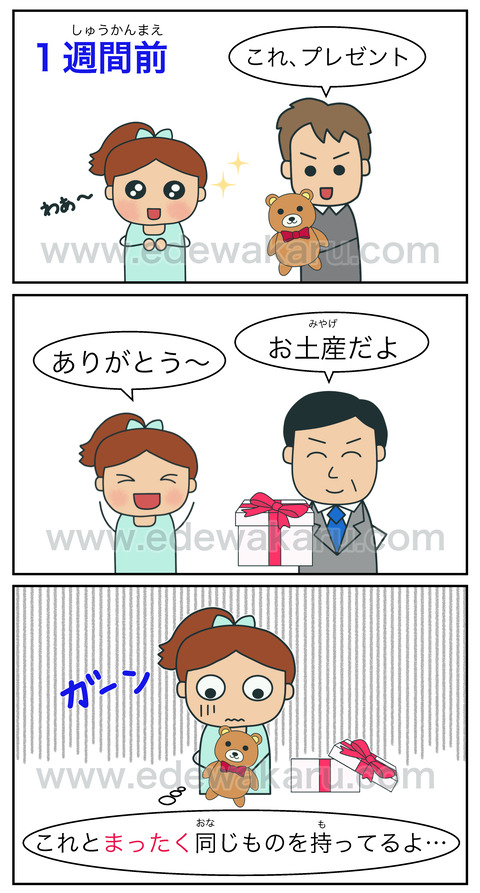
これとこれはまったく同じものです。
This and this are entirely the same.
それとこれとはまったくちがう話だ。
That and this are completely different conversations.
まったくいやな雨だなあ。
This rain is so unpleasant.
またお金わすれたの? まったくこまった人ね。
You forgot your money again? You really are impossible.
A:うっとうしい天気だね。
What miserable weather!
きのうの演奏は全くすばらしいものだった。
Yesterday’s performance was absolutely wonderful.
Read the original source text
Meaning
Used to emphasize the negative meaning. It is more formal than ぜんぜん, すこしも and ちっとも, etc. In order to intensify phrases such as 文句のつけようがない, 申し分のない, and 非の打ち所がない, etc., it is difficult to use any expression other than まったく.
B:まったくだ。
You said it!
Used to emphasize the extent of something. In example
(5)
it is used to give strong affirmation in response to what the other person has said.
How to use it
1. まったく...ない
2. まったく
日本語文型辞典
Meaning
Used to emphasize negation. It is a more formal expression than “ぜんぜん,” “少しも,” or “ちっとも.” When intensifying expressions such as “文句のつけようがない,” “申し分がない,” or “非の打ち所がない,” it is difficult to use anything other than “まったく.”
Used to emphasize degree. ⑤ is used to strongly express agreement with what the other person has said.
How to use it
まったく…ない
まったく
In context 11 examples
きのうのクラスはまったくおもしろくなかった。
Yesterday’s class was not interesting at all.
彼は家ではまったく勉強をしない。
He doesn’t study at home at all.
この一週間全く雨が降っていない。
It hasn’t rained at all this past week.
その選手のフォームは全く文句のつけようのない美しさだ。
That athlete’s form is absolutely flawless in its beauty.
そのバイオリニストのアルバムは、デビューアルバムとしては全く申し分のない出来である。
For a debut album, that violinist’s album is absolutely impeccable.
これとこれはまったく同じものです。
These two are exactly the same.
それとこれとはまったくちがう話だ。
That and this are completely different matters.
まったくいやな雨だなあ。
What an unpleasant rain this is.
またお金わすれたの?まったくこまった人ね。
Did you forget your money again? You really are a handful.
A:うっとうしい天気だね。
B:まったくだ。A: What gloomy weather. B: Absolutely.
きのうの演奏は全くすばらしいものだった。
Yesterday’s performance was truly wonderful.
Read the original source text
Meaning
否定の意味を強調するのに用いる。「ぜんぜん」「少しも」「ちっとも」などよりかたい言い方。「文句のつけようがない」「申し分がない」「非の打ち所がない」などを強めるときには「まったく」以外の表現は使いにくい。
程度を強調するのに用いる。⑤は相手の言ったことに対する肯定の気持ちを強く表すのに使う。
How to use it
まったく…ない
まったく