Bunpro Grammar Reference
Meaning
Question marker
How to use it
Verb + (の) + かい
[い]Adjective + (の) + かい
Noun + (なの) + かい
[な]Adjective + (なの) + かい
Nuance
A very casual, blunt way to ask questions, that is usually only used by men.
Explanation
The sentence ending particle かい is a grammar structure that is used in Japanese to highlight a question. Despite commonly being thought of as one word, it is actually the combination of か (the sentence-ending particle) and い, another sentence-ending particle that is primarily used by men (in a similar way to ね and よ).
かい will usually be used directly after the word or phrase that it is highlighting. In the case of verbs and い-Adjectives, の may be inserted before かい. For な-Adjectives and nouns, なの may be inserted directly before it. However, の (or なの) are frequently omitted, due to how casual かい is.
このドーナッツを食べたいのかい?
Do you want to eat this donut?
このおもちゃが欲しいのかい?
Do you want this toy?
彼女は綺麗なのかい?
Is your girlfriend pretty?
彼はいい人なのかい?
Is he a good person?
When it is not omitted, の (or なの) may be shortened to ん (or なん). This is in the same way that の and なの would behave in the のです and なのです grammar structures.
お前も一緒に行きたいんかい?
Do you also want to come with me?
大学生なんかい。中学生だと思った。
You are a college student? I thought you were a middle schooler.
Although there are some exceptions, かい will almost always be used to ask simple yes/no questions.
勉強してるのかい?
Are you studying?
Caution
Because かい is very casual, and quite direct, it often sounds like an accusation. Due to this, care should be taken with your tone of voice, so as not to be taken the wrong way.
また鍵をなくしたんかい。
You lost your keys again, didn't you?
Fun Fact
Outside of かい, the sentence ending particle い is not commonly used in modern Japanese, and therefore will only appear in a few very specific structures (like だい). Despite being similar to ね, い is considered to be fairly ぞんざい 'rough', and should only be used with people that you are very familiar with, and never to someone above you.
In context 20 examples
- 本当に行きたいのかい?
Do you really want to go?
- このドーナッツを食べたいのかい?
Do you want to eat this donut?
- 大学生なんかい。中学生だと思った。
You are a college student? I thought you were a middle schooler.
- このおもちゃが欲しいのかい?
Do you want this toy?
- 彼女は綺麗なのかい?
Is your girlfriend pretty?
- 彼はいい人なのかい?
Is he a good person?
- お前も一緒に行きたいんかい?
Do you also want to come with me?
- 勉強してるのかい?
Are you studying?
- これだけで十分なのかい?
Is just this enough?
- その帽子を被って行くのかい?
Are you really going to go wearing that hat?
- どうしたの?恥ずかしいのかい?
What's wrong? Are you embarrassed?
- この番組を見たくないのかい?
You don't want to watch this TV program?
- もう酔っている?久しぶりに飲んだのかい?
You are already drunk? Has it been a while since you've drank?
- 明日テストがあるって言ってただろう。復習しないのかい?
I said that we have a test tomorrow, right? You aren't going to review?
- 何その顔?僕が翻訳した文章が変なのかい?
What's with that face? Is the sentence I translated weird?
- 冗談で言っていたと思った。本気なのかい?
I thought you were joking. Are you being serious?
- 高いレストランに行こうと言ったのは彼なのに、払わないのかい?
He is the one that suggested that we go to an expensive restaurant, but he isn't going to pay?
- 君の口すごい匂いがするよ。歯医者に行かなくていいのかい?
Your breath really stinks. You don't need to go to the dentist?
- あの人が知らないのに、そんなことを言っていいのかい?
That person isn't in the know, so is it really okay to say something like that?
- また鍵をなくしたんかい。
You lost your keys again, didn't you?
DoJG 日本語文法辞典(全集)
Meaning
Worth; meaning; effect; result
How to use it
(i) Vinformal | 甲斐が{ある/ない} | |
| 来た甲斐がある | It is worth coming here; coming here pays off |
| 薬を飲んでいる甲斐がない | It isn’t worth taking medicine |
(ii) Nounの | 甲斐が{ある/ない} | |
| 徹夜の甲斐がある | Something is worth staying up all night for/staying up all night pays off |
| 勉強の甲斐がない | Something isn’t worth studying |
(iii) Vます | 甲斐 | |
| やり甲斐 | Meaning/worth in doing something |
(iv) Sentence1 | その甲斐があって、Sentence2 | (only その can precede 甲斐) |
| 毎日運動をした。その甲斐があって、体重がだいぶ減った。 | I exercised every day. And it was worth it; I lost quite a bit of weight |
Explanation
甲斐・かい・がい A dependent noun that means something is worth someone’s effort.
In context 12 examples
日本語をよく勉強したかいがあって、日本語関係の会社に就職することができた。
It was worth studying Japanese hard because (literally: and) I was able to get a Japan-related job.
社員一同の努力のかいがあって一時低調だった会社も上向きになった。
The combined efforts of the company employees paid off, and the company, which had been in a slump for a while, started improving.
あなたにとって生きがいとは何ですか。
What makes life worth living for you?
彼は東南アジア諸国の旅行中、毎日詳しく日記をつけておいた。そのかいがあって、日本に戻って旅行記を書く時にとても書きやすかった。
He kept a detailed diary during his trip to South East Asia. It paid off, as (literally: and) it made it easy for him to write his travelogue when he returned to Japan.
一生懸命やったかいがあって、マラソン大会ごとに順位が上がってきました。
My efforts paid off, and I finished higher in the ranking with each race.
寒い中待っていたかいがあって、見事な日の出を見ることができた。
Waiting in the cold paid off, as I was able to see a wonderful sunrise.
せっかく富士山に登ったのに頂上からは下が全然見えず、登ったかいがなかった。
I climbed Mt. Fuji with great effort, but I couldn't see anything from the summit, so it wasn't worth the climb.
弟は看病のかい(も)なく五歳の短い生涯を閉じた。
In spite of all the medical care (he received), my little brother's life ended when he was only five.
辛抱のかいがあって、運が開けた。
My perseverance paid off, and my fortunes have changed for the better.
この大学の学生はよく勉強するから、本当に教えがいがある。
The students of this college study so hard that they are really worth teaching.
私の料理をおいしく食べてくれる人がいるから、作りがいがあるのです。
Because there are people who enjoy eating my cooking, it is worth doing it.
交通事故で脚に大怪我をして、毎日リハビリに通うことになった。そのかいがあって、今では元どおり歩けるようになった。
My legs were injured in a traffic accident, and I went to the hospital for rehabilitation every day. It paid off, and now I can walk as before.
絵でわかる日本語
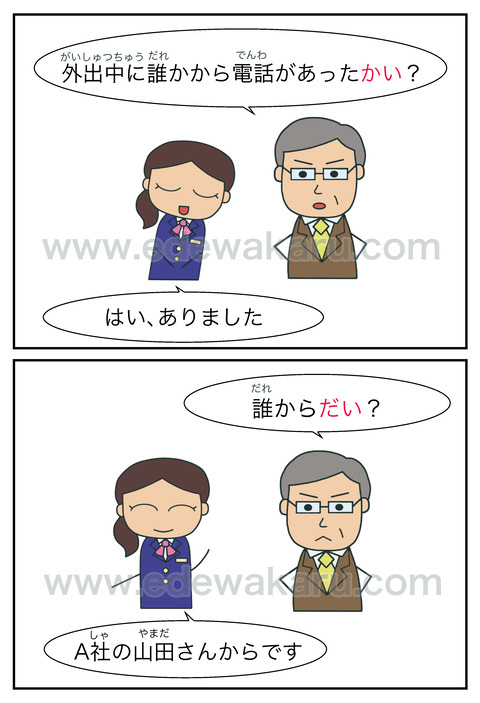
日本語文型辞典
Meaning
Attached to verbs expressing actions or nouns expressing acts, it means “the expected effect of that action is achieved; the action bears fruit.” In the negative form, it means “the effort is not rewarded / there is no such effect.”
Attached to the continuative form of a verb, it indicates that the action is worthwhile, effective, or rewarded. Only a limited number of verbs take it. In cases such as ④ and ⑤, where completing the action is difficult or requires effort, it means that there is value or meaning in going through that trouble.
How to use it
かいが ある/ない
Nのかいが ある/ない
V-たかいが ある/ない
R-がい
In context 9 examples
努力したかい(が)あって、無事合格することができた。
Thanks to my efforts, I was able to pass safely.
コンクールで優勝できるなんて、一日も休まず練習したかいがあったね。
Winning the competition makes all that practice without taking even a single day off worthwhile.
警官の懸命の説得のかいもなく、その男性は警官の顔をしばらくじっと見つめた後、崖上から飛び降りてしまったという。
They say that despite the police officer's desperate efforts to persuade him, the man stared at the officer's face for a while and then jumped off the cliff.
今になってまったく違う意見を主表されたのでは、せっかくみんなが歩み寄って意見を調整したかいがなくなるじゃないか。
If completely different opinions are suddenly put forward now, all the effort everyone made to compromise and reconcile their views will have been for nothing, won't it?
やりがいのある仕事を求めて転職する。
I'm changing jobs in search of work that feels worthwhile.
仕事のほかに生きがいを見出せないような人生ではあまりにも寂しいではないか。
Isn't a life in which one can find no reason to live apart from work far too lonely?
もっと働きがいのある職場に移りたいと思うが、この不況では転職もなかなかむずかしそうだ。
I want to move to a workplace where the work is more rewarding, but with this recession, changing jobs seems quite difficult.
こんなに喜んでもらえるのだったら、料理のしがいがある。
If they're this happy with it, then cooking for them is worthwhile.
一度失われた森林を元に戻すのは大変なことではあるが、そこに住む人たちの暮らしもかかっているだけに、苦労のしがいもあるというものだ。
Restoring a forest once lost is a difficult task, but since the lives of the people who live there are at stake too, it is certainly a struggle worth making.
Read the original source text
Meaning
動作を表す動詞や行為を表す名詞に付いて、「その行為から期待される効果がある、その行為が報われる」という意味を表す。否定形では「努力が報われない/その効果がない」という意味になる。
動詞の連用形に付いて、その動作に価値がある、効果がある、報われることを表す。付く動詞は限られている。④⑤のように動作を達成することがむずかしかったり労力を必要としたりするような場合には、そういう苦労をすることに価値・意味があるという意味になる。
How to use it
かいが ある/ない
Nのかいが ある/ない
V-たかいが ある/ない
R-がい
日本語文型辞典 英語版
Meaning
Follows a verb or noun expressing an action and indicates that the action has been rewarded or the anticipated effect of the action has been achieved. When the negative form is used, it means that there was no reward despite the effort, or no result from the action.
Attaches to a verb stem and means that an action has value or is effective or rewarding. It is used with only a limited range of verbs. When the action is difficult to accomplish or requires great effort, as in
(4)
and
(5)
, it indicates that the effort is worthwhile and meaningful.
How to use it
1. かいが ある/ない[Nのかいが ある/ない][V-たかいが ある/ない]
2. R-がい
In context 9 examples
努力したかい(が)あって、無事合格することができた。
As a result of all the effort I put in, I was able to pass the exam.
コンクールで優勝できるなんて、一日も休まず練習したかいがあったね。
The fact that we won the competition shows that practicing every single day was worth it.
警官の懸命の説得のかいもなく、その男性は警官の顔をしばらくじっと見つめた後、屋上から飛び降りてしまったという。
All the policeman’s earnest persuasion was to no avail. They say the man stared at him for a while and then jumped off the roof.
今になってまったく違う意見を主張されたのでは、せっかくみんなが歩み寄って意見を調整したかいがなくなるじゃないか。
If you’re going to assert a completely different opinion now, it will mean the trouble everyone took to make concessions and coordinate their opinions was really all for nothing.
やりがいのある仕事を求めて転職する。
I want to find some work with a purpose, so I am changing jobs.
仕事のほかに生きがいを見出せないような人生ではあまりにも寂しいではないか。
If you can’t find a reason to live other than your work, it is so sad, isn’t it.
もっと働きがいのある職場に移りたいと思うが、この不況では転職もなかなかむずかしそうだ。
I’d like to move to a workplace with a more rewarding job, but it seems pretty difficult to change jobs in this recession.
こんなに喜んでもらえるのだったら、料理のしがいがある。
If it makes you this happy, then cooking is worth it.
一度失われた森林を元に戻すのは大変なことではあるが、そこに住む人たちの暮らしもかかっているだけに、苦労のしがいもあるというものだ。
It is hard to restore forestland once lost, but the people living there depend on it for their livelihoods, so it is well worth the trouble.
Read the original source text
Meaning
Follows a verb or noun expressing an action and indicates that the action has been rewarded or the anticipated effect of the action has been achieved. When the negative form is used, it means that there was no reward despite the effort, or no result from the action.
Attaches to a verb stem and means that an action has value or is effective or rewarding. It is used with only a limited range of verbs. When the action is difficult to accomplish or requires great effort, as in
(4)
and
(5)
, it indicates that the effort is worthwhile and meaningful.
How to use it
1. かいが ある/ない[Nのかいが ある/ない][V-たかいが ある/ない]
2. R-がい
毎日のんびり日本語教師
How to use it
Verbます-form + 甲斐(がい)
Explanation
It takes the forms 「~甲斐がある」 and 「~甲斐がない」 and expresses that something has or lacks value or meaning.
「甲斐」 is normally read as 「かい」, but when it connects to a verbます-form, it is read as 「がい」.
Notes
Related grammar: 「【N2文法】~甲斐がある/~甲斐があって/~甲斐がない/~甲斐もなく」
In context 6 examples
マラソンは私の生き甲斐だ。
Marathons are my reason for living.
この仕事はやりがいがある。
This job is rewarding.
彼は小食で料理のし甲斐がない。(他食量小到觉得不值得做一顿饭。)
He eats very little, so it’s not worth cooking for him. (He eats so little that it doesn’t feel worth making a meal.)
相手が強くなきゃ倒しがいがない。
If your opponent isn’t strong, there’s no satisfaction in beating them.
結果が見えないと頑張りがいがない。
If I can’t see the results, there’s no point in working hard.
始めは下手くそだったので、よくピアノの先生から「教え甲斐がある」と言われていた。
When I first started, I was terrible, so my piano teacher often used to say, “You’re worth teaching.”
Read the original source text
How to use it
動ます形+甲斐(がい)
Explanation
「~甲斐がある」「~甲斐がない」の形を取り、価値や意味があることを表します。
「甲斐」は本来「かい」と読みますが、動ます形と接続するときは「がい」と読みます。
Notes
関連文法「【N2文法】~甲斐がある/~甲斐があって/~甲斐がない/~甲斐もなく」
Yokubi — The Common Grammar Guide (https://yoku.bi)
Explanation
っけ is used when the speaker has forgotten something or is trying to recall something they once knew. It is usually, although not exclusively, used as a question directed to oneself.
っけ is almost never used with non-nouns except in the past tense. When it is, other stuff (like explanatory んだ) is usually put in between.
Similar to っけ, there is also かな. It is usually pronounced with a rising intonation as a question, but just like っけ it is a self-directed one. It simply means the speaker is wondering or unsure or hesitant about something, similar to "I wonder" in English. Needless to say it comes from the union of the question particle か and the sentence ending particle な.
It often comes after the volitional form of a verb to indicate that the speaker is about to decide to do something.
かい is a "friendly" question marker, especially for masculine speakers. Outside of familiar conversation, it can come across as rude/too direct. It's not as common in real life as it is in media. In standard usage, it can only be used to ask yes/no questions.
Parallel to かい, there is also だい. The vibes are pretty much the same, but unlike かい, だい is used to ask questions that expect an actual answer.
じゃない can also be used to ask confirmation questions. Yes, when attached to nouns, it's identical to normal "is not". No, there's no way around it. If you are lucky, there will be a question mark after it.
Note how adding a copula after verbs and い adjectives is technically incorrect but this type of じゃない lives on its own and can show up after them. It's not negating the predicate, it's just adding a negative question nuance ("isn't it?") and behaves like a sentence-ending particle.
じゃん is a casual contraction of じゃない.
In context 1 examples
お嬢ちゃん、大丈夫かい?
Young lady, are you alright?