AIUEO JLPT Grammar
Meaning
This sentence pattern expresses that the speaker has strong emotions or evaluations regarding a particular matter or situation. It is used when the speaker wishes to reflect deeply or emphasize subjective judgment.
How to use it
Verb + ものがある; adjective + ものがある; na-adjective + な + ものがある
In context 5 examples
彼のスピーチには、心を打つものがあった。
There was something deeply moving about his speech.
彼の言い方には、納得できないものがある。
There is something unacceptable about the way he said it.
この計画には、成功の可能性を感じさせるものがあります。
There is something about this plan that suggests a potential for success.
彼の成長には目を見張るものがある。
His growth is remarkable.
彼女の微笑みには、癒されるものがあるんです。
There is something healing about her smile.
Read the original source text
Meaning
This sentence pattern expresses that the speaker has strong emotions or evaluations regarding a particular matter or situation. It is used when the speaker wishes to reflect deeply or emphasize subjective judgment.
How to use it
動詞+ものがある形容詞+ものがある形容動詞な+ものがある
Explanation · 日本語
この文型は、話し手がある物事や状況に対して、強い感情や評価を持っていることを表す表現です。特定の状況や性質について感慨深く述べたいときや、主観的な判断を強調したいときに使われます。
文法
Meaning
To feel somehow that something is so.
How to use it
V (dictionary form) + ものがある
い-adjective + ものがある
な-adjective + ものがある
Notes
Words expressing emotions often come before 「ものがある」.
In context 5 examples
その男の証言には、どこか不自然なものがあった。
There was something somewhat unnatural about that man’s testimony.
プロの演奏を聞いて、何か心に響くものがあった。
Listening to a professional performance, something resonated in my heart.
ジョンさんの日本語の上達の速さには、驚くべきものがある。
There is something astonishing about how quickly Tom is improving his Japanese.
今回の地震による被害はひどいものがある。
The damage caused by this earthquake is terrible.
増税や年金問題などのニュースを見ると、正直辛いものがある。
When I watch news about tax increases and pension issues, honestly, it gets me down.
Read the original source text
Meaning
なんとなく〜だと感じられる。
How to use it
V(辞書形) + ものがある
イAい + ものがある
ナAな + ものがある
Notes
「ものがある」の前には感情を表す言葉が来ることが多い
Bunpro Grammar Reference
Meaning
Strong judgement, There is something, Feel strongly that
How to use it
Verb + ものがある
[い]Adjective + ものがある
[な]Adjective + な +ものがある
Verb + ものがあります
[い]Adjective + ものがあります
[な]Adjective + な +ものがあります
Nuance
A structure showing that (A) is definitely a thing that exists, or felt strongly about.
Explanation
ものがある is an interesting grammar structure in Japanese that is used to declare that something has a particular trait of (A), according to the speaker's subjective opinion. Often, ものがある is translated as 'I feel strongly that (A)', or 'there is something (A) about (B)'. The latter meaning is very close to the literal translation here, as もの 'thing', がある 'there is' implies that the speaker strongly senses the presence of (A) within (B), even if they themselves cannot figure out why they feel that way.
ものがある is primarily seen following verbs in either their dictionary or negated forms, い-Adjectives, or な-Adjectives followed by な.
この映画は人の心を動かすものがある。
This film has something that moves people's hearts.
彼の話には納得いかないものがある。
There is something about his story that I don't agree with.
自分が好きなことを仕事にできるのは、嬉しいものがある。
There is something delightful about being able to do what you love for a living.
子供だけで川で遊ばせるのは、危険なものがある。
There is something dangerous about letting children play in the river alone.
As ものがある emphasizes the existence of (A) within (B), it is very common for the emphasized には to also be used in place of に when highlighting the topic.
Caution
Although 'I feel strongly that (A)' is a common interpretation of ものがある, it is important to remember that the actual thing that is generating that feeling within the speaker may either be very strong, or very weak. In other words, ものがある may be used even when something isn't obvious about (A), so long as the speaker themselves feel strongly about it.
Fun-fact
目を見張るものがある is a set phrase that is a combination of 目を見張る 'to be astonished', and ものがある. In most cases, this expression just means that (B) is extremely surprising or impressive.
彼の運動神経の良さは目を見張るものがある。
His athleticism is remarkable.
In context 17 examples
- モナリザには、神秘的なものがあるよ。
I feel strongly that that (the) Mona Lisa is mysterious.
- この映画は人の心を動かすものがある。
This film has something that moves people's hearts.
- 彼の話には納得いかないものがある。
There is something about his story that I don't agree with.
- 自分が好きなことを仕事にできるのは、嬉しいものがある。
There is something delightful about being able to do what you love for a living.
- 子供だけで川で遊ばせるのは、危険なものがある。
There is something dangerous about letting children play in the river alone.
- 文房具には魅力的なものがある。
I feel strongly that stationery is fascinating.
- この絵って、うまく説明できないけどすばらしいものがあるよ。
I can't explain well, but this painting gives me a strong feeling of amazement.
- 彼の遺した言葉には考えさせられるものがあった。
I felt strongly that his last words were inspiring.
- 売店には全然売れないものがある。
For a shop, there are things that doesn't sell well at all.
- あの店には、派手好きにはたまらないものがある。
I can't help but feel strongly that that store is attention-seeking.
- こちらのお店のメニューには、人を引き付けるものがある。
I feel strongly that this restaurant's menu will bring in people.
- 君の俳句にはなんとも言えないものがある。
(I feel strongly that) there is something about your haiku that words cannot describe.
- あの商品には、単なる流行とは言えないものがある。
I feel strongly that those goods can't be called a simple fad.
- 方言には同じ日本語とは思えないものがある。
For a dialect, I feel strongly that one could think that it is not even Japanese.
- 日本の伝統芸能には、心を動かすものがある。
In Japanese traditional art, there is something that really moves your heart.
- 美味しいものを食べるため、寒い中行列に並ぶのはつらいものがある。
It is very hard to stand in line in the bitter cold, just to eat something delicious. (strong judgment)
- 彼の運動神経の良さは目を見張るものがある。
His athleticism is remarkable.
どんなときどう使う 日本語表現文型辞典
Meaning
(deep emotion, enthusiasm) very; somehow feel
How to use it
[plain form] (ナAな) + ものがある (Only the present form is used. There are no examples of it following N.)
Explanation
とても~だ/なんとなく~感じる
1)「~ものがある」の形で、話者がある事実から感じたことや物事の特徴を表現するときに感情をもって言う表現。
2)「~」には話者の感情を表す言葉が来ることが多い。
1)Emotionally expresses speaker's feelings when discussing something felt about fact or characteristics of some matter.
2)Often words expressing speaker's feelings precede pattern.
In context 3 examples
中学校の古い校舎が取り壊されるそうだ。思い出の校舎なので、わたしにとって残念なものがある。
I hear the old junior high school building is going to be torn down. Since it holds memories for me, I feel a real sense of regret.
10年前に友人と共同で書いた本が今でも使われていることには感慨深いものがある。
There's something deeply moving about the fact that a book I co-wrote with a friend ten years ago is still being used.
あの若さであのテクニック! 彼の演奏にはすごいものがある。
That technique at such a young age! There's something incredible about his performance.
Read the original source text
Meaning
(deep emotion, enthusiasm) very; somehow feel
How to use it
〔普通形〕(ナAな)+ものがある(現在形だけ。Nにつく例はない)
Explanation
とても~だ/なんとなく~感じる
1)「~ものがある」の形で、話者がある事実から感じたことや物事の特徴を表現するときに感情をもって言う表現。
2)「~」には話者の感情を表す言葉が来ることが多い。
1)Emotionally expresses speaker's feelings when discussing something felt about fact or characteristics of some matter.
2)Often words expressing speaker's feelings precede pattern.
絵でわかる日本語
Meaning
It feels like ~
Have a feeling of ~
Have the characteristic of ~
How to use it
Verb [dictionary form]+ものがある
Verb [ない-form]+ものがある
い-adjective [without ーい]+ものがある
な-adjective [without ーな]+ものがある
Explanation
“〜ものがある” is a sentence pattern meaning “I have the feeling that…” or “I feel that…”.
It is used when you want to express feelings or emotions, and can be used both when you feel something very strongly and when you feel it to some extent. 😮 In example ⑤, “目を見張る” is an idiom, and “目を見張るものがある” is an idiomatic expression, so remember it as a set phrase. 😉
“目を見張るものがある”
[Meaning]
To be very surprised
To be very impressed
“〜ものがある” is often used in the forms:
“〜には〜ものがある” and “〜のは〜ものがある.”
There are many sentence patterns that include “もの,” so be sure to distinguish them and remember them well. 😀
(Review: “〇〇 Series” list)
[“もの” Series]
〜たいものだ・〜てほしいものだ
〜たものだ
〜たものではない
〜というもの(Nというもの)
〜ないものだろうか
〜ないものは〜ない
〜もの・〜んだもの
〜ものか
〜ものがある
〜ものだ(感慨)
〜ものだ(本来の性質・一般的な考え方)
〜ものだ・〜ものではない
〜もので・〜ものだから
〜ものと思っていた
〜ものなら
〜ものの
〜ものを
〜ようものなら
In context 5 examples
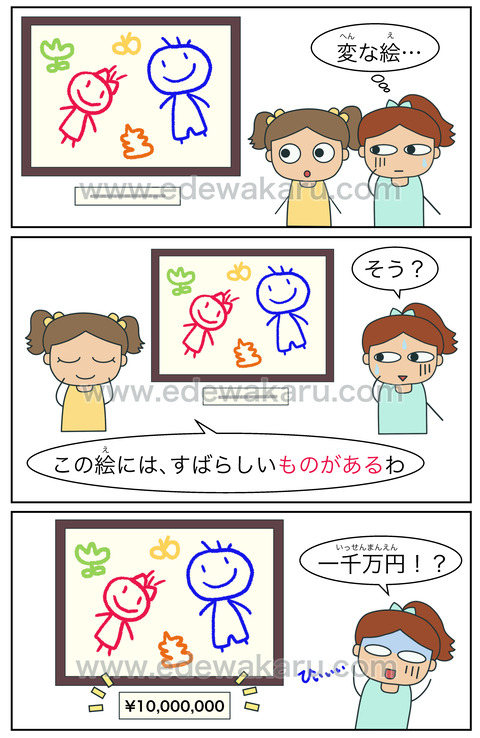
この絵にはすばらしいものがある
→この絵はとてもすばらしいと感じるThis painting has something wonderful about it. → I feel that this painting is very wonderful.
家に帰っても誰もいないのは、寂しいものがある
→家に帰っても誰もいないのは、少し寂しいと感じるIt has something lonely about coming home and finding no one there. → I feel a little lonely when I come home and no one is there.
今日中にレポートを書き上げなければいけないのは、つらいものがある
→今日中にレポートを書き上げなければいけないのは、つらいと感じる(復習:〜中に)Having to finish writing the report today is hard to bear. → I feel that it is hard to have to finish writing the report today. (Review: 〜中に)
彼のスピーチには、人を感動させるものがある
→彼のスピーチは、すごく人を感動させると感じるHis speech has something that moves people. → I feel that his speech moves people very deeply.
彼女の日本語の上達ぶりには目を見張るものがある
→彼女の日本語の上達ぶりは、すごく驚く(復習:〜ぶり・〜っぷり)There is something astonishing about how much her Japanese has improved. → Her progress in Japanese is truly surprising. (Review: 〜ぶり・〜っぷり)
Read the original source text
Meaning
〜という感じがする
〜と感じる
〜という特徴を持っている
How to use it
動詞[辞書形]+ものがある
動詞[ない形]+ものがある
い形容詞[ーい]+ものがある
な形容詞[ーな]+ものがある
Explanation
「〜ものがある」は「〜という感じがする」 「〜と感じる」という意味の文型です。
これは気持ちや感情を表したい時に使われる文型で、
「すごく〜と感じる」「少し〜と感じる」
と、どちらの場合も使うことができます😮例文⑤の
「目を見張る」は慣用句で、「目を見張るものがある」は慣用的表現(かんようてきひょうげん)ですので、そのまま覚えておきましょう
😉
「目を見張るものがある」
[意味]
すごく驚く
すごく感心する
「〜ものがある」はよく、
「〜には〜ものがある」「〜のは〜ものがある」
の形で使われます。「もの」がつく文型はたくさんありますので、しっかりと区別をして覚えておきましょう😀
(復習:「〇〇シリーズリスト」)
【「もの」シリーズ】
〜たいものだ・〜てほしいものだ
〜たものだ
〜たものではない
〜というもの(Nというもの)
〜ないものだろうか
〜ないものは〜ない
〜もの・〜んだもの
〜ものか
〜ものがある
〜ものだ(感慨)
〜ものだ(本来の性質・一般的な考え方)
〜ものだ・〜ものではない
〜もので・〜ものだから
〜ものと思っていた
〜ものなら
〜ものの
〜ものを
〜ようものなら
日本語文型辞典
Meaning
Basic information: Na-なものがある A-いものがある V-るものがある
Means that a certain characteristic can be seen. 「見るべきもの」 in ④ means “an excellent aspect worth seeing.” 「見られる」 and 「認められる」 can also be used instead of 「ある」.
Example sentences
① This work has a strikingly original concept.
② His potential is remarkable.
③ This piece of writing is still very immature, but here and there it has a glimmer of brilliance.
④ Her proposal was ultimately not accepted, but it has several points worth noting.
Example
(Example) This piece of writing is still very immature, but here and there a glimmer of brilliance can be seen.
Explanation: Written style.
Read the original source text
Meaning
基本情報Na-なものがあるA-いものがあるV-るものがある説明ある特徴が見られるという意味。④の「見るべきもの」は「見る価値のある優れた点」という意味。「ある」の代わりに「見られる」「認められる」なども使われる。例文① この作品は発想に斬新なものがある。② 彼の潜在能力にはすばらしいものがある。③ この文章はまだまだ未熟だが、しかし随所にキラリと光るものがある。④ 彼女の企画書は結局通らなかったが、いくつかの点で見るべきものがある。例文(例) この文章はまだまだ未熟だが、しかし随所にキラリと光るものが見られる。説明書きことば的。
日本語文型辞典 英語版
Meaning
【ものがある】[Na なものがある][A-いものがある][V-るものがある]
Means that certain characteristics are evident. The 見るべきもの in example
(4)
means “excellent points that are notable.” In place of ある, forms such as 見られる and 認められる can also be used.
(例)この文章はまだまだ未熟だが、しかし随所にキラリと光るものが見られる。
This composition is still not polished, but you can see flashes of brilliance everywhere.
Has the tone of written language.
In context 4 examples
この作品は発想に斬新なものがある。
There is an originality of conception to this work.
彼の潜在能力にはすばらしいものがある。
He has wonderful potential.
この文章はまだまだ未熟だが、しかし随所にキラリと光るものがある。
This composition is still not polished, but there are flashes of brilliance everywhere.
彼女の企画書は結局通らなかったが、いくつかの点で見るべきものがある。
In the end, her (business) proposal was not accepted, but there were some points that were commendable.
くらべてわかる日本語表現文型辞典
Meaning
There is some aspect that has value or meaning A.
How to use it
Aものがある (Aだけのものがある)
[Verb—dictionary form] ものがある
[Verb—ない form] ものがある
[Verb—dictionary form] + だけの + ものがある
[Verb—た form] + だけ + のものがある
In context 4 examples
彼女の成長ぶりには、目を見張るものがある。
Her growth is truly remarkable.
「この仕事、明日までにしなきゃならないんだって。」
「え〜!ちょっと、きついものがあるなあ。」“I hear this work has to be done by tomorrow.” “Ugh! That's a bit much to handle.”
医学の進歩のためとはいえ、実験用動物の姿には哀れなものがある。
Even though it's for the advancement of medicine, there is something pitiful about the sight of animals used for experiments.
この物語には多くの人に愛されてきただけのものがある。
This story has something that explains why it has been loved by so many people.
Read the original source text
Meaning
Aという価値や意味を表す部分がある。
How to use it
Aものがある(Aだけのものがある)
[動詞-る形]ものがある
[動詞-ない形]ものがある
[動詞-る形]+だけの+ものがある
[動詞-た形]+だけ+のものがある
日本語NET JLPT文法解説まとめ
Meaning
To feel somehow that something is so.
How to use it
V (dictionary form) + ものがある
い-adjective + ものがある
な-adjective + ものがある
Explanation
Words expressing emotions often come before 「ものがある」.
In context 6 examples
みんながJLPTの試験に受かるとは限らないので、毎回、学生にテストの結果を聞くのは辛いものがある。
Since not everyone passes the JLPT, asking the students about their test results every time is painful.
その男の証言には、どこか不自然なものがあった。
There was something somewhat unnatural about that man’s testimony.
プロの演奏を聞いて、何か心に響くものがあった。
Listening to a professional performance, something resonated in my heart.
ジョンさんの日本語の上達の速さには、驚くべきものがある。
There is something astonishing about how quickly Tom is improving his Japanese.
今回の地震による被害はひどいものがある。
The damage caused by this earthquake is terrible.
増税や年金問題などのニュースを見ると、正直辛いものがある。
When I watch news about tax increases and pension issues, honestly, it gets me down.
Read the original source text
Meaning
なんとなく〜だと感じられる。
How to use it
V(辞書形) + ものがある
イAい + ものがある
ナAな + ものがある
Explanation
「ものがある」の前には感情を表す言葉が来ることが多い
毎日のんびり日本語教師
How to use it
Verb (plain form) + ものがある
な-adjective stem + な + ものがある
い-adjective base form + ものがある
Explanation
It is used in forms such as「AにはBものがある」and「AのはBものがある」. In these, B expresses a quality or attribute that A has. This is an objective expression.
Notes
Nothing in particular.
In context 10 examples
彼女の人気は根強いものがある。(她的人气根深蒂固。)
Her popularity has a certain staying power. (Her popularity is deeply rooted.)
10kmも走るのは辛いものがある。
Running as much as 10 kilometers is quite grueling.
彼の行動には目に余るものがある。(他的行动令人看不下去。)
There is something excessive about his behavior. (His behavior is hard to watch.)
A社の技術には目を見張るものがある。
Company A’s technology is truly remarkable.
この仕事はある程度の経験がないと厳しいものがある。
This job can be quite demanding unless you have some experience.
彼女の演技には、人の心を動かすものがある。
There is something about her acting that moves people’s hearts.
将来を想像するだけでつらいものがある。
Just imagining the future is quite painful.
彼の言葉には、心に突き刺さるものがある。
There is something about his words that pierces the heart.
この映画には何やら感慨深いものがある。
There is something rather moving about this film.
動物の眼には、人間の眼と機能が大きく異なるものがある。(动物的眼睛和人的眼睛的功能有很大不同。)
Some animals’ eyes have functions that differ greatly from those of human eyes. (The functions of animal eyes differ greatly from those of human eyes.)
Read the original source text
How to use it
動詞普通形+ものがある
な形容詞語幹+な+ものがある
い形容詞原形+ものがある
Explanation
「AにはBものがある」「AのはBものがある」などの形で用いられます。この時、Aの中にある性質や属性をBで表します。客観的な表現です。
Notes
特になし