文法
Meaning
Whether ~ / I wonder if ~
How to use it
V (plain form) + のやら
いA (plain form) + のやら
ナAな + のやら
Nな + のやら
Notes
Conveys the speaker's doubt or exasperation.
An old-fashioned expression that young people hardly ever use.
In context 4 examples
全く、もうすぐ受験だというのに、うちの息子は何を考えているのやら。落ちても知らないよ。
Honestly, even though the entrance exams are coming up soon, I wonder what our son is thinking. Don't come crying to me if you fail.
どうして、ほとんど白紙なのに作文を提出しようと思ったのやら。もちろん書き直しよ。
Why did you think you could submit an essay that's almost completely blank? Of course you have to rewrite it.
いい歳して、働いていないなんて何をしているのやら。
At his age, what on earth is he doing not working?
ひろし、朝から出かけたきり、帰って来ないね。まったく、どこへ行ったのやら。
Hiroshi went out this morning and still hasn't come back. Honestly, where did he go, I wonder?
Read the original source text
Meaning
〜のか / 〜のだろうか
How to use it
V(普通形) + のやら
イA(普通形)+ のやら
ナAな + のやら
Nな + のやら
Notes
話し手の疑問や呆れた気持ちがある。
古い表現で若い人が使うことはほとんどない。
絵でわかる日本語
Meaning
whether ~ or ~
How to use it
Verb・adjective [plain form] +のやら〜のやら
Noun [ーな] +のやら〜のやら
Explanation
「〜のやら〜のやら」 is a sentence pattern used to mean “whether ~ or ~, I don’t know.” It emphasizes the feeling of not knowing which one it is 😀 It is often used when the speaker wants to say that they cannot decide. As in example ③, the part meaning “I don’t know” can be omitted 😮
There are several patterns that use 「〜やら」, so if you are taking N1, review them 😉
・〜やら〜やら (Review: 〜やら〜やら)
・〜とやら (Review: differences among 「と」「とか」「とやら」)
In context 3 examples
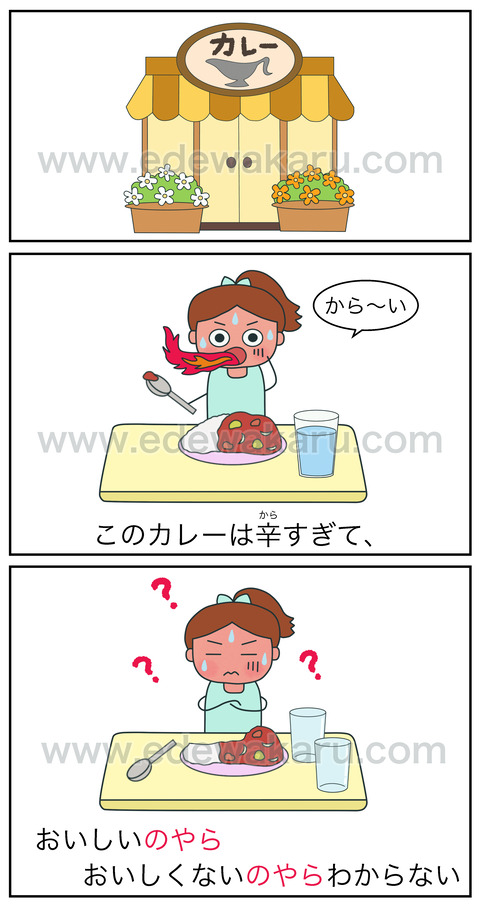
このカレーは辛すぎて、おいしいのやらおいしくないのやらわからない
→このカレーは辛すぎて、おいしいのかおいしくないのかわからないThis curry is so spicy that I can’t tell whether it tastes good or bad. →This curry is so spicy that I don’t know whether it tastes good or not.
彼はパーティーに行くのやら行かないのやらはっきりしない
→彼はパーティーに行くのか行かないのかはっきりしないIt’s unclear whether he is going to the party or not. →It’s unclear whether he is going to the party or not.
彼女は電車に間に合ったのやら間に合わなかったのやら…
→彼女は電車に間に合ったのか間に合わなかったのか…I wonder whether she made the train or missed it… →I wonder whether she made the train or missed it…
Read the original source text
Meaning
〜か〜か
How to use it
動詞・形容詞[普通形]+のやら〜のやら
名詞[ーな]+のやら〜のやら
Explanation
「〜のやら〜のやら」は「〜か〜かわからない」という意味で使用される文型です。「どちらなのかわからない」という気持ちを強調する文型です😀話し手が判断できないと言いたい場合によく使われます。例文③のように「
わからない」という部分を省略して言うこともできます
😮
「〜やら」を使う文型はいくつかありますので、N1を受ける人は復習をしておいてください😉
・〜やら〜やら(復習:〜やら〜やら)
・〜とやら(復習:「と」「とか」「とやら」違い)
日本語NET JLPT文法解説まとめ
Meaning
Whether ~ / I wonder if ~
How to use it
V (plain form) + のやら
いA (plain form) + のやら
ナAな + のやら
Nな + のやら
Explanation
① It expresses the speaker's doubt or exasperation.
② It is an old expression that is rarely used by young people today.
① It expresses the speaker's doubt or exasperation.
② It is an old expression that is rarely used by young people today.
Read the original source text
Meaning
〜のか / 〜のだろうか
How to use it
V(普通形) + のやら
イA(普通形)+ のやら
ナAな + のやら
Nな + のやら
Explanation
① 話し手の疑問や呆れた気持ちがある。
② 古い表現で若い人が使うことはほとんどない。
① It expresses the speaker's doubt or exasperation.
② It is an old expression that is rarely used by young people today.
NINJAL 日本語文型データベース
Meaning
Means not knowing what, when, or where something will happen. Used when the speaker asks themselves about something they are wondering about, or when they feel somewhat exasperated.
How to use it
N(疑問詞(+助詞))V1普通形+のやらV2ない
Notes
Used together with question words such as “what,” “when,” or “where.”
Expressions such as “わからない” (“I don’t know”) or “見当もつかない” (“I have no idea”) may follow “〜のやら,” but they can often be omitted.
In context 5 examples
まだ新しいものなのに、どこで買ったのやら全然思い出せない。
Even though it’s still new, I can’t remember at all where I bought it.
昨日は居酒屋で飲んでいて、飲みすぎてしまった。どうやって家に帰ったのやら全く覚えていない。
I was drinking at an izakaya yesterday and drank too much. I have no idea how I got home; I can’t remember at all.
どこかで会ったことがある人だが、どこで会ったのやら。すっかり忘れてしまった。
It’s someone I’ve met somewhere before, but where was it? I’ve completely forgotten.
反抗期の息子が何を考えているのやら、私にはさっぱりわからない。
I have absolutely no idea what my rebellious teenage son is thinking.
親「もう10時。さとみはどこにいて何をしているのやら」
Parent: “It’s already ten. I wonder where Satomi is and what she’s doing.”
Read the original source text
Meaning
何を・いつ・どこで/に〜かわからないと言う意味を表します。話し手が疑問に思ったことを自分自身に問いかけたり、少しあきれた気持ちがあるときに使います。
How to use it
N(疑問詞(+助詞))V1普通形+のやらV2ない
Notes
「何・いつ・どこ」など疑問詞と一緒に使います。
「〜のやら」の後に「わからない・見当もつかない」などの表現が来ることがありますが、このような表現は省略できることが多いです。