絵でわかる日本語
Meaning
(with a feeling of dissatisfaction) even though 〜
How to use it
Verb・adjective・noun [plain form] + くせに
Verb・adjective・noun [plain form] + くせして
*The present affirmative form of な-adjectives becomes “ーなくせに,” and the present affirmative form of nouns becomes “ーのくせに”
(e.g., バカなくせに・学生のくせに)
Explanation
“〜くせに・〜くせして” is used when you want to say “〜のに” (“even though”) with a feeling of dissatisfaction 😊 “〜のに” expresses feelings such as regret or disappointment, but using “〜くせに・〜くせして” can emphasize criticism, dissatisfaction, or contempt 😮 “〜くせに” and “〜くせして” have the same meaning. It can also be used as “〜くせに…” as in example ① 😉
[Points to note when using “〜くせに”]
① Used for negative things.
② Used for people (and can sometimes be used for animals).
❌ My house is far from the station, even though the rent is high.
⭕️ My house is far from the station, even though the rent is high. [Use のに.]
③ It cannot be used when the subjects are different.
❌ Even though my wife works desperately, my husband does nothing but play every day.
⭕️ Even though my wife works desperately, my husband does nothing but play every day. [Use のに.]
“〜くせに・〜くせして” is often used in conversation, so make sure to learn it and work toward using it naturally 😉
In context 4 examples
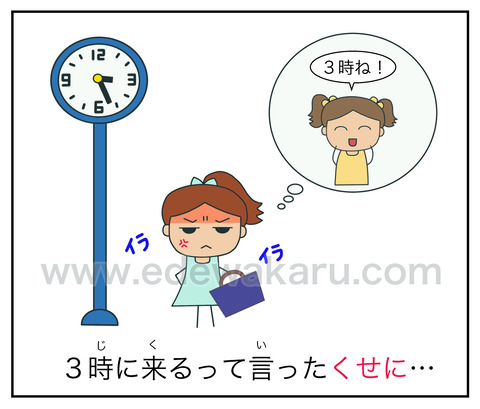
3時に来るって言ったくせに…(復習:口語形「〜って」)
→3時に来るって言ったのに…Even though you said you’d come at three… (Review: colloquial form “〜って”) →Even though you said you’d come at three…
彼女はお金持ちのくせにケチだ
→彼女はお金持ちなのにケチだShe’s stingy even though she’s rich. →She’s stingy even though she’s rich.
本当は知っているくせに教えてくれない
→本当は知っているのに教えてくれないYou actually know, yet you won’t tell me. →You actually know, yet you won’t tell me.
彼は歌が下手なくせして、いつもカラオケに行きたがる(復習:〜がる・〜たがる)
→彼は歌が下手なのにいつもカラオケに行きたがるEven though he’s bad at singing, he always wants to go to karaoke. (Review: 〜がる・〜たがる) →Even though he’s bad at singing, he always wants to go to karaoke.
Read the original source text
Meaning
(不満の気持ちを入れて)〜のに
How to use it
動詞・形容詞・名詞[普通形]+くせに
動詞・形容詞・名詞[普通形]+くせして
*な形容詞の現在肯定形は「ーなくせに」、名詞の現在肯定形は「ーのくせに」となる
(例:バカなくせに・学生のくせに)
Explanation
「〜くせに・〜くせして」は不満の気持ちを入れて「〜のに」と言いたい時に使用される文型です
😊「〜のに」は
残念・失望
などの気持ちを表しますが、「〜くせに・〜くせして」を使ったほうが
非難
や
不満、
軽蔑
の気持ちを強調することができます😮「〜くせに」と「〜くせして」は同じ意味です。また、例文①のように「〜くせに…。」という使い方もできます😉
【「〜くせに」を使う時の注意点】
①
マイナスのことに使う
②
人に使う(動物であればOKな場合もある)
❌私の家は、家賃が高い
くせに
駅から遠い
⭕️私の家は、家賃が高い
のに
駅から遠い
③主語が違う場合には使えない
❌妻が必死で働いている
くせに、夫は毎日遊んでばかりいる
⭕️妻が必死で働いている
のに、夫は毎日遊んでばかりいる
「〜くせに・〜くせして」は会話でもよく使いますので、しっかりと覚えて自然に使えるように頑張りましょう😉
NINJAL 日本語文型データベース
Meaning
Used to criticize the listener or a third party for being in a situation that differs from what one would expect based on “〜.” It expresses contempt, blame, or criticism toward “〜.”
How to use it
V ordinary form+くせして
i-A ordinary form+くせして
na-A ordinary form+くせして (however, “na-Aだ” → “na-Aな+くせして”)
N ordinary form+くせして (however, “Nだ” → “Nの+くせして”)
Notes
The subject of the “〜” clause and the clause after “〜くせして” is the same.
It is generally not used about the speaker themself.
After “〜くせして,” a sentence expressing the speaker’s hope or intention, or one urging the listener to do something, does not follow.
In context 19 examples
あの子は勉強でも何でも、ちゃんとやればできるくせして、面倒臭がってやらない。もったいない。
That kid can do anything, including schoolwork, if they just try, yet they act like it’s too much trouble and don’t do it. What a waste.
うちの子は、野菜は残すくせして、デザートはいつも全部食べる。
My kid leaves vegetables uneaten, yet always finishes all the dessert.
自分でも大して理解していないくせして、偉そうに知ったかぶりをして解説する人って嫌だね。
I can’t stand people who explain things as if they know it all, acting superior even though they don’t understand much themselves.
みきちゃん、アイドルなんか興味ないって言ってたくせして、最近人気のアイドルグループのグッズを集めてるみたい。
Miki-chan said she wasn’t interested in idols or anything, yet it seems she’s been collecting merchandise from a popular idol group lately.
ミーティングに出なかったくせして、決まったことにあとから文句を言うのは困るよ。
It’s a problem when you complain afterward about a decision even though you didn’t attend the meeting.
まだ若いくせして、疲れるのが嫌だからって運動しないなんて。
You’re still young, yet you don’t exercise just because you don’t like getting tired.
ダイエット中の姉は、本当はもっと食べたいくせして、「いらない」と言ってやせ我慢している。
My older sister, who is dieting, actually wants to eat more, yet she says, “I don’t want any,” and pretends to be satisfied.
あいつ、歌がうまくないくせして、カラオケで1時間も歌いやがって。もううんざりした。
That guy isn’t even good at singing, yet he went and sang karaoke for a whole hour. I’m fed up.
「お父さんってさっきまで機嫌が悪かったくせして、お母さんが買い物から帰ってきたらすぐ機嫌がよくなったね」
“Dad was in a bad mood just a little while ago, yet as soon as Mom came back from shopping, he was in a good mood.”
「自分の説明の仕方がよくなかったくせして部下のせいにする上司ってひどくない?」
“Isn’t it awful when a boss blames their subordinates even though their own way of explaining things was poor?”
夫はいつも子どものことに無関心なくせして、テストの結果が悪いと私の育て方が悪いんじゃないかと言ってくる。
My husband is always indifferent to the children, yet when their test results are bad, he says maybe I’m raising them badly.
高い所が平気じゃないくせして、バンジージャンプに挑戦するなんて、無謀すぎる。
You can’t even handle heights, yet you’re going to try bungee jumping? That’s far too reckless.
「あいつ、ずっと暇だったくせして、手伝いを頼んだら、忙しいから嫌だって。ひどいね」
“That guy had tons of free time, yet when I asked him to help, he said he was busy and didn’t want to. That’s awful.”
あの子は彼のことが全然好きじゃなかったくせして、お金持ちだったから付き合っていたらしい。
That girl didn’t like him at all, yet apparently she went out with him because he was rich.
「子どものくせして大人に口答えするんじゃない」
“You’re just a kid, so don’t talk back to adults.”
その人は、本当は女じゃないくせして、インターネット上では女のふりをして女の子とチャットしていたようだ。
That person wasn’t actually a woman, yet it seems they pretended to be one online and chatted with girls.
まだ全然一人前じゃないくせして、「どうして仕事を任せてくれないんですか」なんてよく言うよ。
You’re not even remotely competent yet, and you have the nerve to say things like, “Why won’t you let me handle the work?”
あの人、こないだまで私と話すとき敬語だったくせして、私が年下とわかったとたん「お前」と呼び始めた。
Until the other day, that person used honorific language when speaking to me, yet the moment they found out I was younger, they started calling me “you.”
弟は昨日、病気じゃなかったくせして、うそをついて学校をサボった。
My younger brother skipped school yesterday by lying, even though he wasn’t sick.
Read the original source text
Meaning
〜から予想されることとは違う状況であることについて、相手や第三者を非難するときに使います。「〜」に対する軽蔑・非難・批判を表します。
How to use it
V普通形+くせして
i-A普通形+くせして
na-A普通形+くせして(ただし、「na-Aだ」→「na-Aな+くせして」)
N普通形+くせして(ただし、「Nだ」→「Nの+くせして」)
Notes
「〜」の文と「〜くせして」の後の文の主語は同じです。
話し手自身についてはふつう使いません。
「〜くせして」の後には、話し手の希望・意向を表す文や相手への働きかけの文はきません。
IMABI
Criticizing: くせに・くせして
Read this IMABI lesson ↗Explanation
Criticizing: くせに・くせして
Everyone has bad habits, tendencies, or mannerisms. On top of that, everyone in the world loves to complain and ridicule the bad qualities of others – sometimes even themselves. In Japanese, one of the most effective ways of ridiculing others for something is done so by using the word 癖, which literally means “habit” in the negative sense.
i. 爪を噛む癖
The habit of biting one’s nails
ii. 早起きの癖
The habit of waking up early
In this lesson, we will learn how this word is used in the grammar expression くせに, which is seen in cruder contexts asくせして, to mean “even though/in spite of” when used to express annoyance, criticism, anger, etc.
~くせに: Dissatisfaction
As mentioned in the introduction, 癖’s basic meaning is to describe habits, which is almost always meant with a negative impression.
1. 悪わるい癖くせを直なおすには、どうしたらいいのでしょうか。
What should I do to fix a bad habit?
2. この味あじ、癖くせになりますね!
I’m going to get hooked to this taste!
In Ex. 2, we see how X{が・は}癖くせになる is used to mean ““”to get hooked to X.” Interestingly, 癖 may also refer to kinks and curls in things like hair, rugs, etc. For instance, 癖毛くせげ means “frizzy/unruly hair.”
3. 一定期間は、髪の癖を直す施術が受けられなくなることもあります。
There are also cases of not being able to undergo (cosmetic) treatment to fix hair kinks for a certain period of time.
The pattern ~癖に, usually written out as くせに translates into English as “even though/in spite of,” and it is used to describe the speaker’s annoyance, criticism, anger, complaint, etc. about a situation.
As くせ itself is a noun, it interacts with conjugatable parts of speech by following their 連体形, with noun-predicates also having the option of である being replaced with the particle の.
Part of Speech?+~くせにExample
Nounsの・である 男おとこ{の・である}くせに
Even though (you)’re a man…
Adjectives連体形 古ふるいくせに
Even though (it)’s old…
Adjectival Nouns連体形 簡単かんたんなくせに
Even though it’s easy…
Verbs連体形買かうくせに
In spite of buying…
Grammar Note: Though “Noun + であるくせに” is perfectly grammatical, it is only practically encountered in the written language, with the use of the particle の in place of である being the norm.
3. 彼女かのじょって大人おとなのくせに、まだ母親ははおやに洗濯せんたくしてもらってるそうだ。
I hear that she still has her mom do her laundry even though she’s an adult.
4. 健太君けんたくんは子供こどものくせに、全然外ぜんぜんそとで遊あそびたがらないの。
Kenta doesn’t want to play outside at all even though he’s a kid.
5. 田中たなかさんは、日本人にほんじんのくせに、日本語にほんごを話はなすのが好すきじゃないみたいですね。
Mr. Tanaka, despite being Japanese, doesn’t appear to like speaking Japanese, huh.
6. あの人ひと、新卒者しんそつしゃのくせに、よく何なんでも知しってるように喋しゃべったりしますね。
Despite being a new graduate, that person sure often talks like he knows everything, huh.
7. 彼女かのじょ、コメディアンのくせに、全然面白ぜんぜんおもしろくないよ。
She isn’t funny at all despite being a comedian.
8. 「男おとこのくせに」や、「女おんなのくせに」などといった言いい方かたはセクハラに当たり得うると言いえよう。
One could say that expressions like “even though you’re a man” or “even though you’re a woman” can be treated as forms of sexual harassment.
9. 野生動物やせいどうぶつのくせに動うごきが鈍にぶいな。
It’s slow moving despite being a wild animal, huh.
10. ワニのくせに海水かいすいもへっちゃらなんだぁ。
Huh, sea water isn’t even a big deal even though it’s an alligator.
11. 中国人ちゅうごくじんのくせに爆買ばくかいしないなんておかしい!
It’s so strange that he/she won’t spend like crazy despite being Chinese!
12. 猪原いはらは頭あたまが悪わるいくせに、人気にんきがあって羨うらやましい!
I’m so jealous that Ihara is popular even though he’s dumb!
13. 本当ほんとうは元気げんきなくせに怠なまけやがって!
How dare you slack off when you’re just fine!
14. 自分じぶんが馬鹿ばかなくせに人ひとを馬鹿ばかにする人ひとが大嫌だいきらいだよ。
I hate people who make others out to be idiots even though they themselves are idiots.
15. 賢かしこいくせに、おかしなことを考かんがえるんだね。
You sure think a lot of crazy stuff for someone who’s wise.
16. 学歴がくれきがないくせにプライドだけ高たかい男おとこ、めっちゃ嫌きらいなの!
I really hate men who only have pride with no education!
17. あんた、戦争せんそうの経験けいけんもないくせに戦争せんそうに憧あこがれを持もつんじゃねーぞ。
You don’t yearn for war when you’ve never experienced war!
18. あたしの彼氏かれしね、知しってるくせに教おしえてくれないわ。
My boyfriend, you know, knows but he won’t tell me.
19. やったくせに知しらんぷりするんじゃないぞ!
Don’t act like you don’t know when you’re the one who did it!
20. それだけの怪我けがしたくせに?
Even though that’s all you’re hurt?
21. 3さん回かいも恥はずかしい失敗しっぱいをしちゃったくせに、今更何いまさらなにが恥はずかしいの?
What are you so embarrassed about now? You’ve already failed three times…
22. 何なんだ、自分じぶんがミスしたくせに・・・
What? Even though you yourself have messed up…
~くせして
In far more coarse and often critical, derogatory contexts, ~くせに can be seen rendered as ~くせして. This variant utilizes the particle して, which shares interchangeability with the reason marking function of に.
23. 俺おれって、日本人にほんじんのくせして仏教ぶっきょうについてはとんと門外漢もんがいかんだよ。
Even though I’m Japanese, I’m a complete outsider regarding Buddhism.
24. 帰国子女きこくしじょの癖くせしてそんなのも知しらないってわけか。
So, you don’t even know stuff like that despite being a kikoku shijo, huh?
Word Note: 帰国子女 refers to children of Japanese expatriates who then return to Japan.
25. 日本人にほんじんのくせして、日本語にほんごの文法ぶんぽうがからっきしダメだ。
Even though I’m Japanese, my Japanese grammar is absolutely hopeless.
In context 26 examples
悪わるい癖くせを直なおすには、どうしたらいいのでしょうか。
What should I do to fix a bad habit?
この味あじ、癖くせになりますね!
I’m going to get hooked to this taste!
一定期間は、髪の癖を直す施術が受けられなくなることもあります。
There are also cases of not being able to undergo (cosmetic) treatment to fix hair kinks for a certain period of time.
彼女かのじょって大人おとなのくせに、まだ母親ははおやに洗濯せんたくしてもらってるそうだ。
I hear that she still has her mom do her laundry even though she’s an adult.
健太君けんたくんは子供こどものくせに、全然外ぜんぜんそとで遊あそびたがらないの。
Kenta doesn’t want to play outside at all even though he’s a kid.
田中たなかさんは、日本人にほんじんのくせに、日本語にほんごを話はなすのが好すきじゃないみたいですね。
Mr. Tanaka, despite being Japanese, doesn’t appear to like speaking Japanese, huh.
あの人ひと、新卒者しんそつしゃのくせに、よく何なんでも知しってるように喋しゃべったりしますね。
Despite being a new graduate, that person sure often talks like he knows everything, huh.
彼女かのじょ、コメディアンのくせに、全然面白ぜんぜんおもしろくないよ。
She isn’t funny at all despite being a comedian.
「男おとこのくせに」や、「女おんなのくせに」などといった言いい方かたはセクハラに当たり得うると言いえよう。
One could say that expressions like “even though you’re a man” or “even though you’re a woman” can be treated as forms of sexual harassment.
野生動物やせいどうぶつのくせに動うごきが鈍にぶいな。
It’s slow moving despite being a wild animal, huh.
ワニのくせに海水かいすいもへっちゃらなんだぁ。
Huh, sea water isn’t even a big deal even though it’s an alligator.
中国人ちゅうごくじんのくせに爆買ばくかいしないなんておかしい!
It’s so strange that he/she won’t spend like crazy despite being Chinese!
猪原いはらは頭あたまが悪わるいくせに、人気にんきがあって羨うらやましい!
I’m so jealous that Ihara is popular even though he’s dumb!
本当ほんとうは元気げんきなくせに怠なまけやがって!
How dare you slack off when you’re just fine!
自分じぶんが馬鹿ばかなくせに人ひとを馬鹿ばかにする人ひとが大嫌だいきらいだよ。
I hate people who make others out to be idiots even though they themselves are idiots.
賢かしこいくせに、おかしなことを考かんがえるんだね。
You sure think a lot of crazy stuff for someone who’s wise.
学歴がくれきがないくせにプライドだけ高たかい男おとこ、めっちゃ嫌きらいなの!
I really hate men who only have pride with no education!
あんた、戦争せんそうの経験けいけんもないくせに戦争せんそうに憧あこがれを持もつんじゃねーぞ。
You don’t yearn for war when you’ve never experienced war!
あたしの彼氏かれしね、知しってるくせに教おしえてくれないわ。
My boyfriend, you know, knows but he won’t tell me.
やったくせに知しらんぷりするんじゃないぞ!
Don’t act like you don’t know when you’re the one who did it!
それだけの怪我けがしたくせに?
Even though that’s all you’re hurt?
3さん回かいも恥はずかしい失敗しっぱいをしちゃったくせに、今更何いまさらなにが恥はずかしいの?
What are you so embarrassed about now? You’ve already failed three times…
何なんだ、自分じぶんがミスしたくせに・・・
What? Even though you yourself have messed up…
俺おれって、日本人にほんじんのくせして仏教ぶっきょうについてはとんと門外漢もんがいかんだよ。
Even though I’m Japanese, I’m a complete outsider regarding Buddhism.
帰国子女きこくしじょの癖くせしてそんなのも知しらないってわけか。
So, you don’t even know stuff like that despite being a kikoku shijo, huh?
日本人にほんじんのくせして、日本語にほんごの文法ぶんぽうがからっきしダメだ。
Even though I’m Japanese, my Japanese grammar is absolutely hopeless.