AIUEO JLPT Grammar
Meaning
This sentence pattern expresses that, although something is assumed, the result or situation contradicts the initial expectation or general understanding. It is used when presenting a different situation from what was anticipated.
How to use it
Verb + といえども; adjective + といえども; adjectival noun + といえども; noun + といえども
In context 5 examples
たとえ医者といえども、病気をすべて治せるわけではない。
Even a doctor cannot cure all diseases.
年長者といえども、他人に失礼な態度を取るべきではない。
Even if you are an elder, you shouldn’t be rude to others.
親といえども、子供の人生を完全に支配することはできない。
Even though they are the parents, they cannot fully control their children’s lives.
どんなに優れた選手といえども、毎回勝てるわけではない。
Even the best athletes cannot win every time.
忙しいといえども、家族の時間を大切にしなければならない。
Even though you’re busy, you must still value time with your family.
Read the original source text
Meaning
This sentence pattern expresses that, although something is assumed, the result or situation contradicts the initial expectation or general understanding. It is used when presenting a different situation from what was anticipated.
How to use it
動詞と+いえども形容詞と+いえども形容動詞と+いえども名詞と+いえども
Explanation · 日本語
この文型は、ある事実や状況を前提にしながらも、それに反する内容や異なる立場を表す表現で、予想や一般的な認識とは異なる状況を示すときに使われます。
文法
Meaning
even if ... / no matter how ...
How to use it
V (plain form) + といえども
イA (plain form) + といえども
ナA (plain form) + といえども
N (plain form) + といえども
※ The 「だ」 in 「ナAだ」 and 「Nだ」 may be omitted.
Notes
A formal expression.
In context 9 examples
いくら生きるためといえども、人の物を盗むのは良くない。
No matter how much it is for survival, stealing someone else's belongings is wrong.
いくら安いといえども、偽物であれば欲しいとは思わない。
No matter how cheap it is, if it's counterfeit, I wouldn't want it.
未成年といえども、罪を犯したのであれば償うべきだ。
Even if they are a minor, if they have committed a crime, they should atone for it.
プロのギタリストといえども、ミスをすることはあり得る。
Even professional guitarists can make mistakes.
たった10円といえども、粗末にしてはならない。
Even ten yen must not be treated carelessly.
会社の社長といえども、簡単には社員を首にすることはできない。
Even a company president can’t fire employees easily.
彼は大学を中退したといえども、今では大企業の社長として立派に働いている。
Even though he dropped out of university, he now works admirably as the president of a major company.
会社を作ったといえども、まだ社員が二人だけなので、会社と言えるかどうか・・・。
Even though I started a company, we still only have two employees, so I'm not sure you can really call it a company...
外国人といえども、日本に住んでいるのだから、日本の法律は守らなければならない。
Even foreigners must obey Japanese law, since they live in Japan.
Read the original source text
Meaning
たとえ〜であっても / いくら〜でも
How to use it
V(普通形)+ といえども
イA(普通形)+ といえども
ナA(普通形)+ といえども
N(普通形) + といえども
※「ナAだ」、「Nだ」の「だ」は省略可
Notes
硬い表現
Bunpro Grammar Reference
Meaning
Even (if), Although, Even though
How to use it
Verb + といえども
Noun + といえども
[な]Adjective + (だ) + といえども
[い]Adjective + といえども
Nuance
A formal, very old-fashioned way of saying although. But even if (A) were said to be the case, (B).
Explanation
といえども is a combination of the case-marking particle と, the hypothetical form of 言う, 言え, and the conjunction particle ども, which is used in much the same way as けれども, or ても. Due to this, despite the more literal translation of 'even if one were to say (A)', it is usually translated simply as 'even if (A)', or 'although (A)'.
といえども will be seen following nouns, い-Adjectives, or verbs in any of their standard form.
いくらお金に困っているといえども、闇金には絶対手を出さないよ。
Even if I was really troubled about money, there is no way I would turn to a loan shark.
前は一回で成功したといえども、毎回一回で成功できる訳ではない。
Even though we were able to succeed before on our first try, that doesn't mean that we can succeed in one try every time.
彼女がどれだけ優しいといえども、そんなことばかりやってたら別れられるぞ。
Even though she is super nice, if you keep doing such things she is going to break up with you.
たとえ犯罪者といえども、動物みたいに扱ってはいけない。
Even if they are criminals, you must not treat them like animals.
といえども may also follow な-Adjectives, but だ will precede といえども in these cases.
運転が上手だといえども、シートベルトは必ず着用しなくてはならない。
Even if you are good at driving, you must wear a seatbelt.
いくら有名だといえども、なんでも好き勝手やっていいと言うことではない。
Even if you are famous, it doesn't mean that you can just do whatever you wish.
Despite the nuance being slightly different, といえども can be thought of as a very old-fashioned way of saying といっても. Due to といえども being old-fashioned, it is often used for emphasis and will frequently be paired with expressions like いくら, いかに, どんなに, etc.
Fun Fact
Although very rarely used, sometimes いえども is seen as 雖も. In these cases the kanji 雖, which means 'however', is simply paired with も. This creates a slight difference between 'however even (A)', and the more modern 'even if one were to say (A)'. Despite this, the meanings are used interchangeably in modern times.
In context 18 examples
- ヒジカタが恐るべしと雖も、スギモトの敵ではない。
Even though Hijikata is incredible, he is no match for Sugimoto.
- いくらお金に困っているといえども、闇金には絶対手を出さないよ。
Even if I was really troubled about money, there is no way I would turn to a loan shark.
- 前は一回で成功したといえども、毎回一回で成功できる訳ではない。
Even though we were able to succeed before on our first try, that doesn't mean that we can succeed in one try every time.
- 彼女がどれだけ優しいといえども、そんなことばかりやってたら別れられるぞ。
Even though she is super nice, if you keep doing such things she is going to break up with you.
- いくら有名だといえども、なんでも好き勝手やっていいと言うことではない。
Even if you are famous, it doesn't mean that you can just do whatever you wish.
- たとえ犯罪者といえども、動物みたいに扱ってはいけない。
Even if they are criminals, you must not treat them like animals.
- 運転が上手だといえども、シートベルトは必ず着用しなくてはならない。
Even if you are good at driving, you must wear a seatbelt.
- 手術中は一瞬と雖気が抜けない。
During an operation you cannot lose focus, not even for a second.
- たとえ囚人と雖もときどき刑務所を出ることができる。
Even a prisoner can leave prison from time to time.
- 雨天と雖も、ゴミ拾いのボランティアをしないわけにはいかない。
Even if it is rainy weather, there is no way that I can not volunteer for the litter clean up.
- 王様と雖も、法律を犯すことは出来ません。
Although he is the king, he cannot break the law.
- 弁護のためと雖も、暴漢を撃つべきではないという意見もある。
There are also opinions that one should not shoot a hoodlum, even in self-defense.
- 対戦相手が子供と雖も、気を抜くことは出来ない。
Even if my match opponent is a child, I cannot let my guard down.
- 人間はいくら手練れと雖も生きている限り間違いをすることがある。
Although humans are skilled, as long as they live they will make mistakes.
- 私たちは双子と雖も、見た目も性格も全く違います。
Even though we are twins, both our looks and our personalities are completely different.
- いくらイケメンだと雖も、それだけで付き合おうとは思えない。
Even if he is that much of a stud, I don’t think that I could date him just on that.
- 不況下で損失が出ていると雖も、我が社は遅滞無く給与を支払う。
Even when taking losses during a recession our company pays salaries without delay.
- 親を説得するためといえども、そのためにネットから嘘の情報を引っ張ってくるのは卑怯だろう。
Even if it is in order to persuade your parents, hauling in false information from the internet for that purpose is pathetic, isn't it?
DoJG 日本語文法辞典(全集)
Meaning
Even; any; although; though; even though
How to use it
(i) Noun | といえども | |
| 先生といえども | Even teachers |
(ii) {いかなる/どんな}Noun | といえども | |
| {いかなる/どんな}技術といえども | Any technology; no matter what kind of technology it may be |
(iii) Sinformal | といえども | だ after Adjectiveなstem and Noun is often omitted |
| しっかり準備はしているといえども | Even though I’m well prepared |
| 備えは万全(だ) といえども | Although the preparation is perfect |
Explanation
A conjunction that expresses the idea of "even (though)".
In context 11 examples
医者といえども時に病気になることもある。
Even doctors sometimes become ill. (literally: Even though we call them doctors, there are times when they become ill.)
いかなる名人といえども時には失敗することもある。
Any master sometimes makes a mistake. (literally: No matter what kind of master he/she may be called, he/she sometimes makes a mistake.)
東京に住んでいるといえども知らない都内の名所は沢山ある。
Even though I live in Tokyo (literally: Even though I say I live in Tokyo), there are many sightseeing spots in Tokyo that I don't know.
同時通訳は一瞬といえども気が抜けない。
In simultaneous translation, you cannot lose your concentration even for a moment.
科学技術の分野では、たとえグループ研究といえども個人の新しい発想によるところが非常に大きい。
In the field of science and technology, even group research is greatly dependent on individuals (coming up with) new ways of thinking.
いかなる自動翻訳機といえども、完全に機械だけで自然言語を翻訳するのは難しい。
No matter what kind of automatic translation machine (you use), getting a natural-sounding translation solely from a machine is difficult.
当たらずといえども遠からず。
Close, but not quite. (literally: Although it is not exactly right, it is not far off.)
世界広しといえども、東京の神田ほど多くの古本屋が一か所に集中しているところはほかにないだろう。
Even though the world is a big place, nowhere else are there as many used book stores concentrated in one place as there are in Kanda, Tokyo.
筋力は少し衰えたといえども、彼はまだまだ若い選手に負けない集中力とスタミナを保っている。
Although his strength has faded, he still maintains (levels of) concentration and stamina comparable to younger players.
いかに日本での生活が長いといえども、言葉の問題には常には遭遇する。
Although I've lived in Japan for a long time, I constantly encounter language problems.
天性の才能を持ち合わせているといえども、絶え間ない努力と訓練なくして今日の彼女はなかった。
Although she has God-given talents, she couldn't be what she is now without her unceasing effort and training.
絵でわかる日本語
Meaning
No matter how much...; even if...; even though...
How to use it
Verb, adjective, or noun [plain form] + といえども
Explanation
“Aといえども” is a sentence pattern meaning “no matter how much A” or “even if A.” It is used when you want to say, “Even in state A, things may turn out differently from what one expects.” Also, when “A” represents a qualification or position, it means “Even in the position of A, things may turn out differently from what one expects, and one may still do ...”
[Examples]
[States]
② Even if it is good for your health, eating too much is not good.
[Expectation] Good for your health → You might expect that eating a lot is fine.
→ Even if it is good for your health, there are cases where eating too much is not good.
④ Even though I had no time to study because I was sick, cheating is not right.
[Expectation] I was sick → You might expect that it can’t be helped if someone was sick.
→ Even if you were sick, cheating is not right.
⑤ Even though it is September, there are still plenty of hot days.
[Expectation] September → It will get cooler.
→ Even in September, there are still plenty of hot days.
[Qualifications and positions]
① Even a teacher can make mistakes.
[Position] Teacher → You might expect that a teacher would not make mistakes.
→ Even a teacher can make mistakes.
③ Even a professional can fail.
[Position] Professional → You might expect that a professional would not fail.
→ Even a professional can fail.
⑥ Even a company president is not allowed to use company money.
[Position] Company president → You might expect that it would be all right to use company money.
→ Even a company president is not allowed to use company money.
⑦ Even a child cannot be underestimated.
[Position] Child → You might expect that there is no need to take a child seriously.
→ Even a child cannot be underestimated.
“〜といえども” is used almost exclusively in written language. Those taking the N1 exam should learn it well. 😊
In context 7 examples
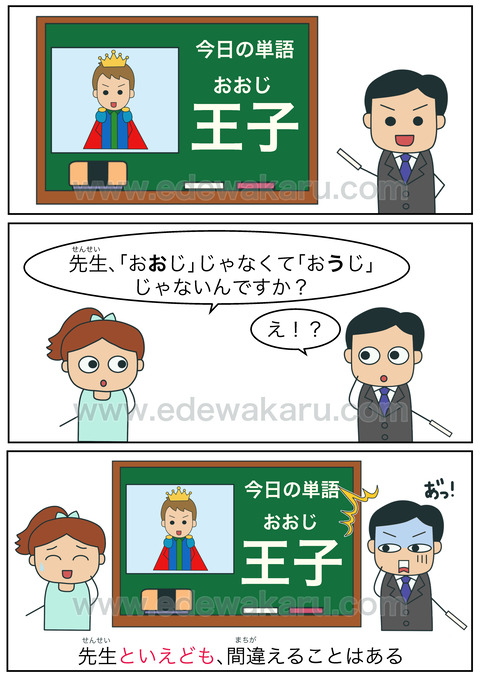
先生といえども、間違えることはある
Even a teacher can make mistakes.
体にいいといえども、食べすぎるのはよくない
Even though it is good for your health, eating too much is not good.
プロといえども失敗することはある
Even a professional can fail.
病気で勉強する時間がなかったといえども、カンニングするのはよくない
Even though I had no time to study because I was sick, cheating is not right.
9月といえども、まだまだ暑い日もある
Even in September, there are still plenty of hot days.
社長といえども、会社のお金を使うことは許されない
Even a company president is not allowed to use company money.
子供といえども、なめてはいられない
Even a child cannot be underestimated.
Read the original source text
Meaning
いくら〜でも
たとえ〜でも
How to use it
動詞・形容詞・名詞[普通形]+といえども
Explanation
「Aといえども」は「いくらAでも」「たとえAでも」という意味の文型です。「Aの状態でも、予想することと違う場合もある」と言いたい時に使われます。また「A」に資格や地位を表すものがくると、 「Aの立場でも予想とは違い、〜する場合もある」という意味になります。
[例]
【状態】
②体にいい
といえども、食べすぎるのはよくない
[予想]体にいい→たくさん食べればいいだろう
→体によくても、食べすぎるのはよくない場合もある
④病気で勉強する時間がなかった
といえども、カンニングするのはよくない
[予想]病気だった→病気だったらしかたないだろう
→たとえ病気だったとしても、カンニングするのはよくない
⑤9月
といえども、まだまだ暑い日もある
[予想]9月→涼しくなる
→9月でも、まだまだ暑い日もある
【資格・地位】
①先生
といえども、間違えることはある
[地位]先生→間違えることはないだろうと予想
→たとえ先生でも、間違えることはある
③プロ
といえども
失敗することはある
[地位]プロ→失敗することはないだろうと予想
→たとえプロでも、失敗することもある
⑥社長
といえども、会社のお金を使うことは許されない
[地位]社長→会社のお金を使ってもいいだろう
→たとえ社長でも、会社のお金を使うことはゆるされない
⑦子供
といえども、なめてはいられない
[地位]子供→子供なんて本気にならなくて大丈夫だろう
→たとえ子供でも、なめていてはいられない
「〜といえども」は、書き言葉として使われることがほとんどです。N1を受ける人はしっかりと覚えておきましょう😊
くらべてわかる日本語表現文型辞典
Meaning
Meaning 1: Being A does not mean that one is exempt from something. B is an unavoidable duty or a resolve.
Meaning 2: Normally, one would think that if A, then not B, but even if A, B.
How to use it
A といえども B
[Verb] といえども
[i-adjective — plain form] といえども
[na-adjective — だ/である/だった/ではない] といえども
[Noun — ∅/だ] といえども
Explanation
【Contrast 1】
「A といっても B」(Meaning 1, p. 161)
The construction 「A といっても B」 can be rephrased when B presses a duty or resolve upon someone. However, 「A といえども B」 gives a stronger impression.
○子どもといっても、10代になれば半分大人の扱いが必要だ。
○子どもといえども、10代になれば半分大人の扱いが必要だ。
「A とはいえ B」(Meaning 1, p. 185)
Notes
【Note 1】
・This is used in sentences that state general principles, and A does not refer to a specific individual thing. In other words, A means something like “for example, something of this kind,” and describes a characteristic of that kind of thing.
【Note 2】
・What the speaker wants to say is B; A is mentioned to emphasize B.
・「世間広しといえども〜」 and 「老いたりといえども〜」 are set expressions.
In context 8 examples
外国人といえども、日本の法律は守らなければならない。
Even foreigners must obey Japanese law.
社会経験のない主婦といえども、裁判員に指名されたら断ることはできない。
Even a housewife with no work experience cannot refuse if she is appointed as a lay judge.
平和な時代といえども、日頃の危機管理が必要だ。
Even in peaceful times, day-to-day crisis management is necessary.
ボランティアで参加しているといえども、真剣に取り組んでほしい。
Even though you are participating as a volunteer, I want you to take it seriously.
シャーロックホームズがいかに有能だといえども、この事件は解決できない。
No matter how capable Sherlock Holmes is, he cannot solve this case.
現代は高度な医療技術が発達してきているといえども、予防できない病気も多い。
Even though advanced medical technology has developed in modern times, there are still many illnesses that cannot be prevented.
近代都市といえども、地震の猛威にはひとたまりもなかった。
Even a modern city was no match for the destructive force of an earthquake.
子ども相手のゲームといえども、負けると悔しい。
Even when it’s a game for children, losing is frustrating.
Read the original source text
Meaning
意味1:Aを理由に何か免除されるわけではない。Bは逃れられない義務や覚悟。
意味2:普通AならBではないと思われるが、たとえAであってもB。
How to use it
AといえどもB
[動詞]といえども
[イ形-普]といえども
[ナ形-だ/である/だった/ではない]といえども
[名詞-∅/だ]といえども
Explanation
【対比1】
「AといってもB」(意味1 P.161)
「AといってもB」のBが義務や覚悟を迫るものは言い換えが可能。ただし、「AといえどもB」のほうが強い印象を与える。
○子どもといっても、10代になれば半分大人の扱いが必要だ。
○子どもといえども、10代になれば半分大人の扱いが必要だ。
「AとはいえB」(意味1 P.185)
Notes
【注意1】
・一般論を述べる文であり、Aは個別のものをさしていない。つまり、Aはたとえば~のようなものという意味で、その個体のもつ特性を述べている。
【注意2】
・話し手の述べたいことはBであり、Bを強めるためにAを述べる。
・「世間広しといえども〜」「老いたりといえども〜」は慣用的表現。
日本語NET JLPT文法解説まとめ
Meaning
even if ... / no matter how ...
How to use it
V (plain form) + といえども
い-adjective (plain form) + といえども
な-adjective (plain form) + といえども
N (plain form) + といえども
※ The だ in “な-adjectiveだ” and “Nだ” may be omitted.
Explanation
“Even if ... / No matter how ...”
A formal expression.
In context 9 examples
いくら生きるためといえども、人の物を盗むのは良くない。
No matter how much it is for survival, stealing someone else's belongings is wrong.
いくら安いといえども、偽物であれば欲しいとは思わない。
No matter how cheap it is, if it's counterfeit, I wouldn't want it.
未成年といえども、罪を犯したのであれば償うべきだ。
Even if they are a minor, if they have committed a crime, they should atone for it.
プロのギタリストといえども、ミスをすることはあり得る。
Even professional guitarists can make mistakes.
たった10円といえども、粗末にしてはならない。
Even ten yen must not be treated carelessly.
会社の社長といえども、簡単には社員をクビにすることはできない。
Even a company president cannot easily fire an employee.
彼は大学を中退したといえども、今では大企業の社長として立派に働いている。
Even though he dropped out of university, he now works admirably as the president of a major company.
会社を作ったといえども、まだ社員が二人だけなので、会社と言えるかどうか・・・。
Even though I started a company, we still only have two employees, so I'm not sure you can really call it a company...
外国人といえども、日本に住んでいるのだから、日本の法律は守らなければならない。
Even foreigners must obey Japanese law, since they live in Japan.
Read the original source text
Meaning
たとえ〜であっても / いくら〜でも
How to use it
V(普通形)+ といえども
イA(普通形)+ といえども
ナA(普通形)+ といえども
N(普通形) + といえども
※「ナAだ」、「Nだ」の「だ」は省略可
Explanation
"Even if ~ / No matter how ~"
硬い表現
NINJAL 日本語文型データベース
Meaning
Used when you want to say that even in a case like 「〜」, the expected state is not the case, or when you want to say that a certain state ought to be the case.
How to use it
V plain form + といえども
i-A plain form + といえども
na-A plain form + といえども (「na-A」 can also take the forms 「na-A+といえども」 or 「na-Aである+といえども」)
Nといえども / N plain form + といえども (「Nだ」 can also take the forms 「N+といえども」 or 「Nである+といえども」)
Notes
「〜」 can refer to either a fact or a hypothetical situation. It often refers to an extreme or special case.
In context 21 examples
これから大型台風が来るといえども、この地域ではいまだに風雨は強くない。
Even though a large typhoon is coming, the wind and rain are still not strong in this area.
たとえ世間からは評価されていないといえども、この作品が彼の最高傑作であることは間違いない。
Even if this work is not appreciated by the public, there is no doubt that it is his greatest masterpiece.
深刻な病気の診断を受けたといえども、自覚症状はなかった。
Even though I was diagnosed with a serious illness, I had no symptoms that I could notice.
試合では勝てなかったといえども、チームの実力が相手に劣っていたと考えるべきではない。
Even though we couldn’t win the match, we shouldn’t conclude that our team was inferior to the opponent.
親の愛情があれば、たとえ暮らしが貧しいといえども幸せな子ども時代を過ごせるのではないか。
If children have their parents’ love, they may be able to have a happy childhood even if their family is poor.
このところ調子がよくないといえども、やはり名棋士。今日の対局は鮮やかな戦法での勝利だった。
Even though he hasn’t been in good form lately, he is still a master shogi player. He won today’s match with a brilliant strategy.
両親とは非常に仲が悪かったといえども、全く口をきかないというわけではなかった。
Even though I had a very bad relationship with my parents, it wasn’t as if we never spoke at all.
この計画に対しては、数は多くなかったといえども非常に批判的な意見もあった。
Although there weren’t many, there were also very critical opinions about this plan.
いかに報酬が魅力的といえども、そのほかの条件がはっきりしなければ、仕事を引き受けられない。
No matter how attractive the compensation may be, I can’t accept the job unless the other conditions are clear.
彼は日本国内では非常に有名であるといえども、海外ではまだ無名のアーティストである。
Although he is very famous in Japan, he is still an unknown artist overseas.
日本では昆虫食は一般的ではないといえども、伝統的に食べる地域も存在する。
Although eating insects is not common in Japan, there are regions where it is traditionally practiced.
家庭環境が複雑だったといえども、それを犯罪行為の言い訳にしてはならないだろう。
Even if his family situation was complicated, he should not use it as an excuse for criminal behavior.
いかに判定に不服だったといえども、選手が審判に暴言を吐くべきではなかった。
No matter how dissatisfied the player was with the ruling, they should not have hurled insults at the referee.
私は若いころスポーツが楽しめるほど健康でなかったといえども、ほぼ普通の生活を送ることはできた。
Even though I wasn’t healthy enough to enjoy sports when I was young, I was able to lead an almost normal life.
長年連れ添った夫婦といえども、互いに秘密は存在するものだ。
Even married couples who have been together for many years have secrets from each other.
梅雨時の正確な天気予報は、たとえベテランの気象予報士といえども、外す可能性もある。
Even an experienced weather forecaster can get an accurate forecast for the rainy season wrong.
彼がどれほど有能な医師といえども、この患者を助けることはできなかった。
No matter how capable a doctor he was, he could not save this patient.
緊急事態であるといえども、自分だけが助かろうとするのではなく、困っている人を手助けするべきだ。
Even in an emergency, we should help people in need rather than try to save only ourselves.
彼らは法的には夫婦ではないといえども、夫婦同様のパートナー同士である。
Although they are not legally married, they are partners in a relationship equivalent to marriage.
その役は主役ではなかったといえども、かなり重要な役柄だった。
Although the role was not the lead, it was quite an important one.
たとえ故意ではなかったといえども、自分が引き起こした事態には責任は持つべきだった。
Even though it was not intentional, he should have taken responsibility for the situation he caused.
Read the original source text
Meaning
〜のような場合でも、そこから予想される状態ではないと言いたいとき、または、ある状態であるべきだと言いたいときに使います。
How to use it
V普通形+といえども
i-A+普通形といえども
na-A普通形+といえども(「na-A」→「na-A+といえども・na-Aである+といえども」の形になることもある)
Nといえども・N普通形+といえども(「Nだ」→「N+といえども・Nである+といえども」の形になることもある)
Notes
「〜」は事実でも仮定のことでもいいです。極端な場合や特別な場合がくることが多いです。
IMABI
The Particles ども, とも, & たりとも
Read this IMABI lesson ↗Explanation
The Particle ども, とも, & たりとも
In this lesson, we will learn about the conjunctive particles ど(も), とも, and たりとも, both of which are contrastive (逆接) in nature. Putting aside their lack of use, we will investigate the uniquely nuanced contrasts that can be made with these particles.
Curriculum Note: Occasional examples from older stages of Japanese will be provided; however, you are not required to study other archaic grammar present in those examples. For the benefit of any who wish to research these topics further, all such examples will be shown in their original orthography, a modern orthography adaptation, along with a Modern Japanese translation.
The Conjunctive Particle ど(も)
Learning of another particle so late into your Japanese studies may come as a surprise, but the conjunctive particle ど(も)is actually already quite familiar to you via its antecessor けれど(も), which is most commonly abbreviated to けど.
Though the exact etymology of けれど(も) is contested, its meaning of “although” is almost identical to that of ど(も). While also translated into English as “even though/although,” the relationship between the dependent clause marked by ど(も)and the main clause that follows is more nuanced.
The conjunctive particle ど(も)is also unique in how it attaches to the 已然形 of verbs. Although this base is typically referred to as the 仮定形 in the context of Modern Japanese grammar, the use of the term 已然形 is still often applied to ど(も)because of the temporal nature of the verb implied in this construction being something already set in motion.
Verb Class已然形例
一段-re– 見れど
五段-e–行けど
サ変sure–すれど
カ変kure–来(く)れど
だde.are–
nare1–であれど(も)
なれど(も)
In Classical Japanese, ど(も) possessed two interrelated nuances that contribute to how it is perceived in Modern Japanese.
逆接確定条件: Translating into Modern Japanese as ~けれども or ~が, a “established contrastive conditional” refers to Situation B, a result contrary to an expectation implied from whatever Situation A is.
Situation A necessitates that tense/aspect be properly defined so as to make clear how Situation A is established, given how ど(も) attaches to the 已然形. In Modern Japanese, however, the array of aspect markers that once existed have been condensed to largely ~た, and although that alone would not necessarily prevent ど(も) from attached to its 已然形 tare-, this nuance has been entirely taken over by けれど(も). This is even the case when the verb of the dependent clause marked by ど(も) is in the non-past tense.
1.
Original Text: 足ずりをして泣けども甲斐なし。
現代日本語: 足をばたつかせて泣くけれどもどうにもならない。
Throwing a tantrum amounts to nothing.
From the 伊勢物語.
2. 去れど、我は追わず。
Though (they) leave, I will not pursue.
逆接恒常条件: Translating into Modern Japanese as ~であっても、やはり…, a “constant contrastive conditional” refers to Situation B ALWAYS being the case even though Situation A is the case.
The meaning of “even though…” lives on in Modern Japanese, albeit largely limited to set phrases and the written language. This is likely due to ど(も)functioning more like ~ても, which limits the aspect of said dependent clause to being “in the moment.”
3. 行けども、行けども、砂ばかりだった。
Though I kept going and going, there was only sand.
4. 行けども行けども、山また山。
(We) went on and on, but there was nothing but mountain after mountain to be seen.
5. しかし、結果は一そう悪く、待てど暮らせど何の返事も無く、自分はその焦燥しょうそうと不安のために、かえって薬の量りょうをふやしてしまった。
But, the result was even worse, and having waited and wanted and not received a response of any sort, I ended up increasing my dosage all the more out of impatience and anxiety.
From 『人間失格』 by 太宰治.
~といえども
The pattern ~といえど(も)is used to acknowledge Situation A, which is a condition (fact) that is presumed established, while introducing Situation B, which contrasts with what would expect from Situation A.
6. たとえ帝王とはいえど、法を犯せば罰せられる。
Even if (they) were the emperor, (they) would still be punished for breaking the law.
This grammar essentially combines aspects of both nuances of ~ど(も), indicating how interrelated they truly are due to their shared utilization of the 已然形. Both nuances rely on Situation A being presumed established, but the exact nature of the contradiction set by Situation B differs – whether Situation B is a one-off, unexpected consequence or always so conversely consequential. In Ex. 5, even if someone were the 帝王, their being the 帝王 would be established and uncontested; nonetheless, their status (situation) as emperor would not exempt them from being punished for violating the law if and when they do, and that established contrastive conditional is always maintained. By unpacking the logical relationship between Situation A and Situation B in this manner, “nonetheless/nevertheless” are often provided as translations, even though doing so would be consequentially longwinded.
7a. さすがのラファエル君といえども、この夏の暑さには参ってるだろう。
Even with Rafael being how he is, he must be exhausted by the heat this summer.
In this example, Situation B is not a constant. Yet, not even Rafael’s presumed ability to withstand the heat is withstanding this summer’s heat. The simplest paraphrasing of といえども out of this example would be でも.
7b. さすがのラファエル君でも、この夏の暑さには参ってるだろう。
Even with Rafael, given how he is, he must be exhausted by the heat this summer.
While this paraphrasing happens to work just fine on account of [さすがのラファエル君] being a simple nominal predicate, for a more faithful, modern representation of といえども in this context, とは言っても serves as a better candidate.
Now, what prompts modern speakers to purposefully revert to using といえども despite being antiquated goes back to how Situation A is perceived. Whether Situation A is presumed to be the case or just a happenstance contrastive hypothetical condition (逆接仮定条件) is not disambiguated via ~ても.
8. いくら暑さに強いとは言っても、この夏の暑さには参ってるだろう。
No matter how heat-resistant you say you are, you’d be overwhelmed by the heat this summer.
From ~ても alone, we do not know the exact nature of Situation A as it pertains to it being established fact or a hypothetical (and a hyperbolized one at that). This brings us full circle back to how ど(も)may translate as ~が・けれど, which at least can present Situation A as a concession made.
9. さすがのラファエル君も、猛暑日でも平気とは言うが、この夏の暑さには参ってるだろう。
Even given how Rafael-kun is, saying how he can handle scorching heat, he must be feeling overwhelmed by the heat this summer.
While ~が・けれど are more suitable for presenting 逆接確定条件 than ~ても, the uncontested nature of Situation A presented via ~ど(も) is unique enough to keep the grammar point from dying out of modern speech entirely.
Another point of contention to consider is nuancing provided by the emphatic adverbial particles は and も.
The inclusion of the particle は into this pattern inherently adds a distinct layer of contrast being made between Situation A and other similar situations that could just as easily result in the same contrary scenario had with Situation B.
6. たとえ帝王とはいえど、法を犯せば罰せられる。
Even if (they) were the emperor, (they) would still be punished for breaking the law.
With this in mind, we see how [帝王] could be swapped out with other similar nouns, and such comparisons are implied by using は, and with Situation A still holding true, the conditional statement is more emphatic as an effect.
Now, as for the inclusion of も in ~ど(も), も plays the role of an intensifier after various types of adverbial expressions, which contrastive dependent clauses may count as. Due to the propensity of using も in similar structures like ~ても, however, も is more likely used than not2.
While it may be tempting to view ~ども as being grammaticalized as one word, its absence does not have a profound change in meaning as is the case for other similar patterns such as ~ても or ~とも.
だ-Ellipsis w/ ~といえど(も)
While anachronistic in practice, the thought of だ coexisting with an archaic dependent clause structure which predates its existence would seem odd, but as is often the case with archaisms, neoclassical applications do result in だ being optional when ~といえど(も) follows nominal and adjectival noun predicates. However, its ellipsis3 is far more common.
10. 同じ秘書経験者(だ)といえども、菅と安倍を分けるものはまさしくそれだった。
Despite both being experienced secretaries, it was that very point of commonality which separated Suga and Abe from each other.
~と雖も
In 漢文, 雖 indicates a contrastive conditional, and because of this, it has been adopted as an alternative means of spelling ~といえども.
11. 自ら顧かえりみて縮なおくんば4千万人と雖いえども我われ往ゆかん。(Famous Quote)
If I reflect upon myself and find myself to be in the right, no matter if ten million people (tell you otherwise), I shall move forward.
By 吉田松陰.
12. 中らずと雖も遠からず。(Set Phrase=Idiom)
Literal Translation: Though not landing (on the mark), (it) is not far off.
Near the mark.
Historical Segue
Since Old Japanese (上代日本語), the stage of the language spoken in the Nara Period (8th century AD), the bare 已然形 could be used to create an established contrastive conditional all on its own, but it just so happened that the particle ど(も) frequently accompanied it.
13.
Traditional Orthography: さこそ言へ、まだ追ひやらず。
Modern Orthography: さこそ言え、まだ追いやらず。
Modern Translation: そうは言うけれど、まだ完全に追い出さない。
English Translation: Easier said than done, though, as I’m still not completely driving (her) away.
From the 伊勢物語5.
14.
Original 万葉仮名: 不聴雖謂話礼〻〻常詔許曽志斐伊波奏強話登言
Traditional Orthography: 否と言へど語れ語れと詔らせこそ志斐い6は奏せ強語といふ。
Modern Orthography: 否と言えど語れ語れと詔らせこそ志斐いは強語という。
Modern Translation: いやだと申し上げても、語れ語れと仰せになるからこそ、志斐は申し上げるのです。それを「強い語り」とおっしゃる。
I’m the one who, despite saying no, am told by you to keep going, which is precisely why I (Shii) keep telling my stories. Here you are calling them “stories I force upon you.”
From Poem 237 of the 万葉集.
吉田金彦 suggests that ど may derive from the particle と and that the voicing occurred due to a morpheme expressing conjecture fusing with it before Japanese’s written history began.
Putting aside whether ど is the fusion of two morphemes or not, the uncanny resemblance between it and the particle とも does indicate an etymological relationship. With that in mind, let’s delve into the conjunctive particle とも.
The Conjunctive Particle とも
The conjunctive particle とも consists of the conjunctive particle と7 used in conditional expressions and the intensifier adverbial particle も, grammaticalized as a single word to indicate a contrastive hypothetical condition (逆接仮定条件).
Unlike ~ど(も), though the relationship between the dependent clause marked by とも and the main clause is contrastive in nature, the outcome itself is fine, if not even “only nature,” as far as the speaker’s attitude toward the relationship is concerned.
Traditionally, the conjunctive particle とも attaches to the 終止形 of affirmative, verbal predicates and to the 連用形 of adjectival predicates and the /zu-/ 連用形 of the negative auxiliary verb ~ず.
15. 去るとも、我は追わず。
Even if (they) are to leave, I shall not pursue.
16. 上手くいけば誰も犠牲にせずとも好いかも知れませぬ。
If all goes well, we might not have to sacrifice anyone.
17. 遅くとも、来月末までに提出してください。
Please submit it by the end of next month at the latest.
In Modern Japanese, in addition to these environments, とも may also be found after the volitional form.
18. いくら困難が立ちはだかろうとも、ただ突き進むだけさ。
No matter how many difficulties stand in my way, I just keep going.
The overall meaning of “even if,” especially in contexts like “no matter what,” has also resulted in とも gaining a final particle function denoting the speaker’s agreeance or consent as something that is only “obvious.”
19. もちろん、行くとも!
Of course, I’m going!
While understanding how とも semantically works is no difficult task, knowing how these various applications are used practically and how they relate to similar patterns will be our next goal, as it would be inappropriate to label all these usages as being merely old-fashioned.
V終止形(肯定)+とも
Instances of the conjunctive particle とも following verbs without intervening morphology are exceedingly rare in Modern Japanese. However, one does not look hard at all in Classical Japanese.
20. 千年を過ぐすとも、一夜の夢の心地こそせめ。
Even if I were to watch ten thousand years go by, it would likely feel like a single night’s dream.
From the 『徒然草』.
Similarly to ~としても, it is also possible to see ~とも after the predecessor of ~た, ~たり. In these scenarios, the conjunctive particle とも does pertain to established concessive contrasts but with the added sensation that the speaker feels the result is to be expected.
21.
Traditional Orthography: たとひ弓を持ちたりとも、矢をはげずはかなひがたし
Modern Orthography: たとい弓を持ちたりとも、矢を矧げずは敵い難し。
Modern Translation: たとえ弓を持ったとしても、矢を番えなければ敵わない。
English Translation: Even if you did have a bow in hand, you are no match unless you nock an arrow.
From the 『平家物語』.
Rare instances of ~とも attaching to the 連用形 do appear in Old Japanese, and in Middle Japanese, especially during the time period when the 終止形・連体形 were merging together, it could also be seen appearing after the 連体形.
22.
Traditional Orthography: 万代に携はり居て相見とも思ひ過ぐべき恋にあらなくに
Modern Orthography: 万代に携わり居て相見とも思い過ぐべき恋にあらなくに
Modern Translation: いつも手を繋ぎ体を交わし合おうとも、それで忘れられるべき恋ではないのだな。
English Translation: Even as we always be holding each other’s hands and intimate with one another, this is by no means a love that we should let fade.
From Poem 2024 of the 万葉集.
23. 死ぬるとも敵に後を見すな。
Even if you are to die, do not show your back to the enemy.
From the 『平家物語』.
~ずとも
Simply put, ~ずとも is the predecessor of ~なくても. In Modern Japanese, the use of ~ずとも is limited to the written (≈poetic) language, and it is largely restricted to verbal predicates, although there are still occasional instances of it with other predicates, especially in more (neo)classical speech.8
Predicate Type例
動詞(一段)
動詞(五段)
動詞(サ変)
動詞(カ変)見ずとも
降らずとも
せずとも
来(こ)ずとも
形容詞高からずとも
名詞・形容動詞:~なり~ならずとも
Out of brevity, the classical copula なり stands for both nominal and adjectival noun predicates.
24. マニアならずとも世界が認めるデザインは、目から鱗なはずだ。
Even without being an enthusiast, a design that is recognized worldwide ought to be eye-opening.
25. 言わずとも、知れたことだよ。
That goes without saying, it’s so obvious.
24. 一石を投ぜず9とも、第一に、「伝統的社会」はすでに自壊作用をはじめたという見方も可能である。
Without even casting the first stone, it is possible to take the view that “traditional society” has already begun the process of disintegrating.
From 『NPO/NGOと国際協力』by 西川潤,佐藤幸男.
26. そんな人物は、長からずとも人生を生きてきていれば、会社でも学校でも、いくらでもいたはずだ。
A person like that will surely have been in our lives, even if one hasn’t been on the block for that long, whether in the workplace, at school, etc.
27. 「息子さえおれば、こんな歳になってこんな情けない目に遭わずともすんだものを。」篠突く雨の中、関ヶ原へと進軍する途中の家康は、馬上幾度もそうぼやいたという。
If only my son were here, I would not have to suffer such a pitiful fate as this at my age,” Ieyasu muttered to himself repeatedly while on horseback in the pouring rain on his way to Sekigahara.
From 『聚楽』by 宇月原晴明.
Why the 連用形?
As can be deduced from the chart above, ~ず itself attaches normally to the 未然形 of all predicate types, albeit to the traditional version if any discrepancies exist between Classical Japanese and Modern Japanese, as is the case for サ変 and predicates involving the copula (なり).
As for why ず is viewed as being in the 連用形 in this construction as opposed to the 終止形 like it does in the affirmative for verbal predicates, the argument for this rests on the acute affinity the bases of ず have with that of adjectives, as both exhibit ラ変型活用, and even their non-ラ変型 conjugates bear uncanny resembles to one another.
Bases~ず
(非ラ変型)~ず
(ラ変型)形容詞
(非ラ変型)形容詞
(ラ変型)
未然形ずざら(く)から
連用形ずざりくかり
終止形ず〇し〇
連体形ぬざるきかる
已然形ねざれけれ〇
命令形〇ざれ〇かれ
~くとも
When combined with adjectival predicates, ~とも follows the 連用形. In this environment, it has been largely replaced by ~ても in modern speech, but more can be said about this transition.
In highly emphatic contrastive conditionals, often accompanied by adverbs such as どんなに・どれだけ・いくら・たとえ, ~とも holds on, albeit still overshadowed by ~ても in the spoken language.
28. どんなに辛くともくじけるな。
No matter how tough (things) are, do not be disheartened.
29. どんなに美しくとも、闇夜に咲く花は誰の目にも映らぬ。
No matter how beautiful they may be, flowers which bloom in the dark of night are seen by no one.
30. 地方の酒屋も、小さくともなんとか職人の意地で酒を造り続けてほしい。
I hope that local brewers, no matter how small, will continue to make sake with the pride one would expect of a craftsman.
As a subset of this environment, ~でなくとも with nominal and adjective noun predicates is also possible. Likewise, ~でなくとも has largely been replaced by ~でなくても in modern speech.
31. 逆に、人間でなくとも、殺すことは許されない。
Conversely, even it is not human, it is not permissible to kill it.
32. 特別な才能を示す少年は、家柄がそれほどでなくとも、入学を許可される場合がある。
There are cases of lads who display exceptional talent being admitted even with a modest family background.
Given that the auxiliary verb ~ない and ない are no different, (~)なくとも is to be expected in formal, written contexts, even preferred over (~)なくても. As for its used in the spoken language, such use is indicative of Early Modern Japanese-style speech, which remains alive in the speech of older generations.
33. 台木を用いなくともよい。
There is no need to use rootstocks.
34. 事前の許可がなくとも、治療用規制物質の投与が認められる。
The administration of controlled substances for medical purposes is allowed even without prior authorization.
35. 理解されなくともまったくかまわない。
I really don’t care if its not understood.
36. 特に英語を勉強しなくとも、楽勝だろうね。
Particularly English, it’s probably a piece of cake for you even if you don’t study.
These instances of ~なくとも should not be confused with its appearance in 少なくとも. It turns out that 少なくとも (at least) along with 遅くとも (at the latest) and 多くとも (at most) have become set instances of ~とも being grammaticalized into adverbial expressions with said definitions.
37. 少なくとも10人は要ります。
We need ten people at the least.
38. 無所属候補は、多くとも何千票(か)しか獲得できないだろう。
Independent candidates will likely receive only a few thousand votes at most.
39. 車だと早くとも5時間はかかる。
By car, the quickest it would take would be at least 5 hours.
Nuance Note: At first glance, 早くとも may seem similar to 早ければ. However, upon further inspection, the impression of 早くとも is quite negative in tone. In Ex. 39, the journey by car is still long, and the likelihood of it taking longer than five hours is quite high.
This adverbial use of とも may even be seen attached to plain adverbs pertaining to amount.
40. そのために多少ともお役に立てばと思って本書を刊行することとした。
That is why I decided to publish this book in the hope that it will be of some help.
It is only when these adjective + とも combinations are used as typical dependent clauses that replacement with ~ても is possible.
41. あまりに本数が少なくても、人は乗るんでしょうか。
Will people still ride (bus/train) lines even when there are so few of them?
42. いくら多くても、絶対に売ってはいけなかったのだ。
No matter how many of (them) there was, (we) were to never sell (them).
形容詞(終止形)+~とも
While the conjunctive particle traditionally attaches to the 連用形 of adjectives, there are rare instances of it following the 終止形, especially in Early Modern Japanese literature. Such instances can be interpreted as ~とも functioning as an abbreviation of ~と言っても.
43. 前列と後列の間はわずか一尺五寸10ぐらいだろう、左右の間隔はそれより短いとも長くはない。
The space between the front and back rows measured about one foot and five inches, and the space between the men, left and right, might have been even less than that, certainly no greater.
From 『坊ちゃん』by 夏目漱石.
~(よ)うと(も)
When ~とも follows the auxiliary verb ~(よ)う, either in it capacity as suppositional markers or as volitional markers, the particle maintains its role of marking a “contrastive conditional,” and with the addition of ~(よ)う , resulting statements are highly emotionally charged, with adverbs such as どんなに (how)・どれだけ (to what extent) ・いくら (how much)・たとえ (even if) frequently accompanying.
Because this pattern may follow all predicate types, below is a recap on how ~(よ)う connects to the 未然形.
Predicate Type未然形+~(よ)う
一段動詞-∅-見よう
五段動詞–o– 言おう
サ変shi–しよう
カ変ko–来(こ)よう
形容詞–karo–新しかろう
形容動詞daro–
de.aro–簡単だろう
簡単であろう
だ・であるdaro–
de.aro–~だろう
~であろう
44. たとえ雨が降ろうとも洗濯物を取り込まない。
I do not bring in the laundry, even if it rains.
45. 誰が何と言おうとも、美味しければそれでいいのだ。
No matter what anyone says, as long as it tastes good, that’s all that matters.
46. 頻発する一揆11は、それがいかに大規模であろうとも、いかに激しかろうとも、階層を横に連帯する論理、すなわち新しい時代への展望とこれを実現する手段とを欠いており、しょせんが一揆にすぎなかった。
The frequent uprisings, no matter how large or violent they were, lacked the logic to unite people across classes, in other words, the vision for a new era and the means to realize it, and were ultimately nothing more than uprisings.
From 『「経済大国」に明日はないか』by 吉田春樹.
Interestingly, も is not grammaticalized to と in this environment. This means its absence does not affect the meaning of the expression. This suggests that と in this construction retains some affinity to its quotative particle iteration. However, a change in tone can still be observed. Without も, the conditional brought forth feels far more punctual.
47. 我らホモ・サピエンスはどれだけ努力しようと、どれだけ達成しようと、生物学的に定められた限界を突破できないというのがこれまで暗黙の了解だった。
Until now, it has been tacitly understood that we, Homo sapiens, could not surpass the limitations imposed on us by our biology, no matter how hard we might try and no no matter the accomplishments we would make.
48. 宇宙の終わりがあろうとなかろうと、我々人類は見ることはできないだろう。
Whether there will be an end to our universe or not, we humans will likely not be there to see it.
Curriculum Note: See also ~ようと~まいと.
~とも~とも
Speaking of the quotative と+も, it is important not to confuse this combination with the conjunctive particle とも when said combination is in the pattern ~とも~とも to indicate inability to draw a conclusion.
49. どれも正しいとも間違っているとも判断できません。
I can’t judge any of it as being right or wrong.
50. きょうのところは、私は明確に右とも左とも申し上げかねますから、少し研究さしていただきたいと思います。
As for today, I would like do some more research (on this matter), as I’m afraid I cannot state one way or another definitively.
From these two examples, it is clear that the clausal relationship between とも and the rest of the sentence is not the same as when とも functions as a conjunctive particle. Whereas the conjunctive particle とも would follow a dependent clause, clearcut instances of “quotative と+も” follow embedded quotes, which are subordinate clauses.
終助詞「とも」
The final particle usage of とも ultimately derives from its conjunctive particle functionality. While the conjunctive particle とも is contrastive in nature, the outcome itself is obvious, unworthy of doubt, as far as the speaker is concerned12. This “only natural” nuance is what gives the final particle とも’s flare in denoting what is only a natural response.
52. 「結論があるんですか」「あるとも。」
“That means you have reached a conclusion?” “That I have!”
53. 食ったとも、食ったとも!あきれちゃったよ。
I sure did eat it! That I did! I was quite fed up!
The final particle とも may follow plain and polite speech variants. As for its relationship with the copula, copula ellipsis is notably possible with そうだ13 but limited to sociolects such as female speech. This is likely due to a conflict of modality, in which the final particle とも matches the affirmative modality of the copula.
54. もちろん、思いましたとも。
Of course, I thought that!
55 ああ、そうです!そうですとも!あれが最後です。
Ah, yes! That is correct! That is the last one.
56. それはそう(だ)とも!
Of course, that’s the case!
Though somewhat dated, the final particle とも may also appear after interjections which indicate affirmation such as ああ and おう.
57. おうとも、さようで!
Why yes, that is so indeed!
Typically, the final particle とも does not attach to modal phrases which indicate supposition, especially if there is a certain level of uncertainty involved. This means ~とも naturally does not pair well with endings like ~らしい・そうだ because of how they indicate hearsay, but it does naturally pair well with endings like ~に違いない for expressing the speaker’s brimming confidence in something being the case. Interestingly, though, ~だろうとも is quite common. In this environment, the speaker is not describing the high factualness of the statement at hand, but rather that the likelihood of it being so high is undeniable.
58.「事件はこの後に起こる。」「そうだろうとも。」
“The incident would occur after this point.” “Of course, it would.”
The Particle たりとも
Next, we will look at the conjunctive particle たりとも, which is a combination of the defunct copula verb たり and the conjunctive particle とも attaching to its /tari-/ 終止形.
The conjunctive particle たりとも is largely limited to counter expressions, translating as “not even…” given how the main clause is always in the negative. Furthermore, the counter expression itself must be a unit that is “minimal” in nature, and the number used is always one or replaced with 何~.
59. なにより、自らの「同志」の一人が政権に参画したのだ。しかも彼は事務方の官房副長官という、過去一度たりとも民間人の就いたことのない重要ポストに座っている。
More than anything else, there was one person who took part in planning in the administration with the same sentiments as [the Prime Minister]. Furthermore, he was sitting in a high-level post, the administrative Deputy Chief Cabinet Secretary, for which no civilian had been appointed to even once in the past.
60. 一瞬たりともおろかにはできぬ。
You can’t even neglect it even for a moment.
61. 2001年、同じ場所で演説をした前首相の小泉純一郎は、街宣車から降りた途端、一歩たりとも動けなくなった。
The moment Former Prime Minister Koizumi Jun’ichiro stepped out from the propaganda vehicle onto the same spot he had given a speech in 2001, he was unable to make even a step.
61. 邪魔する者は何人たりとも咬み殺す!
I will kill any number of men with my bite if he so dares to get in my way!
Similarly to とも is grammaticalized in phrases like 少なくとも as adverbs in their own right, the same can be said of “1 + Counter + たりとも.” While the underlying clausal structure is still present in its etymology, たりとも does not function as a full-fledged dependent clause in these expressions.
The Classical Japanese ancestor of だ is なり, and given ど(も)’s tendency to be used with archaic speech, it may appear after the 已然形 of なり as opposed to だ. ↩︎
Written works from as far back as Old Japanese such as the 万葉集 indicate a high tendency toward using ども, and in Middle Japanese 漢文訓読文-style texts, ども was exclusively used. ↩︎
To be non-anachronistic in our approach, なり ellipsis would also need to be examined. It just so happens that なり was also just as optional and with parallel effects on the mood attributed to its subordinate clause. ↩︎
~くんば is the combination of the /ku-/ 連用形 of adjectives followed by the particle は, which is incidentally etymologically tied to the particle ば, deriving from は being voiced. As voiced consonants were pre-nasalized in older stages of Japanese, this explains the ん in this pattern. ↩︎
The 伊勢物語 itself is not from Old Japanese but from the later period of Middle Japanese. Also, the bare 已然形 is still occasionally utilized in Modern Japanese when paired with the bound particle こそ. ↩︎
The particle い is a fascinating grammatical structure lost to time that was present in Old Japanese. Its purpose was to hone in on nominal expressions as “especially” being the point of contention, exhibiting case-like and adverbial-like properties. ↩︎
There is also the argument to made that と in this construction derives from its case particle usage. While the resultant structure behaves as a conjunctive particle with predicates, the combination of the case particle と (as a comparison (standard) marker≈quotative particle) and も after nouns and nominalized expressions is parallel in meaning. The ultimate difference, however, is that, while と may still function as a comparison marker or a quotative particle without も, も is grammaticalized as one word for its contrastive conjunctive functionality. ↩︎
The predicate types listed are those that pertain to Modern Japanese grammar. In a neoclassical context, it would be anachronist to assume that a speaker, even one versed in any particular older stage of Japanese, would have internalized an archaism pure to its original grammatical environment(s). ↩︎
Included as サ変 are verbs which in Modern Japanese end in ~じる which originally ended in ~ず(る) in earlier stages of Japanese. ↩︎
尺 30.3 cm = 11.92 inches; 寸 = 3 cm = 1.18 inches. ↩︎
The word 一揆 has great historical significance in Japanese history, but the exact nature of the “uprisings” it refers to depends on the time period and sociopolitical circumstances involved. ↩︎
This is not the exact same as definitively stating that something is true. Otherwise, we would expect a typical declarative sentence. At the heart of the final particle ~とも is the mindset of the speaker that the matter at hand is obviously so without giving it any thought=need to verify, and possibly even that the listener could reach the same conclusion just as easily. ↩︎
Examples of copula ellipsis with generic nominal predicates are excessively rare in Modern Japanese. ↩︎
In context 57 examples
去れど、我は追わず。
Though (they) leave, I will not pursue.
行けども、行けども、砂ばかりだった。
Though I kept going and going, there was only sand.
行けども行けども、山また山。
(We) went on and on, but there was nothing but mountain after mountain to be seen.
しかし、結果は一そう悪く、待てど暮らせど何の返事も無く、自分はその焦燥しょうそうと不安のために、かえって薬の量りょうをふやしてしまった。
But, the result was even worse, and having waited and wanted and not received a response of any sort, I ended up increasing my dosage all the more out of impatience and anxiety.
たとえ帝王とはいえど、法を犯せば罰せられる。
Even if (they) were the emperor, (they) would still be punished for breaking the law.
さすがのラファエル君といえども、この夏の暑さには参ってるだろう。
Even with Rafael being how he is, he must be exhausted by the heat this summer.
さすがのラファエル君でも、この夏の暑さには参ってるだろう。
Even with Rafael, given how he is, he must be exhausted by the heat this summer.
いくら暑さに強いとは言っても、この夏の暑さには参ってるだろう。
No matter how heat-resistant you say you are, you’d be overwhelmed by the heat this summer.
さすがのラファエル君も、猛暑日でも平気とは言うが、この夏の暑さには参ってるだろう。
Even given how Rafael-kun is, saying how he can handle scorching heat, he must be feeling overwhelmed by the heat this summer.
同じ秘書経験者(だ)といえども、菅と安倍を分けるものはまさしくそれだった。
Despite both being experienced secretaries, it was that very point of commonality which separated Suga and Abe from each other.
自ら顧かえりみて縮なおくんば4千万人と雖いえども我われ往ゆかん。(Famous Quote)
If I reflect upon myself and find myself to be in the right, no matter if ten million people (tell you otherwise), I shall move forward.
中らずと雖も遠からず。(Set Phrase=Idiom)
Literal Translation: Though not landing (on the mark), (it) is not far off.
去るとも、我は追わず。
Even if (they) are to leave, I shall not pursue.
上手くいけば誰も犠牲にせずとも好いかも知れませぬ。
If all goes well, we might not have to sacrifice anyone.
遅くとも、来月末までに提出してください。
Please submit it by the end of next month at the latest.
いくら困難が立ちはだかろうとも、ただ突き進むだけさ。
No matter how many difficulties stand in my way, I just keep going.
もちろん、行くとも!
Of course, I’m going!
千年を過ぐすとも、一夜の夢の心地こそせめ。
Even if I were to watch ten thousand years go by, it would likely feel like a single night’s dream.
死ぬるとも敵に後を見すな。
Even if you are to die, do not show your back to the enemy.
マニアならずとも世界が認めるデザインは、目から鱗なはずだ。
Even without being an enthusiast, a design that is recognized worldwide ought to be eye-opening.
言わずとも、知れたことだよ。
That goes without saying, it’s so obvious.
一石を投ぜず9とも、第一に、「伝統的社会」はすでに自壊作用をはじめたという見方も可能である。
Without even casting the first stone, it is possible to take the view that “traditional society” has already begun the process of disintegrating.
そんな人物は、長からずとも人生を生きてきていれば、会社でも学校でも、いくらでもいたはずだ。
A person like that will surely have been in our lives, even if one hasn’t been on the block for that long, whether in the workplace, at school, etc.
「息子さえおれば、こんな歳になってこんな情けない目に遭わずともすんだものを。」篠突く雨の中、関ヶ原へと進軍する途中の家康は、馬上幾度もそうぼやいたという。
If only my son were here, I would not have to suffer such a pitiful fate as this at my age,” Ieyasu muttered to himself repeatedly while on horseback in the pouring rain on his way to Sekigahara.
どんなに辛くともくじけるな。
No matter how tough (things) are, do not be disheartened.
どんなに美しくとも、闇夜に咲く花は誰の目にも映らぬ。
No matter how beautiful they may be, flowers which bloom in the dark of night are seen by no one.
地方の酒屋も、小さくともなんとか職人の意地で酒を造り続けてほしい。
I hope that local brewers, no matter how small, will continue to make sake with the pride one would expect of a craftsman.
逆に、人間でなくとも、殺すことは許されない。
Conversely, even it is not human, it is not permissible to kill it.
特別な才能を示す少年は、家柄がそれほどでなくとも、入学を許可される場合がある。
There are cases of lads who display exceptional talent being admitted even with a modest family background.
台木を用いなくともよい。
There is no need to use rootstocks.
事前の許可がなくとも、治療用規制物質の投与が認められる。
The administration of controlled substances for medical purposes is allowed even without prior authorization.
理解されなくともまったくかまわない。
I really don’t care if its not understood.
特に英語を勉強しなくとも、楽勝だろうね。
Particularly English, it’s probably a piece of cake for you even if you don’t study.
少なくとも10人は要ります。
We need ten people at the least.
無所属候補は、多くとも何千票(か)しか獲得できないだろう。
Independent candidates will likely receive only a few thousand votes at most.
車だと早くとも5時間はかかる。
By car, the quickest it would take would be at least 5 hours.
そのために多少ともお役に立てばと思って本書を刊行することとした。
That is why I decided to publish this book in the hope that it will be of some help.
あまりに本数が少なくても、人は乗るんでしょうか。
Will people still ride (bus/train) lines even when there are so few of them?
いくら多くても、絶対に売ってはいけなかったのだ。
No matter how many of (them) there was, (we) were to never sell (them).
前列と後列の間はわずか一尺五寸10ぐらいだろう、左右の間隔はそれより短いとも長くはない。
The space between the front and back rows measured about one foot and five inches, and the space between the men, left and right, might have been even less than that, certainly no greater.
たとえ雨が降ろうとも洗濯物を取り込まない。
I do not bring in the laundry, even if it rains.
誰が何と言おうとも、美味しければそれでいいのだ。
No matter what anyone says, as long as it tastes good, that’s all that matters.
頻発する一揆11は、それがいかに大規模であろうとも、いかに激しかろうとも、階層を横に連帯する論理、すなわち新しい時代への展望とこれを実現する手段とを欠いており、しょせんが一揆にすぎなかった。
The frequent uprisings, no matter how large or violent they were, lacked the logic to unite people across classes, in other words, the vision for a new era and the means to realize it, and were ultimately nothing more than uprisings.
我らホモ・サピエンスはどれだけ努力しようと、どれだけ達成しようと、生物学的に定められた限界を突破できないというのがこれまで暗黙の了解だった。
Until now, it has been tacitly understood that we, Homo sapiens, could not surpass the limitations imposed on us by our biology, no matter how hard we might try and no no matter the accomplishments we would make.
宇宙の終わりがあろうとなかろうと、我々人類は見ることはできないだろう。
Whether there will be an end to our universe or not, we humans will likely not be there to see it.
どれも正しいとも間違っているとも判断できません。
I can’t judge any of it as being right or wrong.
きょうのところは、私は明確に右とも左とも申し上げかねますから、少し研究さしていただきたいと思います。
As for today, I would like do some more research (on this matter), as I’m afraid I cannot state one way or another definitively.
「結論があるんですか」「あるとも。」
“That means you have reached a conclusion?” “That I have!”
食ったとも、食ったとも!あきれちゃったよ。
I sure did eat it! That I did! I was quite fed up!
もちろん、思いましたとも。
Of course, I thought that!
それはそう(だ)とも!
Of course, that’s the case!
おうとも、さようで!
Why yes, that is so indeed!
「事件はこの後に起こる。」「そうだろうとも。」
“The incident would occur after this point.” “Of course, it would.”
なにより、自らの「同志」の一人が政権に参画したのだ。しかも彼は事務方の官房副長官という、過去一度たりとも民間人の就いたことのない重要ポストに座っている。
More than anything else, there was one person who took part in planning in the administration with the same sentiments as [the Prime Minister]. Furthermore, he was sitting in a high-level post, the administrative Deputy Chief Cabinet Secretary, for which no civilian had been appointed to even once in the past.
一瞬たりともおろかにはできぬ。
You can’t even neglect it even for a moment.
2001年、同じ場所で演説をした前首相の小泉純一郎は、街宣車から降りた途端、一歩たりとも動けなくなった。
The moment Former Prime Minister Koizumi Jun’ichiro stepped out from the propaganda vehicle onto the same spot he had given a speech in 2001, he was unable to make even a step.
邪魔する者は何人たりとも咬み殺す!
I will kill any number of men with my bite if he so dares to get in my way!
どんなときどう使う 日本語表現文型辞典
Usage 1
Meaning
even though
How to use it
N / 〔Plain form〕 + といえども W
Explanation
~であっても/といっても
1)極端な立場の人やものや場合を取り上げ、「~であっても・~と言っても」と言って、それから受ける特徴や印象に反することを述べるときの表現。
2)硬い言葉。
1)Expresses disagreement (even if, even if you say) with characteristic or impression of people or things in extreme situations.
2)Formal expression.
In context 3 examples
高齢者といえども、まだまだ意欲的な人が大勢いる。
Even among the elderly, there are still many people who are full of drive.
副主任といえども、監督者なら事故の責任は逃れられない。
Even if you’re an assistant supervisor, if you’re a supervisor, you can’t escape responsibility for an accident.
彼は暴力で友だちから金を取り上げるということをしたのだから、未成年といえども罰を受けるべきだ。
Since he used violence to take money from his friend, he should be punished even though he is a minor.
Read the original source text
Meaning
even though
How to use it
N/〔普通形〕+といえどもW
Explanation
~であっても/といっても
1)極端な立場の人やものや場合を取り上げ、「~であっても・~と言っても」と言って、それから受ける特徴や印象に反することを述べるときの表現。
2)硬い言葉。
1)Expresses disagreement (even if, even if you say) with characteristic or impression of people or things in extreme situations.
2)Formal expression.
Usage 2
Meaning
not even (one)
How to use it
Counter for one + といえども~ない W
Explanation
といえども~ない
~も
「1助数詞+といえども~ない」の形で最低の単位のものを挙げて、「1~も~ない」と全否定を強く言う言い方。やや古めかしい言葉。同様の言い方に「たりとも~ない」がある。
Strong overall negation stressing that not even one of some minimal unit exists. Slightly old-fashioned. Similar pattern is たりとも~ない.
In context 3 examples
日本は物価が高いから、1円といえども無駄に使うことはできない。
Prices in Japan are high, so not even one yen can be spent wastefully.
わたしは1日といえども仕事を休みたくない。
I don’t want to take even one day off work.
熱帯雨林に住む動物たちの中には、森を離れたら1日といえども生きられない動物がいるそうだ。
I hear that among animals living in tropical rainforests, there are some that wouldn’t survive even a single day away from the forest.
Read the original source text
Meaning
not even (one)
How to use it
1助数詞+といえども~ないW
Explanation
といえども~ない
~も
「1助数詞+といえども~ない」の形で最低の単位のものを挙げて、「1~も~ない」と全否定を強く言う言い方。やや古めかしい言葉。同様の言い方に「たりとも~ない」がある。
Strong overall negation stressing that not even one of some minimal unit exists. Slightly old-fashioned. Similar pattern is たりとも~ない.