文法
Meaning
If you do something like ~, then (everything will be ruined).
How to use it
V(past form)+ たら最後
V(past form)+ たが最後
Notes
「たら最後」 is more colloquial.
In context 6 examples
兄はゲームをし出したら最後、ご飯も食べずに夜遅くまで部屋にこもりっきりだ。
Once my older brother starts playing games, he shuts himself in his room until late at night without even eating.
1度削除したが最後、元に戻せなくなるからバックアップはきちんと取っておいたほうがいいよ。
Once you delete it, you can't restore it, so you'd better make a proper backup.
ゲーム・オブ・スローンズという海外のシリーズを見出したら最後、続きが気になって宿題もできなくなるよ。
Once you start watching the overseas series Game of Thrones, you'll get so curious about what happens next that you won't even be able to do your homework.
あの人にお金を貸したら最後、2度と返してもらえないでしょう。
Once you lend that person money, they'll probably never pay you back.
あの国へ行ったら最後、もう2度と帰ってこれないでしょう。
Once you go to that country, you'll probably never be able to come back.
校内でタバコを吸っているのが見つかったら最後、停学は免れないでしょう。
Once you're caught smoking on school grounds, suspension will be unavoidable.
Read the original source text
Meaning
もし〜のようなことをしたら、(全てがダメになる)。
How to use it
V(タ形)+ たら最後
V(タ形)+ たが最後
Notes
「たら最後」の方が口語的
Bunpro Grammar Reference
Meaning
Once, Now that, As soon as
How to use it
Verb[た]+ が + 最後
Verb[たら]+ 最後
Nuance
A grammar point indicating that once (A) happened, (B). With (A) being the end of it, the new (B) cannot change. Often negative.
Explanation
たら最後 and たが最後 are grammar structures that both share the meaning of 'once (A), definitely (B)'. (B) will always be something negative that is thought to inevitably occur once the action of (A) happens. These expressions may be translated as 'once (A), (B)', 'now that (A), (B)', or 'as soon as (A), (B)'.
Both たら and が are being used as conjunction particles. たら carries its usual meaning of 'if' or 'when', while が has the meaning of 'however', or 'but'. This means that たが最後 means '(A), but it will end up as (B)', while たら最後 means 'when (A), it will end up as (B)'. Although this nuance is slightly different, they are used completely interchangeably.
恋愛だけではなく、友達の間でも信頼を失ったが最後、取り戻すにはかなりの時間がかかる。
Once you lose trust, not only in love, but also among friends, it takes a long time to regain it.
その会社と契約をしたが最後、解約するのがものすごくめんどくさい。
Once you have signed a contract with that company, it is a huge hassle to cancel.
あの蛇に噛まれたら最後、体が麻痺するらしい。
I heard that once you get bitten by that snake, your body becomes paralyzed.
田中さんが話し始めたら最後、口が疲れるまでずっと話し続ける。
Once Tanaka-san starts talking, he won't stop until his mouth gets tired.
Because 最後 is primarily seen before the comma in these types of sentences, it can be easy to think that it is connected to the が or たら. However, it is actually more correctly connected logically to the (B) half of the sentence, and states that the 'final state' will end up being that way.
Caution
Occasionally, the (B) phrase will be omitted from these sentences when the negative result is obvious.
あの人に政治についての意見を求めたら最後だ。
It's the end once you ask him for his political opinions. (He won't stop talking after that)
先生が注意しなくなったら最後だ。
It's the end once your teacher stops giving you advice. (Because it means that they have given up on you)
In context 18 examples
- 私の彼氏はゲームをいったんやり始めたら最後、どうしても深夜までやめられない。
Once my boyfriend starts playing a game, he can't stop until late at night no matter what.
- 恋愛だけではなく、友達の間でも信頼を失ったが最後、取り戻すにはかなりの時間がかかる。
Once you lose trust, not only in love, but also among friends, it takes a long time to regain it.
- その会社と契約をしたが最後、解約するのがものすごくめんどくさい。
Once you have signed a contract with that company, it is a huge hassle to cancel.
- 田中さんが話し始めたら最後、口が疲れるまでずっと話し続ける。
Once Tanaka-san starts talking, he won't stop until his mouth gets tired.
- あの蛇に噛まれたら最後、体が麻痺するらしい。
I heard that once you get bitten by that snake, your body becomes paralyzed.
- 小説のカスタマーレビュー:「綺麗な話です。読みはじめたら最後、涙がとまりません。」
Customer review of a book: 'What a beautiful story. Once I started reading, I couldn't stop crying.'
- 口を開いたら最後、自分の意志では止められなくて何時間も喋り続けてしまう。
Once she opens her mouth, she will keep on talking for hours with no intention of stopping.
- 友達との話:「うちの犬ったらいったん食べ物を見つけたら最後、いっぺんに食べてしまう。」
Chat between friends: 'Once our dog spots food, it eats everything at once.'
- その民族が住む島には行ったら最後、生きて帰れる可能性は無いだろう。
Once one goes to the island that that tribe lives on, there is no possibility of returning alive, right?
- 恋人関係や友人関係において信頼は失ったが最後、元の関係に戻る事は出来ません。
Once one loses trust in a friendship or romantic relationship, you cannot return it to the way things were before.
- この映画の主題歌は聞いたら最後、死ぬまでずっと頭のどこかに残り続けるよ。
Once you hear this movie's theme song, it will remain in your head somewhere constantly until the day you die.
- 看守に脱走する計画がバレてしまったが最後、一生を刑務所で暮らす事になります。
Once our plan of fleeing from the prison guard is revealed, we'll end up spending our whole lives in jail.
- ちょっと休憩しようと思いソファーに腰を掛けたが最後、目が覚めたら翌日になっていた。
Once I thought about having a quick break and planted myself down on the sofa, when I awoke it was the following day.
- 会社、先輩は後輩に:「イラ次長に目を付けられたら最後、この会社では生きていけなくなるんだよ。もちろん比喩ではない。」
At a company, senpai to kouhai: 'Once vice-director Ira has an eye on you, you won't be able to continue at this company. I'm not joking, of course. '
- 営業マンとして有名な武田さんの話を聞き始めたら最後、絶対にその商品を買う羽目になってしまいます。
Now that I have heard Takeda-san's pitch, who is famous as a salesman, I'm in the bind of having to buy his products.
- 社長、社員に:「会社は信頼性を一度失ったが最後、絶対に取り戻すことができないので、クライアントとの対話には気をつけてね。」
Company president to employees: 'Once the company loses its reputation, it cannot be regained, so be careful when communicating with clients.'
- あの人に政治についての意見を求めたら最後だ。
It's the end once you ask him for his political opinions. (He won't stop talking after that)
- 先生が注意しなくなったら最後だ。
It's the end once your teacher stops giving you advice. (Because it means that they have given up on you)
Read the original source text
Meaning
Once, Now that, As soon as
How to use it
Verb[た]+ が + 最後
Verb[たら]+ 最後
Nuance
A grammar point indicating that once (A) happened, (B). With (A) being the end of it, the new (B) cannot change. Often negative.
Explanation
たら最後 and たが最後 are grammar structures that both share the meaning of 'once (A), definitely (B)'. (B) will always be something negative that is thought to inevitably occur once the action of (A) happens. These expressions may be translated as 'once (A), (B)', 'now that (A), (B)', or 'as soon as (A), (B)'.
Both たら and が are being used as conjunction particles. たら carries its usual meaning of 'if' or 'when', while が has the meaning of 'however', or 'but'. This means that たが最後 means '(A), but it will end up as (B)', while たら最後 means 'when (A), it will end up as (B)'. Although this nuance is slightly different, they are used completely interchangeably.
恋愛だけではなく、友達の間でも信頼を失ったが最後、取り戻すにはかなりの時間がかかる。
Once you lose trust, not only in love, but also among friends, it takes a long time to regain it.
その会社と契約をしたが最後、解約するのがものすごくめんどくさい。
Once you have signed a contract with that company, it is a huge hassle to cancel.
あの蛇に噛まれたら最後、体が麻痺するらしい。
I heard that once you get bitten by that snake, your body becomes paralyzed.
田中さんが話し始めたら最後、口が疲れるまでずっと話し続ける。
Once Tanaka-san starts talking, he won't stop until his mouth gets tired.
Because 最後 is primarily seen before the comma in these types of sentences, it can be easy to think that it is connected to the が or たら. However, it is actually more correctly connected logically to the (B) half of the sentence, and states that the 'final state' will end up being that way.
Caution
Occasionally, the (B) phrase will be omitted from these sentences when the negative result is obvious.
あの人に政治についての意見を求めたら最後だ。
It's the end once you ask him for his political opinions. (He won't stop talking after that)
先生が注意しなくなったら最後だ。
It's the end once your teacher stops giving you advice. (Because it means that they have given up on you)
Nuance · 日本語
一度(A)が起こったら(B)が起こるということを示す文法。(A)が終点であるため、新しい(B)は変わらない。ネガティブなことで使われることが多い。
Explanation · 日本語
「たら最後」と「たが最後」は、どちらも「一度 (A) が起こったら、必ず (B) が起こる」という意味を表す表現です。(B) には悪い結果が入ります。
「たら」は仮定を表す接続助詞で、「が」は逆接の接続助詞です。そのため、「たら最後」は「もし (A) をしたら、最終的には (B) になる」という意味になり、「たが最後」は「(A) だが、最終的には (B) になる」という意味になります。このように、両者の意味合いは厳密には異なりますが、実際にはどちらも同じように使われています。
恋愛だけではなく、友達の間でも信頼を失ったが最後、取り戻すにはかなりの時間がかかる。
Once you lose trust, not only in love, but also among friends, it takes a long time to regain it.
その会社と契約をしたが最後、解約するのがものすごくめんどくさい。
Once you have signed a contract with that company, it is a huge hassle to cancel.
あの蛇に噛まれたら最後、体が麻痺するらしい。
I heard that once you get bitten by that snake, your body becomes paralyzed.
田中さんが話し始めたら最後、口が疲れるまでずっと話し続ける。
Once Tanaka-san starts talking, he won't stop until his mouth gets tired.
これらの表現では、「最後」の後に読点が付くことが多いため、「たら」や「が」とセットになっているように見えるかもしれません。しかし、この表現が「最終的に (B) になる」という意味を表すことからもわかるように、「最後」はその後の (B) と論理的に繋がっています。
注意点
文の前半を読めば悪い結果になることが明らかにわかる場合、後半が省略されることもあります。
あの人に政治についての意見を求めたら最後だ。
It's the end once you ask him for his political opinions. (He won't stop talking after that)
先生が注意しなくなったら最後だ。
It's the end once your teacher stops giving you advice. (Because it means that they have given up on you)
どんなときどう使う 日本語表現文型辞典
Meaning
if…that will be the end of it
How to use it
Vたら + 最後
Explanation
もし~のようなことをしたら/もし~のようなことになったら
1)「最後」という言葉の示すとおり、「~のようなことをしたら、もうすべてがだめになる、最後だ」という気持ちで使う。
2) ❹ の「たが最後」も用法は同じだが、「たら最後」のほうが口語的。
2)In sentence ❹ , たが最後 has same usage, but たら最後is more colloquial.
1)Feeling that if someone does some particular action everything will be lost or over.
In context 4 examples
まさおは遊びに出かけたら最後、暗くなるまで戻ってきません。
Once Masao goes out to play, he doesn't come back until it gets dark.
ファイルは1度削除したら最後、元に戻せないから、気をつけたほうがいいですよ。
Once you delete a file, you can't restore it, so you'd better be careful.
彼は国境を1歩でも出たが最後、2度と故郷には戻れないことを知っていた。
He knew that once he stepped even one step beyond the border, he would never be able to return to his homeland.
あの人にお金を貸したが最後、返してもらえないから、気をつけたほうがいいよ。
Once you lend that person money, you won't get it back, so you'd better be careful.
Read the original source text
Meaning
if…that will be the end of it
How to use it
Vたら+最後
Explanation
もし~のようなことをしたら/もし~のようなことになったら
1)「最後」という言葉の示すとおり、「~のようなことをしたら、もうすべてがだめになる、最後だ」という気持ちで使う。
2) ❹ の「たが最後」も用法は同じだが、「たら最後」のほうが口語的。
2)In sentence ❹ , たが最後 has same usage, but たら最後is more colloquial.
1)Feeling that if someone does some particular action everything will be lost or over.
絵でわかる日本語
Usage 1
Read this source entry ↗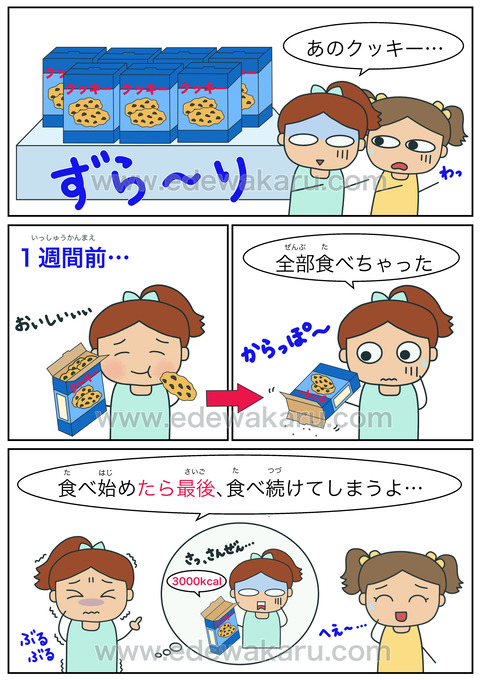
Meaning
If you do ~, it will lead to a bad result like ~
How to use it
Verb [た-form] + たら最後
Verb [た-form] + が最後
Explanation
“〜たら最後・〜が最後” is a sentence pattern meaning “if you do ~, it will lead to a bad result like ~.” It is used when you want to say, “Once you do ~, a bad result like this follows and you can’t go back to how things were.” Remember that what follows is a [bad result] or [something undesirable]. Also, “〜たら最後” can be changed to “〜が最後” 😊
[Examples]
① Once you start eating those cookies, you just keep eating them…
=Once you start eating those cookies, you just keep eating them…
② If you cheat, you’ll get expelled.
=If you cheat, you’ll get expelled.
[For those with time to spare]
“〜たら最後・〜たが最後” also has the forms “〜たら最後だ” and “〜が最後だ.” In these forms, the part expressing the bad result is omitted.
[Examples]
If you cheat, that’s it.
If you lend him money, that’s it…
“〜たら最後” is more colloquial than “〜が最後.” If you’re taking the N1, remember both 😀
In context 6 examples
あのクッキーは食べ始めたら最後、食べ続けてしまうよ…
→あのクッキーは食べ始めたら食べ続けてしまうよ[悪い結果]クッキーがなくなるまで食べ続けてしまうOnce you start eating those cookies, you just keep eating them… →Once you start eating those cookies, you keep eating them. [Bad result] You keep eating until there are no cookies left.
カンニングなんてしたら最後、退学になる
→カンニングなんてしたら、退学になる[悪い結果]退学If you cheat, you’ll get expelled. →If you cheat, you’ll get expelled. [Bad result] Expulsion.
山田くんがマイクを持ったら最後、歌い続けるよ…
→山田くんがマイクを持ったら、歌い続けるよ[悪い結果]一人で歌い続けるOnce Yamada gets hold of a microphone, he’ll keep singing… →Once Yamada gets hold of a microphone, he’ll keep singing. [Bad result] He’ll keep singing by himself.
失敗したら最後、首にされてしまう
→失敗したら、首にされてしまう[悪い結果]首になるIf you fail, you’ll get fired. →If you fail, you’ll get fired. [Bad result] You’ll lose your job.
彼にお金を貸したら最後、絶対に返してもらえないよ
→彼にお金を貸したら、絶対に返してもらえないよ[悪い結果]お金が返ってこないOnce you lend him money, you’ll never get it back. →If you lend him money, you’ll never get it back. [Bad result] The money won’t be returned.
このドラマは見だしたら最後、続きが気になって寝られなくなるそうだ
→ドラマを見だしたら、続きが気になってなられなくなる[悪い結果]寝られなくなるApparently, once you start watching this drama, you’ll get so curious about what happens next that you won’t be able to sleep. →Once you start watching the drama, you’ll get curious about what happens next and won’t be able to sleep. [Bad result] You won’t be able to sleep.
Read the original source text
Meaning
〜したら、〜のような悪い結果になる
How to use it
動詞[た形]+たら最後
動詞[た形]+が最後
Explanation
「〜たら最後・〜が最後」は「〜したら、〜のような悪い結果になる」という意味の文型です。これは「一度〜したら〜のような悪い結果になって、元に戻ることができない」と言いたい時に使われます。後ろには
【
悪い結果】【よくないこと】
が入ると覚えておきましょう。また「〜たら最後」は「〜が最後」にチェンジすることができます😊
[例]
①あのクッキーは食べ始め
たら最後、食べ続けてしまうよ…
=あのクッキーは食べ始め
たが最後、食べ続けてしまうよ…
②カンニングなんてし
たら最後、退学になる
=カンニングなんてし
たが最後、退学になる
【余裕がある人へ】
「〜たら最後・〜たが最後」には「〜たら最後だ。・〜が最後だ。」という形もあります。悪い結果を表す部分が省略される形です。
[例]
カンニングなんてし
たら最後だ
彼にお金を貸し
たら最後だ
よ…
「〜たら最後」は「〜が最後」に比べて口語的です。N1を受ける人はどちらも覚えておきましょう😀
Usage 2
Read this source entry ↗Meaning
If you do ~, it will lead to a bad result like ~
How to use it
Verb [た-form] + たら最後
Verb [た-form] + が最後
Explanation
“〜たら最後・〜が最後” is a sentence pattern meaning “if you do ~, it will lead to a bad result like ~.” It is used when you want to say, “Once you do ~, a bad result like this follows and you can’t go back to how things were.” Remember that what follows is a [bad result] or [something undesirable]. Also, “〜たら最後” can be changed to “〜が最後” 😊
[Examples]
① Once you start eating those cookies, you just keep eating them…
=Once you start eating those cookies, you just keep eating them…
② If you cheat, you’ll get expelled.
=If you cheat, you’ll get expelled.
[For those with time to spare]
“〜たら最後・〜たが最後” also has the forms “〜たら最後だ” and “〜が最後だ.” In these forms, the part expressing the bad result is omitted.
[Examples]
If you cheat, that’s it.
If you lend him money, that’s it…
“〜たら最後” is more colloquial than “〜が最後.” If you’re taking the N1, remember both 😀
Read the original source text
Meaning
〜したら、〜のような悪い結果になる
How to use it
動詞[た形]+たら最後
動詞[た形]+が最後
Explanation
「〜たら最後・〜が最後」は「〜したら、〜のような悪い結果になる」という意味の文型です。これは「一度〜したら〜のような悪い結果になって、元に戻ることができない」と言いたい時に使われます。後ろには
【
悪い結果】【よくないこと】
が入ると覚えておきましょう。また「〜たら最後」は「〜が最後」にチェンジすることができます😊
[例]
①あのクッキーは食べ始め
たら最後、食べ続けてしまうよ…
=あのクッキーは食べ始め
たが最後、食べ続けてしまうよ…
②カンニングなんてし
たら最後、退学になる
=カンニングなんてし
たが最後、退学になる
【余裕がある人へ】
「〜たら最後・〜たが最後」には「〜たら最後だ。・〜が最後だ。」という形もあります。悪い結果を表す部分が省略される形です。
[例]
カンニングなんてし
たら最後だ
彼にお金を貸し
たら最後だ
よ…
「〜たら最後」は「〜が最後」に比べて口語的です。N1を受ける人はどちらも覚えておきましょう😀
くらべてわかる日本語表現文型辞典
Meaning
Meaning 1: Once situation A occurs, it's all over; things cannot go back to how they were.
Meaning 2: Once A begins, the state of A continues from then on.
How to use it
A たが最後 B (A たら最後 B)
[Verb—た form] が最後
Notes
【Notes 1 and 2】
・In spoken language and similar contexts, 「~たら最後」 is used more often.
○失敗したら最後よ。二度とチャンスはないんだから。 — If you fail, that's it. There won't be another chance.
・B is often something that has a negative impact on the speaker.
In context 8 examples
社長の意見に反対したが最後、昇進はもう無理だろう。
If you oppose the president's opinion, that's it; you'll probably never get promoted.
この綱が切れたら最後、全員あの世行きだ。
If this rope breaks, it's all over; we'll all be dead.
落としたら最後もう元には戻らないから気をつけて持ってください。
Be careful as you carry it, because once you drop it, it can never be restored.
無くしたが最後、二度と見つからないでしょう。
Once it's lost, it probably won't ever be found again.
あの子はほしいと言いだしたが最後、買うまで泣き続ける。
Once that child starts saying they want something, they keep crying until they get it.
息子は酒を飲みだしたら最後、酔い潰れるまで飲んでしまう。
Once my son starts drinking, he keeps at it until he passes out.
夫は野球放送を見はじめたら最後、何を言っても動こうとしない。
Once my husband starts watching a baseball broadcast, he won't budge no matter what I say.
このゲームははじめたら最後、仕事も手につかぬほど面白い。
Once you start this game, it's so entertaining that you can't even focus on work.
Read the original source text
Meaning
意味1:Aという状態になったら、もうおしまいだ。もとには戻らない。
意味2:Aが始まったら、それから後はずっとAの状態が続く。
How to use it
Aたが最後B(Aたら最後B)
[動詞-た形]が最後
Notes
【注意1,2】
・話し言葉などでは、「~たら最後」の方を多く使う。
○失敗したら最後よ。二度とチャンスはないんだから。
・Bは話し手にとってマイナスになることが多い。
日本語NET JLPT文法解説まとめ
Meaning
If you do something like ~, then (everything will be ruined).
How to use it
V(past form)+ たら最後
V(past form)+ たが最後
Explanation
"Once
「たら最後」 is more colloquial.
Read the original source text
Meaning
もし〜のようなことをしたら、(全てがダメになる)。
How to use it
V(タ形)+ たら最後
V(タ形)+ たが最後
Explanation
"Once
「たら最後」の方が口語的
毎日のんびり日本語教師
How to use it
Verb ta-form + が最後
Verb ta-form + ら最後
Explanation
This is a conditional pattern expressing that once the preceding event occurs, the following event will inevitably occur.
As a rule, the following clause describes something bad, tragic, or desperate.
The sentence may end with phrases such as 「最後だ。」, and the rest can be omitted.
Notes
Nothing in particular.
In context 16 examples
行ったら最後、最低3年は帰って来れないだろう。
Once I go, I probably won’t be able to come back for at least three years.
それは触れたが最後、全身に激しい痛みが襲ってくるほど危険な植物だ。
It’s such a dangerous plant that the moment you touch it, intense pain sweeps over your whole body.
彼はゲームをし出したら最後、ご飯もトイレも行かなくなるくらい没頭してしまう。
Once he starts playing games, he gets so engrossed that he stops even going to eat or use the bathroom.
信頼関係は失ったが最後、取り戻すのは難しい。
Once trust is lost, it’s hard to regain.
浮気も不倫もバレたら最後だ。(见异思迁也好出轨也好如果败露了就完了。)
If an affair or cheating gets found out, it’s over.
この曲は一度聴いたら最後、忘れる事ができなくなるくらい中毒性が高い。
This song is so addictive that once you hear it, you can’t forget it.
このアニメは見たら最後、終わりまで見ないと気が済まなくなる。
Once you start watching this anime, you can’t rest until you’ve watched it to the end.
二度寝したら最後。(一旦睡回笼觉就完了。)
Once you go back to sleep after waking up, it’s over.
人生は山登りのようなもの。上に着いたが最後、たちまち下りが見える。
Life is like climbing a mountain. Once you reach the top, the descent immediately comes into view.
この映画は見たが最後、虚無感に苛まれる。
Once you watch this movie, you’ll be tormented by a sense of emptiness.
道を見失ったが最後、死ぬまで彷徨うはめになるかもしれない。
Once you lose your way, you may end up wandering until you die.
週末帰宅して鍵をかけたが最後、仕事に出かける日まで部屋を出ない。
Once I get home on the weekend and lock the door, I don’t leave my room until the day I go to work.
見つかったら最後。奈良の鹿は鹿せんべいの匂いを嗅ぎ分け行く手を阻んできます。
If they spot you, it’s over. The deer in Nara can sniff out the smell of deer crackers and block your way.
ちょっと一息つこうと思って横になったら最後、爆睡して気づいたら翌日だった。
I lay down thinking I’d take a short break, and that was it—I slept like a log and woke up to find it was the next day.
生まれたら最後。必ず誰かに迷惑がかかる。
Once you’re born, you’re bound to cause someone trouble.
ケツが痛すぎてトイレに深く腰掛けたら最後、立ち上がることができない。
My butt hurts so much that once I sit down deeply on the toilet, I can’t get back up.
Read the original source text
How to use it
動た形+が最後
動た形+ら最後
Explanation
前件が発生したら、必ず後件が発生することを表す仮定の文法です。
後件は原則悪いことで、悲劇的、絶望的なことが述べられます。
「最後だ。」などで文が終わる場合があり、後ろは省略することもできます。
Notes
特になし
NINJAL 日本語文型データベース
Meaning
Used to say that if “〜” happens, it will inevitably lead to a very bad outcome.
How to use it
Vたら最後
Notes
“〜” may be an event that actually happens repeatedly, or a hypothetical event.
In context 5 examples
この子は一度泣き出したら最後、いつまでも泣きやみません。
Once this child starts crying, they don’t stop for ages.
父は一度言い出したら最後、誰が何を言っても自分の考えを押し通す。
Once my father starts saying something, he sticks to his own opinion no matter who says what.
「気をつけて! この鍋の中に少しでも水が入ったら最後、油がはねて、大変なことになるよ」
“Be careful! If even a little water gets into this pot, the oil will splatter and it’ll be a disaster.”
このクッションの中身はマイクロビーズだから、カバーに穴が開いたら最後、みんな出てきてしまう。
The filling in this cushion is made of microbeads, so once there’s a hole in the cover, they’ll all spill out.
変な人に目をつけられたら最後、ストーカーの被害を受けるかもしれない。
Once you catch the attention of a strange person, you may become a victim of stalking.
Read the original source text
Meaning
〜が起きた場合、必ず、非常に悪い事態になると言いたいときに使います。
How to use it
Vたら最後
Notes
「〜」は実際に繰り返し起きている出来事でも、仮定の出来事でもいいです。