AIUEO JLPT Grammar
Meaning
This sentence pattern is used to explain the cause or reason for something, or to derive conclusions or results from a particular event or situation. It is also used when something originates from a specific cause.
How to use it
Adnominal modifying form + ことから
In context 5 examples
彼はその事件を目撃したことから、警察に証言を求められた。
Since he witnessed the incident, he was asked to testify by the police.
山が見えることから、この場所は「富士見町」と名付けられた。
This place was named “Fujimi Town” because you can see Mount Fuji from here.
彼女がクラスで一番成績がいいことから、リーダーに選ばれた。
She was chosen as the leader because she has the best grades in the class.
彼の態度が変わったことから、何かあったのではないかと思った。
I thought something might have happened because his attitude changed.
その曲は年間で一番再生されたことから、最優秀賞を受賞した。
The song won the top prize because it was the most played song of the year.
Read the original source text
Meaning
This sentence pattern is used to explain the cause or reason for something, or to derive conclusions or results from a particular event or situation. It is also used when something originates from a specific cause.
How to use it
連体修飾形+ことから
Explanation · 日本語
この文型は、原因や理由を説明したり、ある事柄から判断や結果を導くときに使われる表現です。また、出来事や状況が何かの由来であることを示す場合にも使用されます。
文法
Meaning
Because of ~ / deriving from ~ / based on ~ as grounds for a judgment
How to use it
V (plain form) + ことから
イA (plain form) + ことから
ナAな / である / だった + ことから
Nである / だった + ことから
In context 9 examples
彼は何でも知っていることから、「歩く辞典」と呼ばれている。
Because he knows everything, he is called a “walking dictionary.”
彼は中国語が話せることから、グローバル部へ配属となった。
Because he can speak Chinese, he was assigned to the Global Affairs Department.
彼の絵は独創的なことから、現代ピカソと呼ばれるようになった。
Because his paintings are so original, he came to be called the modern-day Picasso.
道路が濡れていることから、雨が降ったということがわかる。
From the fact that the road is wet, we can tell that it rained.
彼女は顔色が良いことから、病気ではないと自分で判断したが、それが間違いであった。
Because her complexion looked good, she concluded herself that she wasn’t sick, but she was wrong.
日本語能力試験のN4に合格していないことから、彼は日本に行くことができない。
Because he has not passed N4 of the Japanese-Language Proficiency Test, he cannot go to Japan.
二人の顔が似ていること、同じ服を来ていることから、すぐに双子であるとわかった。
From the fact that their faces looked alike and they were wearing the same clothes, we immediately realized they were twins.
トムさんの目にクマができていることから、寝不足であることが予想できる。
From the dark circles under Tom’s eyes, we can infer that he hasn’t been getting enough sleep.
Aさんの指紋が見つかったことから、警察は彼が犯人だと断定した。
Because A’s fingerprints were found, the police concluded that he was the culprit.
Read the original source text
Meaning
〜が理由で / 〜が由来で / 〜が判断の根拠になって
How to use it
V(普通形)+ ことから
イA(普通形)+ ことから
ナAな / である / だった + ことから
Nである / だった + ことから
Bunpro Grammar Reference
Meaning
From the fact that
How to use it
Verb + ことから
[い]Adjective + ことから
[な]Adjective + な + ことから
Noun + の + ことから
Nuance
A phrase that expresses the thing which is (A) as a fact, and then explains further from that.
Explanation
In order to come to a logical conclusion about something in Japanese, sometimes strong expressions like ことから will be used. This is a combination of the noun こと, and the case marking particle から. ことから literally means 'from that which is (A), (B)', but is generally simply translated as 'from the fact that (A), (B)'.
ことから may be connected to the end of any phrase, so long as the word before it is in its attributive form.
こんな早い時間に妻が寝ていることから、今日は色々と大変だったと気づいた。
From the fact that my wife is sleeping at such an early time, I noticed that she was busy with many things today.
家の家具が全部新しいことから、彼はここに引っ越してきたばかりだと分かった。
From the fact that all his furniture is new, I realized that he has just moved here.
子供が静かなことから、何か悪いことをしていると分かった。
From the fact that my kids were quiet, I knew that they were doing something bad.
これらのことからイベントを中止することに決めました。
From these facts, we have decided to cancel the event.
Caution
There is a difference between ことから 'from the fact that' and ことだから 'because'. In ことだから, から is a conjunction particle that links the (A) and (B) parts of a sentence. However, in ことから, から is a case marking particle, meaning that it is highlighting the subject.
コーヒーが冷たいことから、コーヒーが淹れられたのは結構前だと分かる。
From the fact that the coffee is cold, you can tell that it was poured quite a while ago.
コーヒーが冷たいことだから、コーヒーが淹れられたのは結構前だと分かる。
Since coffee is a cold thing, you can tell that it was poured quite a while ago. (Unnatural Japanese)
In context 18 examples
- 以上の事から、この結論に至りました。
From (the facts) above, we arrived at this conclusion.
- こんな早い時間に妻が寝ていることから、今日は色々と大変だったと気づいた。
From the fact that my wife is sleeping at such an early time, I noticed that she was busy with many things today.
- 家の家具が全部新しいことから、彼はここに引っ越してきたばかりだと分かった。
From the fact that all his furniture is new, I realized that he has just moved here.
- 子供が静かなことから、何か悪いことをしていると分かった。
From the fact that my kids were quiet, I knew that they were doing something bad.
- これらのことからイベントを中止することに決めました。
From these facts, we have decided to cancel the event.
- 「お父さん」と呼ばれている事から、子供がいるのだと分かった。
From the fact that he is being called 'dad', I discerned that he has children.
- 指輪をしている事から、既婚者だと分かった。
I realized that he is married from the fact that he is wearing a ring.
- 野球がとても上手な事から、将来は有名になりそうだ。
From the fact that he is really good at baseball, it seems like he will be famous one day.
- 田代島は猫が多い事から、猫の島と呼ばれるようになった。
From the fact that there are many cats in Tashirojima, it came to be called 'Cat Island'.
- フィルが一生懸命文法を勉強し始めた事から、彼が日本語の能力を高めようと思っていることに気がついた。
From the fact that Phil began intensely studying grammar, I realized that he was set on improving his Japanese language ability.
- この城の城壁は白い鳥の翼のように見える事から、白鳥城と呼ばれるようになった。
From the fact that this castle's walls look like a white bird's wings, it has come to be called 'white bird castle'.
- この靴は歩いてもあまり音がしない事から、英語でスニーカーと呼ばれている。「トゥ スニーク」というのは日本語で忍び寄るということです。
From the fact that these shoes produce little sound, they are called 'sneakers' in english. 'To sneak' is 'しのびよる' in Japanese.
- 犯行現場で凶器が見つかった事から、被告は25年の懲役を宣告された。
From the fact that a murder weapon was found at the crime scene, the defendant was sentenced to 25 years in prison.
- 無理して学校へ行くことで体調を崩すことがある。この事から、学校へ行くことがいつも正しいとは言えない。
There are times where insisting on going to school can lead to health deterioration. From this fact, you cannot say that it is always right to go to school.
- この種のゲームは机の上で行われる事から、英語でテーブルトップゲームと呼ばれている。
From the fact that this kind of game is played on the top of the table, it is called a 'tabletop game' in English.
- いい先生から数学を学んだ事から、私も数学の先生になりたいと思うようになった。
From the fact that I learned math from a good teacher, I too came to want to be a math teacher.
- コーヒーが冷たいことから、コーヒーが淹れられたのは結構前だと分かる。
From the fact that the coffee is cold, you can tell that it was poured quite a while ago.
- コーヒーが冷たいことだから、コーヒーが淹れられたのは結構前だと分かる。
Since coffee is a cold thing, you can tell that it was poured quite a while ago. (Unnatural Japanese)
DoJG 日本語文法辞典(全集)
Meaning
Because; due to; from the fact that ~; cause; trigger
How to use it
(i) {V/Adjectiveい}informal | ことから | |
| {話す/話した}ことから | Because someone talks/talked about something; because of (literally: from) something which someone talks/talked about |
| {つまらない/つまらなかった}ことから | Because of something trivial; because something is/was boring |
(ii) Adjective な stem | {な/である/だった}ことから | |
| 不便{な/である/だった}ことから | Because something is/was inconvenient |
(iii) Noun | {である/だった/であった}ことから | |
| 学生{である/だった/であった}ことから | Because someone is/was a student |
Explanation
A phrase that expresses a reason or a cause.
In context 8 examples
彼はアリバイが成立しなかったことから犯行の嫌疑がかかった。
Because (literally: from the fact that) he couldn't establish an alibi, he was suspected of a criminal act.
妙なことから二人の関係は悪化した。
The relationship between the two people deteriorated due to strange circumstances.
その教授は学生に高圧的だったことから、学生にひどく嫌われていた。
The professor was so overbearing towards his students that he was thoroughly hated by them.
今年は大学創立から250年に当たることから、盛大な記念祝典が開かれた。
Because it is the 250th year since the founding of the college, there was a magnificent anniversary ceremony this year.
私が余計なことを言ったことから議論が紛糾した。
The discussion became complicated because I said something uncalled for.
魚を水槽内で飼って行う研究は、長期的な観察が可能であることから、汎用性のあるデータが取得しやすい。
Keeping fish in a tank for research allows us to obtain data for general use because long-term observation is possible.
首相は不用意な言動が多かったことから、不信任案が議会で可決された。
Because the prime minister was often careless in his statements and behaviour, a no-confidence motion was passed in Parliament.
本当にささいなことから会談は中止になってしまった。
Because of a really trivial matter the conference broke up.
絵でわかる日本語
Meaning
For the reason that 〜
Judging from 〜
From the fact that 〜
How to use it
Verb, adjective, or noun [plain form] + ことから
* Present affirmative な-adjective: “〜なことから” or “〜であることから” (e.g., きれいなことから・きれいであることから)
* Present affirmative noun: “〜であることから” (e.g., 学生であることから)
Explanation
“〜ことから” is a sentence pattern expressing a reason, basis, or origin, and is used when you want to say “for the reason that 〜.” It expresses the reason behind a judgment or the grounds for it. 😊 There are several commonly used forms, so it would be useful to learn them. 😉
[Commonly used forms]
・〜ことから…と呼ばれている
(〜 is called ...)
・〜ことから…と言われている
(〜 is said to be ...) (Review: 〜と言われている・〜と見られている)
・〜ことから…とわかる
(You can tell from 〜 that ...)
It is a formal written expression, so you will often hear it in the news and similar contexts. 😀
[“こと” patterns]
〜こと (command)
〜ことか
〜ことから
〜ことがある
〜ことができる (possibility)
〜ことができる (ability)
〜ことこの上ない
〜ことだ・〜ないことだ
〜ことだから
〜ことだし
〜ことで (Nのことで)
〜こととて
〜ことなしに
〜ことなく
〜ことに
〜ことにしている
〜ことにする
〜ことになっている
〜ことになる・〜こととなる
〜ことには
〜ことは〜が① (adjectives and nouns)
〜ことは〜が② (verbs)
〜ことはない
〜ことはならない
〜たことがある (experience)
〜だこと!
(〜は)〜てのこと
〜ても〜すぎることはない
〜ということだ
〜とのことだ
〜ないこともない
〜ないことには
〜なかったことがある
In context 3 examples
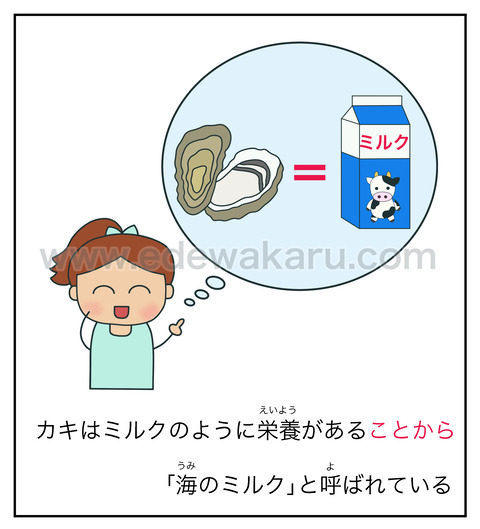
カキはミルクのように栄養があることから「海のミルク」と呼ばれている(復習:「海のミルク」)
→カキはミルクのように栄養があるという理由で「海のミルク」と呼ばれているOysters are called “milk of the sea” because they are nutritious like milk. (Review: “milk of the sea”) → Oysters are called “milk of the sea” for the reason that they are nutritious like milk.
道がぬれていることから、雨が降っていたとわかった
→道がぬれているので、雨が降っていたとわかったFrom the fact that the road was wet, I realized it had been raining. → The road was wet, so I realized it had been raining.
二人はとても似ていることから、兄弟だとわかった
→二人はとても似ているという事実から、兄弟だとわかったFrom the fact that the two look very alike, I realized they were siblings. → From the fact that the two look very alike, I realized they were siblings.
Read the original source text
Meaning
〜という理由で
〜から判断して
〜という事実から
How to use it
動詞・形容詞・名詞[普通形]+ことから
*な形容詞の現在肯定形は「ーなことから」「ーであることから」(例:きれいなことから・きれいであることから)
*名詞の現在肯定形は「ーであることから」(例:学生であることから)
Explanation
「〜ことから」は理由・根拠・由来などを表す文型で「〜という理由で」と言いたい時に使用されます。判断や根拠の理由を表す文型ですね😊よく使われる形がいくつかありますので、覚えておくと便利だと思います😉
[よく使われる形]
・
〜ことから…と呼ばれている
・
〜ことから…と言われている
(復習:〜と言われている・〜と見られている)
・
〜ことから…とわかる
かたい書き言葉ですので、ニュースなどで聞く機会が多いと思います😀
【「こと」シリーズ】
〜こと(命令)
〜ことか
〜ことから
〜ことがある
〜ことができる(可能)
〜ことができる(能力)
〜ことこの上ない
〜ことだ・〜ないことだ
〜ことだから
〜ことだし
〜ことで(Nのことで)
〜こととて
〜ことなしに
〜ことなく
〜ことに
〜ことにしている
〜ことにする
〜ことになっている
〜ことになる・〜こととなる
〜ことには
〜ことは〜が①(形容詞・名詞)
〜ことは〜が②(動詞)
〜ことはない
〜ことはならない
〜たことがある(経験)
〜だこと!
(〜は)〜てのこと
〜ても〜すぎることはない
〜ということだ
〜とのことだ
〜ないこともない
〜ないことには
〜なかったことがある
くらべてわかる日本語表現文型辞典
Meaning
Meaning 1: A serves as the basis or reason for B.
Meaning 2: A caused or gave rise to B, resulting in the state of B.
Meaning 3: First, A. Start with A. From the state of A, proceed to B.
How to use it
AことからB
[Verb] ことから
[い-adjective—plain form] ことから
[な-adjective—な / である / だった / ではない] ことから
Explanation
【Comparison 2】
“AことでB”
“AことでB” means that B occurs because of A, while “AことからB” expresses that A is the cause or starting point from which the situation B develops.
○カンニングが見つかったことで、ひどく叱られた。
×カンニングが見つかったことから、ひどく叱られた。
○カンニングが見つかったことから、前の成績まで疑われた。
“AことでB” can also mean accomplishing the goal B by means of A.
○注射を打つことで、病気を予防する。
×注射を打つことから、病気を予防する。
In context 12 examples
幹部が事件に関与していたことから、会社ぐるみの犯行と断定された。
Because executives had been involved in the incident, it was determined to have been a company-wide crime.
貝殻が多く発見されたことから、人が住む集落があったと考えられる。
Since many shells were found, it is thought there was a settlement where people lived.
太陽光発電は大気を汚さないことから、クリーンエネルギーとしての需要が高まっている。
Because solar power does not pollute the air, demand for it as clean energy is increasing.
血糖値が基準を大きく上回っていることから、糖尿病の疑いがある。
Because the blood sugar level is far above the standard, diabetes is suspected.
あそこに高層ビルが建ったことから、この辺りに日が射さなくなった。
Since a high-rise building was built over there, sunlight no longer reaches this area.
兄が同じ学部出身であったことから、教授に目をかけてもらった。
Because my older brother graduated from the same department, the professor took a special interest in me.
この町に大学が移転してくることから、若者向けのワンルーム・マンションの需要が見込めるだろう。
Since a university is moving to this town, demand for studio apartments aimed at young people can be expected.
この池は亀が多くいることから、「亀の池」と呼ばれている。
Because there are many turtles in this pond, it is called “Turtle Pond.”
感染予防に、まず手洗いをすることから習慣づけよう。
To prevent infection, let’s start by making handwashing a habit.
メールでは挨拶抜きに、伝えたいことから書くのが普通だ。
In emails, it is usual to skip the greeting and start with the main point.
設計の仕事は依頼者のライフスタイルを知ることから始まる。
Design work begins with learning about the client’s lifestyle.
親のスネをかじることから卒業しないと一人前とはいえない。
You cannot be considered an adult until you stop living off your parents.
Read the original source text
Meaning
意味1:Aが根拠・理由となってB。
意味2:Aが起因や由来となって、Bという状態になった。
意味3:まずはじめにA。Aから始める。Aという状態からB。
How to use it
AことからB
[動詞]ことから
[イ形-普]ことから
[ナ形-な/である/だった/ではない]ことから
Explanation
【対比2】
「AことでB」
「AことでB」はAが原因でBとなるのであるが、「AことからB」はAが起因、糸口となってBの事態へと拡がっていくことを表す。
○カンニングが見つかったことで、ひどく叱られた。
×カンニングが見つかったことから、ひどく叱られた。
○カンニングが見つかったことから、前の成績まで疑われた。
「AことでB」にはAという手段でBという目的を達成するという意味もある。
○注射を打つことで、病気を予防する。
×注射を打つことから、病気を予防する。
日本語NET JLPT文法解説まとめ
Meaning
Because of ~ / deriving from ~ / based on ~ as grounds for a judgment
How to use it
V (plain form) + ことから
イA (plain form) + ことから
ナAな / である / だった + ことから
Nである / だった + ことから
Explanation
from the fact that
Read the original source text
Meaning
〜が理由で / 〜が由来で / 〜が判断の根拠になって
How to use it
V(普通形)+ ことから
イA(普通形)+ ことから
ナAな / である / だった + ことから
Nである / だった + ことから
Explanation
from the fact that
毎日のんびり日本語教師
How to use it
Verb plain form + ことから
い-adjective plain form + ことから
な-adjective stem + な + ことから
Noun + である + ことから
Explanation
Expresses a cause, reason, or basis.
The second clause states a result reached on the basis of the cause or grounds given in the first clause.
Notes
Nothing in particular.
In context 6 examples
「ねこ」は昼間よく寝ることから、「寝子」と名付けられたことに由来する。
The name 「ねこ」 (“cat”) is said to derive from 「寝子」, because cats often sleep during the day.
人間ドックの「ドック」は犬という意味ではなく、船を修理・点検する英語の「dock」に由来することから、人に対する精密検査を表すようになった。(综合体检的“ドック”不是狗的意思,而是由修理、检查船只的英语中的“dock”而来,所以表示对人的精密检查。)
The 「ドック」 in 「人間ドック」 does not mean “dog”; it comes from the English word “dock,” where ships are repaired and inspected, and so came to refer to thorough medical examinations for people. (The “dock” in “comprehensive medical checkup” does not mean dog; it comes from the English word “dock,” referring to where ships are repaired and inspected, and thus came to mean a thorough examination for people.)
これらの内容を参考にしたことから生じたいかなる損害に対しても、一切の責任を負いかねます。
We accept no responsibility whatsoever for any damages arising from referring to this content.
近年児童数が急激に減少していることから、各地で公立小中学校の統廃合が進んでいる。
Because the number of children has been declining sharply in recent years, the consolidation and closure of public elementary and junior high schools is progressing in various areas.
この問題は緊急性が低いことから、今まであまり注目されてこなかった。
Because this issue is not very urgent, it has received little attention until now.
大量の警察官を動員していることから、今回のサミットの重要性が分かる。
The fact that a large number of police officers have been mobilized shows how important this summit is.
Read the original source text
How to use it
動詞普通形+ことから
い形容詞普通形+ことから
な形容詞語幹+な+ことから
名詞+である+ことから
Explanation
原因や理由、根拠を表します。
後項では、前項で示された原因や根拠によって導かれる結果が述べられます。
Notes
特になし
NINJAL 日本語文型データベース
Meaning
Used when saying that “〜” is the starting point or cause of a certain state, or when saying that a certain judgment or decision is based on “〜.”
How to use it
V ordinary form+ことから
i-A ordinary form+ことから
na-A ordinary form+ことから (however, “na-Aだ” → “na-Aな+ことから・na-Aである+ことから”)
N ordinary form+ことから (however, “Nだ” → “Nである+ことから”)
Notes
After “〜ことから,” a sentence expressing the speaker’s hope or intention, or one urging the listener to do something, does not follow.
In context 20 examples
絵の具の材料が当時のものと異なることから、この絵は後世に描かれた偽物であると見られる。
Because the materials used for the paint differ from those of the time, this painting is considered to be a fake painted in a later period.
今日未明、東区の住宅で火事があり、焼け跡から1人の遺体が見つかりました。この家に住む男性と連絡が取れなくなっていることから、警察は亡くなったのはこの男性とみて身元の確認を急いでいます。
A fire broke out in a home in the eastern district early this morning, and one body was found in the burned-out remains. Since contact with the man who lives in the house has been lost, the police believe the deceased is this man and are urgently working to confirm his identity.
決定的な証拠がないことから、被告人は無罪の判決を受けた。
Because there was no conclusive evidence, the defendant was found not guilty.
私が妹の日記を読んでしまったことから、妹と大げんかになった。
My younger sister and I had a huge fight because I read her diary.
林業が衰退し、山林の十分な整備が行われてこなかったことから、山崩れなどの災害が発生している。
Because forestry has declined and the forests have not been adequately maintained, disasters such as landslides are occurring.
市の財政が厳しいことから、市庁舎の建て替え計画は中止された。
The plan to rebuild city hall was canceled because the city’s finances are tight.
竹は成長が速いことから、子孫繁栄の象徴とされてきました。
Because bamboo grows quickly, it has long been considered a symbol of prosperity for one’s descendants.
インターネットの情報には不確かなものも少なくないことから、一人一人が正しく判断する能力を身につけることが重要になる。
Since much of the information on the internet is uncertain, it is important for each person to develop the ability to make sound judgments.
今年は梅雨時に雨が少なかったことから、みかんの甘みが例年より強くなっているということだ。
Apparently, because there was little rain during the rainy season this year, the mandarins are sweeter than usual.
白川郷は世界遺産に認定されるまでは、交通の便がよくなかったことから、観光化はあまり進んでいなかった。
Before Shirakawa-go was designated a World Heritage Site, tourism had not advanced very much because transportation there was inconvenient.
クリの木材は腐りにくく丈夫なことから、建物の土台にも用いられます。
Because chestnut wood is durable and does not rot easily, it is also used for building foundations.
藻類は培養が比較的容易であることから、バイオマスの原料として注目されている。
Because algae are relatively easy to cultivate, they are attracting attention as a biomass raw material.
邪馬台国は2〜3世紀に日本列島に存在したと言われる国だが、具体的な場所が明らかではないことから、様々な議論が展開されてきた。
Yamataikoku is said to have been a state that existed in the Japanese archipelago during the second to third centuries, but because its exact location is unknown, various discussions have taken place.
全ての人の意見が完全に一致するのは現実的でないことから、多数決などの手法で意思決定をするのが一般的である。
Because it is unrealistic for everyone’s opinions to agree completely, it is common to make decisions using methods such as majority vote.
調理者の手洗いが不十分だったことから、食中毒に感染した例が多く見られる。
Many cases of food poisoning have occurred because food handlers did not wash their hands adequately.
かつて喫煙は、ガンなどの重大な疾患との因果関係が明確ではなかったことから、それほど問題視されていなかった。
In the past, smoking was not seen as much of a problem because its causal relationship with serious diseases such as cancer was not clear.
東京の「国立」という地名は、「国分寺」と「立川」の間であることから名付けられた。
The Tokyo place name “Kunitachi” was given because it lies between Kokubunji and Tachikawa.
内縁関係の妻は法律上の妻ではないことから、原則として内縁の夫の財産を相続することはできない。
Since a common-law wife is not legally a wife, as a rule she cannot inherit her common-law husband’s property.
同じアイドルグループのファンだったことから、私たちは仲良くなり、よく一緒に行動していた。
Because we were fans of the same idol group, we became friends and often did things together.
希望する分野での専門性が高められる職場ではなかったことから、私は転職を決意した。
Because the workplace did not allow me to develop expertise in the field I wanted to work in, I decided to change jobs.
Read the original source text
Meaning
〜が発端・原因で、ある状態になると言いたいとき、また、〜を根拠に、ある判断・決定をすると言いたいときに使います。
How to use it
V普通形+ことから
i-A普通形+ことから
na-A普通形+ことから(ただし、「na-Aだ」→「na-Aな+ことから・na-Aである+ことから」)
N普通形+ことから(ただし、「Nだ」→「Nである+ことから」)
Notes
「〜ことから」の後には、話し手の希望・意向を表す文や相手への働きかけの文はきません。
どんなときどう使う 日本語表現文型辞典
Meaning
from the fact that
How to use it
〔Plain form〕(ナAな・ナAである/Nである)+ことから (because; based on the fact that)
Explanation
~が由来となって/~ことが理由で
ものの名前の由来や判断の根拠を言うときに用いる。「ところから」はほかにも理由があるという気持ちが加わる。 ❶ は由来、 ❷ ❸ は理由、 ❹ は判断の根拠を表す。
Origin of thing's name, or basis for judgment. Nuance that there are other external reasons is added when in pattern ところから. Sentence ❶ shows origin; sentences ❷ and ❸ , reason; sentence ❹ , basis for judgment.
In context 4 examples
この辺は桜の木が多いことから、桜木町と呼ばれるようになった。
Because there are many cherry trees around here, the area came to be called Sakuragicho.
彼は彼女の顔色が悪いことから、病気ではないかと思ったそうだ。
Apparently, because her complexion looked poor, he thought she might be ill.
彼女はアラビア語ができるということから、オリンピックの通訳に推薦された。
Because she can speak Arabic, she was recommended as an interpreter for the Olympics.
灰皿に煙の立っている吸い殻が残っていたところから、犯人はまだ遠くへは行っていないと判断された。
Because a cigarette butt with smoke rising from it had been left in the ashtray, it was concluded that the culprit had not gone far yet.
Read the original source text
Meaning
from the fact that
How to use it
〔普通形〕(ナAな・ナAである/Nである)+ことから
Explanation
~が由来となって/~ことが理由で
ものの名前の由来や判断の根拠を言うときに用いる。「ところから」はほかにも理由があるという気持ちが加わる。 ❶ は由来、 ❷ ❸ は理由、 ❹ は判断の根拠を表す。
Origin of thing's name, or basis for judgment. Nuance that there are other external reasons is added when in pattern ところから. Sentence ❶ shows origin; sentences ❷ and ❸ , reason; sentence ❹ , basis for judgment.