文法
Meaning
I thought ~, but in reality ...
How to use it
V(plain form)+ かと思いきや
イA(plain form)+ かと思いきや
ナA(plain form)+ かと思いきや
N(plain form)+ かと思いきや
Notes
① The 「か」 in 「〜かと思いきや」 can be omitted, giving 「〜と思いきや」.
② It conveys the speaker's feeling of surprise.
In context 8 examples
この映画はホラーかと思いきや、実はコメディ映画だった。
I thought this movie was a horror film, but it was actually a comedy.
逆転ゴールが決まったかと思いきや、審判のホイッスルがなり、オフサイドと判定された。
Just when it seemed a come-from-behind goal had been scored, the referee's whistle blew and it was ruled offside.
やっと、たまっていた仕事が片付いたかと思いきや、部長に新たな仕事を頼まれた。
Just when I thought I had finally finished the work that had piled up, the department head asked me to take on a new task.
ジェシカさんは2ヶ月前に会社を辞めたから帰国したのかと思いきや、日本人の男性と結婚して、生活していた。
I thought Jessica had returned to her home country after quitting the company two months ago, but she had actually married a Japanese man and was living here.
トムさんとジェームスさんはいつも一緒にいるから仲がいいのかと思いきや、実はそうでもなかった。
I thought Tom and James were close because they are always together, but it turned out that wasn't really the case.
試験は難しいと思いきや、思っていたよりも簡単だった。
I thought the exam would be difficult, but it was easier than I expected.
新しい取引先の担当者は怖い人かと思いきや、とても優しくて良い人だった。
I thought the person in charge at our new business partner was scary, but it turned out they were very kind and nice.
ロバートさんは日本人の奥さんがいるから、日本語が上手かと思いきや、全然話せなかった。
I thought Robert would be good at Japanese since he has a Japanese wife, but he couldn’t speak it at all.
Read the original source text
Meaning
〜と思ったが、実際は・・・
How to use it
V(普通形)+ かと思いきや
イA(普通形)+ かと思いきや
ナA(普通形)+ かと思いきや
N(普通形)+ かと思いきや
Notes
①「〜かと思いきや」の「か」を省略して「〜と思いきや」と言うこともできる。
②話し手の意外な気持ちが含まれる。
絵でわかる日本語
Meaning
just when I thought ~, unexpectedly ~ was the case
just when I thought ~, unexpectedly ~ happened
How to use it
Verb, adjective, or noun [plain form] + と思いきや
* When using the present affirmative form of a な-adjective or noun, use 「ーだと思いきや」
(e.g. 元気だと思いきや 学生だと思いきや)
Verb, adjective, or noun [plain form] + かと思いきや
* When attaching to the present affirmative form of a な-adjective or noun, use 「dictionary form + かと思いきや」
(e.g. 元気かと思いきや 学生かと思いきや)
Explanation
「〜と思いきや」 and 「〜かと思いきや」 are used when the outcome is the opposite of what was expected or predicted. 😌 This pattern is used when the result has already become clear, so the key point when using it is that it must be followed by the past tense, as in 「〜と思いきや…した」 or 「〜と思いきや…だった」. 😀 Also remember the form 「〜かと思いきや」, which adds 「か」 before 「〜と思いきや」.
Be careful, because the way it connects changes with な-adjectives and nouns. 😉
Many N1 grammar patterns are characteristic of written language… 😮 Advanced learners, work on using conversational patterns and written-language patterns appropriately. 😆
In context 5 examples
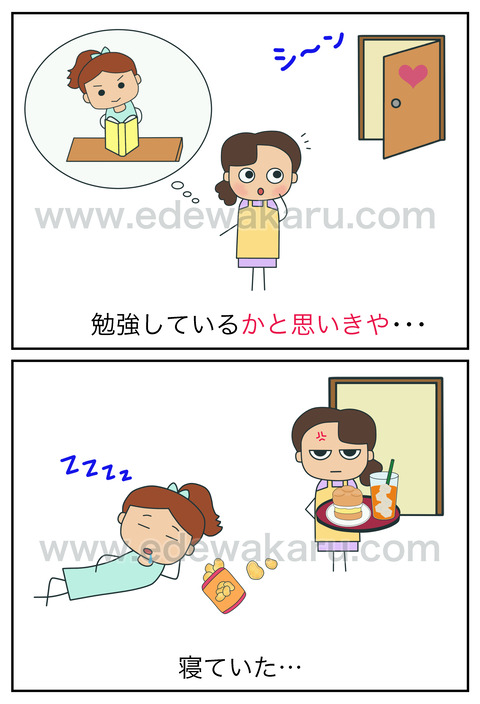
勉強しているかと思いきや、寝ていた
→勉強しているだろうと思ったら、実際は寝ていたJust when I thought he was studying, he was asleep. →I thought he was studying, but in fact he was asleep.
今日はずっといい天気だと思いきや、急に雨が降ってきた
→今日はずっといい天気だろうと思っていたら、急に雨が降ってきたJust when I thought the weather would stay nice all day, it suddenly started raining. →I thought the weather would stay nice all day, but then it suddenly started raining.
人気のパン屋さんだったのでおいしいかと思いきや、そうでもなかった
→人気のパン屋さんだったのでおいしいだろうと思ったら、そうでもなかったSince it was a popular bakery, I thought the food would be good, but it wasn’t really. →Since it was a popular bakery, I thought the food would be good, but it wasn’t really.
欲しがっていた(「〜欲しがっている」)指輪をあげたので喜ぶかと思いきや、なぜか怒りだした
→欲しがっていた指輪をあげたので、喜ぶだろうと思ったが、 なぜか怒りだしたI gave her the ring she’d wanted, so I thought she’d be happy, but for some reason she started getting angry. →I gave her the ring she’d wanted, so I thought she’d be happy, but for some reason she started getting angry.
20点以上の差があったのでAチームが優勝すると思いきや、Bチームが逆転勝利した
→20点以上の差があったのでAチームが優勝すると思っていたら、Bチームが逆転勝利したSince Team A was ahead by more than 20 points, I thought they would win, but Team B staged a comeback and won. →Since Team A was ahead by more than 20 points, I thought they would win, but Team B staged a comeback and won.
Read the original source text
Meaning
〜だろうと思ったら、意外にも…だった
〜だろうと思ったら、意外にも…した
How to use it
動詞・形容詞・名詞[普通形]+と思いきや
*な形容詞・名詞の現在肯定形を使用する場合は「ーだと思いきや」になる
(例:元気だと思いきや 学生だと思いきや)
動詞・形容詞・名詞[普通形]+かと思いきや
*な形容詞・名詞の現在肯定形につく場合は「辞書形+かと思いきや」になる
(例:元気かと思いきや 学生かと思いきや)
Explanation
「〜と思いきや」「〜かと思いきや」は予想・予測していたことと反対の結果が起こった時に使用されます😌この文型は、すでに結果が現れていることに使われますので、使用するときのポイントは、「〜と思いきや…した」「〜と思いきや…だった」というように、
後ろには必ず「た形」がくることです
😀また、「〜と思いきや」の前に「か」を入れて「〜かと思いきや」という形もありますので一緒に覚えておいてください。
な形容詞の場合と名詞は接続が変わりますので、気をつけてください
😉
N1の文法は書き言葉的なものが多いですね…😮上級レベルの人は会話でよく使う文型と、書き言葉の文型をうまく使い分けられるようにがんばってくださいね😆
日本語NET JLPT文法解説まとめ
Meaning
I thought ~, but in reality ...
How to use it
V(plain form)+ かと思いきや
イA(plain form)+ かと思いきや
ナA(plain form)+ かと思いきや
N(plain form)+ かと思いきや
Explanation
"I thought 〜, but in reality, ..."
Used to convey that something was expected or assumed to be one way, but in reality, it turned out to be quite different. It implies a contrast between what was anticipated and what actually happened.
① The 「か」 in 「〜かと思いきや」 can be omitted to say 「〜と思いきや」.
② It conveys the speaker's sense of surprise or unexpectedness.
① The 'か' in '〜かと思いきや' can be omitted to say '〜と思いきや.'
② "It conveys the speaker's sense of surprise or unexpectedness.
In context 2 examples
新しい取引先の担当者は怖い人かと思いきや、とても優しくて良い人だった。
I thought the person in charge at our new business partner was scary, but it turned out they were very kind and nice.
ロバートさんは日本人の奥さんがいるから、日本語が上手かと思いきや、全然話せなかった。
I thought Robert would be good at Japanese since he has a Japanese wife, but he couldn’t speak it at all.
Read the original source text
Meaning
〜と思ったが、実際は・・・
How to use it
V(普通形)+ かと思いきや
イA(普通形)+ かと思いきや
ナA(普通形)+ かと思いきや
N(普通形)+ かと思いきや
Explanation
"I thought 〜, but in reality, ..."
Used to convey that something was expected or assumed to be one way, but in reality, it turned out to be quite different. It implies a contrast between what was anticipated and what actually happened.
①「〜かと思いきや」の「か」を省略して「〜と思いきや」と言うこともできる。
② 話し手の意外な気持ちが含まれる。
① The 'か' in '〜かと思いきや' can be omitted to say '〜と思いきや.'
② "It conveys the speaker's sense of surprise or unexpectedness.
毎日のんびり日本語教師
How to use it
Verb plain form + かと思いきや/かと思ったら/かと思えば/かと思うと
い-adjective plain form + かと思いきや/かと思ったら/かと思えば/かと思うと
な-adjective stem + かと思いきや/かと思ったら/かと思えば/かと思うと
Noun + かと思いきや/かと思ったら/かと思えば/かと思うと
Explanation
Expresses that an unexpected or surprising event has occurred.
It conveys the speaker’s feelings of surprise or astonishment. For that reason, it cannot be used about oneself; it is always used about another person or the surrounding circumstances.
It can also be used alone as a conjunction. See example (2).
Expressions containing question words, such as 「(一体)何事かと思ったら」 (I wondered what on earth was going on), 「何が起きたのかと思ったら」 (I wondered what had happened), 「誰かと思ったら」 (I wondered who it was), and 「何かと思ったら」 (I wondered what it was), are used idiomatically. See examples (7) and (8).
Notes
Nothing in particular.
In context 8 examples
ここ最近暑くなったかと思えば気温が低くかったりの不安定な日が続いてます。
Recently, there have been a string of unstable days: just when it seems to have gotten hot, the temperature drops again.
雪が降った。かと思いきやすぐに止んだ。(刚一下雪就停了。)
It snowed. Just when I thought it had started, it stopped right away. (It stopped as soon as it started snowing.)
寒さが緩んだかと思えば、また厳しくなってきた。
Just when I thought the cold had eased, it got severe again.
怒られると思ったら慰められた。
I thought I was going to be scolded, but instead I was comforted.
今日こそ髪切りに行くかと思ったら、雨でした。
I thought today would finally be the day I went to get my hair cut, but it was raining.
お昼ご飯なくて買いに行こうと思ったら店長からお弁当もらった。
I had no lunch and was thinking of going out to buy some when the manager gave me a boxed lunch.
いきなり家に警察きて何事かと思ったら隣人が事件で亡くなったらしい。
The police suddenly came to my house, and I wondered what on earth had happened; apparently, my neighbor had died in an incident.
何事かと思ったらこういうことだったのか。用法② 並列
I wondered what on earth was going on, and it turned out this was what had happened. Usage ②: listing
Read the original source text
How to use it
動詞普通形+かと思いきや/かと思ったら/かと思えば/かと思うと
イ形普通形+かと思いきや/かと思ったら/かと思えば/かと思うと
ナ形語幹+かと思いきや/かと思ったら/かと思えば/かと思うと
名詞+かと思いきや/かと思ったら/かと思えば/かと思うと
Explanation
予想外な出来事、意外な出来事が発生したことを表します。
話者の驚きや意外の感情が含まれます。そのため、自分自身のことには使えません。必ず他人や周囲の状況に対して用います。
接続詞として単独で用いることもできます。例文(2)。
「(一体)何事かと思ったら」「何が起きたのかと思ったら」「誰かと思ったら」「何かと思ったら」等の疑問詞が含まれる表現は慣用的に用いられます。例文(7)(8)。
Notes
特になし
NINJAL 日本語文型データベース
Meaning
Used when you want to say that you expected “〜,” but in reality that was not the case. It conveys the speaker’s surprise or sense that something was unexpected.
How to use it
V plain form + かと思いきや
i-adjective plain form + かと思いきや
na-adjective plain form + かと思いきや (however, 「na-Aだ」 changes to 「na-A+かと思いきや」)
N plain form + かと思いきや (however, 「Nだ」 changes to 「N+かと思いきや」)
Other
Notes
“〜” is a sentence expressing the speaker’s expectation. After 「〜かと思いきや」 comes a sentence stating a fact.
In context 21 examples
今日の試合では、残り5分で1点リード。勝てるかと思いきや、あっという間に逆転された。
In today’s game, we’re leading by one point with five minutes left. I thought we could win, but our opponents turned the game around in no time.
赤い服なんて着たことがなかったが、勧められたので着てみた。似合わないかと思いきや、意外とよかった。
I’d never worn red clothes before, but I tried them on because someone recommended them. I thought they wouldn’t suit me, but they were surprisingly nice.
玄関のチャイムが鳴った。待っていた宅配便が来たかと思いきや、保険のセールスだった。
The doorbell rang. I thought the delivery I’d been waiting for had arrived, but it was an insurance salesperson.
小林君は今日も宿題をやってこなかったかと思いきや、宿題だけでなく予習までしてあった。
I thought Kobayashi hadn’t done his homework again today, but he had not only done it, he had even prepared for the next lesson.
まだ花見には早いかと思いきや、公園の桜はちらほら咲き始めていた。
I thought it was still too early for cherry blossom viewing, but the cherry trees in the park had begun to bloom here and there.
北海道は夏でも暑くないかと思いきや、場所によっては最高気温が30度を超える日もあるらしい。
I thought Hokkaido wouldn’t be hot even in summer, but apparently, depending on the area, there are days when the high exceeds 30 degrees.
姉が有名ブランドのバッグを買ったと言って、見せてくれた。さぞ高かったかと思いきや、ネットオークションで安く手に入れたのだと言う。
My older sister said she’d bought a bag from a famous brand and showed it to me. I thought it must have been expensive, but she said she got it cheaply at an online auction.
先週のテストはわからない問題があったので、点数がよくなかったかと思いきや、今までで最高点だった。
There were questions I couldn’t answer on last week’s test, so I thought I hadn’t gotten a good score, but it turned out to be my highest score ever.
コウスケ君は、体も大きいし、丈夫かと思いきや、すぐ風邪をひいたりしてけっこう学校を休む。
Kosuke is big and looks sturdy, but surprisingly, he catches colds easily and misses school quite a lot.
スマートフォンを持たずに1週間生活してみた。不便かと思いきや、ストレスがなく、むしろ快適だった。
I tried living for a week without a smartphone. I thought it would be inconvenient, but I had no stress and it was actually comfortable.
木村先生は厳しいので、期末試験もあまり簡単じゃないかと思いきや、それほど難しい問題は出なかった。
Since Mr. Kimura is strict, I thought the final exam wouldn’t be very easy, but there weren’t any particularly difficult questions.
15歳で芸能界デビューしたマユさん。学業との両立でさぞ大変だったかと思いきや、他ではできない経験ができて楽しかったと明るく話す。
Mayu made her debut in show business at age fifteen. One might think it must have been very hard to balance with her studies, but she speaks cheerfully about how much she enjoyed having experiences she couldn’t have had anywhere else.
林さんはおっとりしていて、昔からスポーツなんか得意じゃなかったかと思いきや、中学高校時代はサッカー部で活躍していたらしい。
Mr. Hayashi is easygoing, so I thought he probably hadn’t been good at sports, but apparently he was a star player on the soccer team in middle and high school.
この映画は面白かった。よくあるストーリーかと思いきや、意外な展開に驚いた。
This movie was interesting. I thought it would have the usual plot, but I was surprised by the unexpected turns.
このバッグはあまり実用的なデザインじゃないかと思いきや、意外と使いやすかった。
I thought this bag’s design wouldn’t be very practical, but it was surprisingly easy to use.
林さんは学生時代は優等生だったかと思いきや、あまり真面目ではなかったのだそうだ。
I thought Mr. Hayashi had been an honor student when he was a student, but apparently he wasn’t very serious.
昨日、この辺りは一日中雨だったので、隣の県もいい天気じゃなかったかと思いきや、快晴だったらしい。
It rained all day around here yesterday, so I thought the neighboring prefecture probably hadn’t had good weather either, but apparently it was clear.
木村さんはドイツのことを本当によく知っているので、留学でもしていたのかと思いきや、本で読んだだけだと言う。
Mr. Kimura knows so much about Germany that I thought he might have studied there, but he says he has only read about it in books.
漁港の町だから、海産物が安いのかと思いきや、そうでもなかった。
I thought seafood would be cheap because this is a fishing port town, but it wasn’t particularly cheap.
スミス先生は日本に20年も住んでいて、日本語がぺらぺらなのかと思いきや、いつも英語しか使わないから、あまり得意ではないそうだ。
Mr. Smith has lived in Japan for twenty years, so I thought he must speak Japanese fluently, but apparently he isn’t very good at it because he always uses only English.
この箱、いつまでも放ってあるから要らない物なのかと思いきや、大事な物が入っているのだと言う。だったら、早く片付けてほしい。
That box has been left sitting there forever, so I thought it was full of things no one needed, but apparently it contains something important. In that case, I wish they’d put it away soon.
Read the original source text
Meaning
〜と予想したが、実際はそうではなかったと言いたいときに使います。話し手の驚きや意外感を伝える言い方です。
How to use it
V普通形+かと思いきや
i-A普通形+かと思いきや
na-A普通形+かと思いきや(ただし、「na-Aだ」→「na-A+かと思いきや」)
N普通形+かと思いきや(ただし、「Nだ」→「N+かと思いきや」)
その他
Notes
「〜」には、話し手の予想を表す文がきます。「〜かと思いきや」の後には、事実を述べる文がきます。