AIUEO JLPT Grammar
Usage 1
Meaning
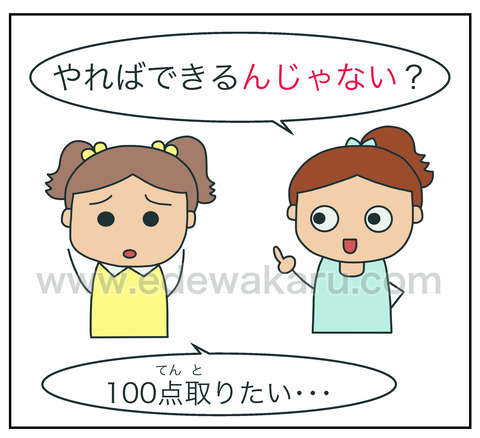
「〜んじゃない」is a casual form of 「〜のではない」used in informal contexts. The meaning and nuance can vary depending on the context, but it generally has three main uses:1.Prohibition or caution: It is used to give a non-official warning or prohibition, meaning “you should not do ~.”2.Speculation: It is used when making a guess or assumption about something.3.Casual question: It is used in a casual way to ask for someone’s opinion or about a situation.
How to use it
Verb ん + じゃない; adjective ん + じゃない; な-adjective ん or な-adjective なん + じゃない; noun ん or noun なん + じゃない
In context 5 examples
そんな危ないことをするんじゃない。
Don’t do something so dangerous.
彼、風邪をひいたんじゃない?
I think he might have caught a cold.
これ、本当に必要なんじゃない?
Isn’t this really necessary?
あれ、ちょっとおかしいんじゃない?
Isn’t that a bit strange?
あの店、もう閉まっているんじゃないかな。
I think that store might be closed already.
Read the original source text
Meaning
「〜んじゃない」is a casual form of 「〜のではない」used in informal contexts. The meaning and nuance can vary depending on the context, but it generally has three main uses:1.Prohibition or caution: It is used to give a non-official warning or prohibition, meaning “you should not do ~.”2.Speculation: It is used when making a guess or assumption about something.3.Casual question: It is used in a casual way to ask for someone’s opinion or about a situation.
How to use it
動詞ん+じゃない形容詞ん+じゃない形容動詞んor形容動詞なん+じゃない名詞んor名詞なん+じゃない
Explanation · 日本語
「〜んじゃない」は、「〜のではない」の変形で、カジュアルな場面で使われます。意味やニュアンスは文脈によって異なりますが、主に以下の三つの用法があります:1.禁止・注意:相手に対して「〜しないほうがいい」という意味で、非公式な警告や禁止を表現します。2.推測:何かについての推測や予想を述べるときに使われます。3.疑問:相手の意見や状況を尋ねるためのカジュアルな疑問形として使われます。
Usage 2
Meaning
This sentence pattern is a polite negative expression stating that noun 1 is not noun 2. In spoken language, 「〜では」 is often replaced with 「〜じゃ」, and 「ありません」 is commonly replaced with 「ないです」 in daily conversations. Similar to "… is not ...” in English.
How to use it
Noun 1 は + Noun 2 では + ありません
In context 5 examples
私は学生ではありません。
I am not a student.
彼女は医者ではありません。
She is not a doctor.
それは椅子じゃありません。
That is not a chair.
彼らは学生じゃないです。
They are not students.
彼の趣味は音楽ではないです。
His hobby is not music.
Read the original source text
Meaning
This sentence pattern is a polite negative expression stating that noun 1 is not noun 2. In spoken language, 「〜では」 is often replaced with 「〜じゃ」, and 「ありません」 is commonly replaced with 「ないです」 in daily conversations. Similar to "… is not ...” in English.
How to use it
名詞1は+名詞2では+ありません
Explanation · 日本語
この文型は、名詞1が名詞2でないことを述べる丁寧な否定表現です。口語では「〜では」を「〜じゃ」に置き換えることが多く、また「ありません」は日常生活では「ないです」と言うことが一般的です。
Bunpro Grammar Reference
Meaning
Don't, Mustn't, Shouldn't have
How to use it
Verb + んじゃない
Nuance
A slightly slangy expression used to prohibit an action by framing it as something that is not done.
Explanation
んじゃない is a slightly slang grammar pattern used with verbs to prohibit or request that something not be done. It will usually just be translated as 'don't do (A)', or 'you mustn't (A)'. んじゃない is almost always used from a higher position toward someone of a lower status. It may be used when the speaker is angry, but not always.
んじゃない is a combination of the case-marking particle の, and the abbreviated form of ではない, じゃない. It will connect to the dictionary form of verbs.
親に向かってそんなこと言うんじゃない。
Don't say something like that directed at your parents!
そこら辺のキノコを食べるんじゃない!
Don't eat the mushrooms from around there!
今日は混んでるからパパから離れるんじゃないぞ!
It's crowded today, so don't get separated from your dad!
Despite being slang, the slightly more formal version んじゃありません can also be seen occasionally. This variation is common when the speaker wants to forbid something, but not sound angry, such as when an adult is talking to a child.
勝手にお友達のものを取るんじゃありません。
You shouldn't just freely take your friend's things.
乳児にハチミツをあげるんじゃありません。
Don't give honey to infants.
The more literal translation of Verb + んじゃない is just 'it's not (verb)'. This sounds a bit strange in English, but might be similar to something like 'you're not (verb)', where a person is directly telling another what they shouldn't do.
It is also common to see the abbreviated ている form, てん, before じゃない.
いつまでもケラケラしながら話してんじゃない!
Don't keep laughing while you're talking!
一日中ダラダラしてんじゃない!いい加減、仕事でも探してこい!
Don't laze around all day! Get your act together and find a job!
Caution
When used in the past tense, んじゃなかった indicates that something 'should not have been done', and has a nuance of regret or disappointment that the action occurred.
こんな安い車を買うんじゃなかった。
I shouldn't have bought a cheap car like this.
あんな怪しい話に乗るんじゃなかった。
I shouldn't have gotten swept up in such a suspicious story.
Caution
When んじゃない comes at the end of a sentence, it will be important to listen to the intonation, as the statement may actually be a question. In this case, it is an abbreviation of んじゃないか.
本当は彼も来たかったんじゃない?
Really though, didn't he want to come too?
The difference between these two uses of んじゃない will usually be very clear. A question has a rising intonation, while an order will have a dropping intonation.
In context 22 examples
- 僕をバカにするんじゃない!
Don't make a fool of me!
- 親に向かってそんなこと言うんじゃない。
Don't say something like that directed at your parents!
- 乳児にハチミツをあげるんじゃありません。
Don't give honey to infants.
- いつまでもケラケラしながら話してんじゃない!
Don't keep laughing while you're talking!
- 一日中ダラダラしてんじゃない!いい加減、仕事でも探してこい!
Don't laze around all day! Get your act together and find a job!
- そこら辺のキノコを食べるんじゃない!
Don't eat the mushrooms from around there!
- 今日は混んでるからパパから離れるんじゃないぞ!
It's crowded today, so don't get separated from your dad!
- 勝手にお友達のものを取るんじゃありません。
You shouldn't just freely take your friend's things.
- 先生:「カンニングをするんじゃない!」
Teacher: 'Don't cheat!'
- 嘘をつくんじゃない。
You shouldn't lie.
- あなた、仕事をサボるんじゃありません。
Hey, don't skip work.
- まだ子供ですよ。門限を破るんじゃありません。
You're still a kid. Don't break curfew!
- 生意気を言ってんじゃない。
Don't say cheeky things!
- 見栄を張ってんじゃない。逆にカッコ悪いぞ。
Don't show off. On the contrary, it's uncool!
- 大学を中退するんじゃなかった…。
I shouldn't have dropped out of university…
- 事故を起こした…スピードを出すんじゃなかった。
I shouldn't have sped up… It caused an accident.
- パチンコに行ってお金を無駄にするんじゃない!
Don't go to pachinko and waste money!
- もう体はボロボロだ。違法な薬物をやるんじゃなかった…。
My body is wrecked. I shouldn't have taken illegal drugs…
- 上級生:「下級生が調子に乗ってんじゃない!」
Upperclassmen: 'Lowerclassmen, don't get carried away!'
- こんな安い車を買うんじゃなかった。
I shouldn't have bought a cheap car like this.
- あんな怪しい話に乗るんじゃなかった。
I shouldn't have gotten swept up in such a suspicious story.
- 本当は彼も来たかったんじゃない?
Really though, didn't he want to come too?
Read the original source text
Meaning
Don't, Mustn't, Shouldn't have
How to use it
Verb + んじゃない
Nuance
A slightly slangy expression used to prohibit an action by framing it as something that is not done.
Explanation
んじゃない is a slightly slang grammar pattern used with verbs to prohibit or request that something not be done. It will usually just be translated as 'don't do (A)', or 'you mustn't (A)'. んじゃない is almost always used from a higher position toward someone of a lower status. It may be used when the speaker is angry, but not always.
んじゃない is a combination of the case-marking particle の, and the abbreviated form of ではない, じゃない. It will connect to the dictionary form of verbs.
親に向かってそんなこと言うんじゃない。
Don't say something like that directed at your parents!
そこら辺のキノコを食べるんじゃない!
Don't eat the mushrooms from around there!
今日は混んでるからパパから離れるんじゃないぞ!
It's crowded today, so don't get separated from your dad!
Despite being slang, the slightly more formal version んじゃありません can also be seen occasionally. This variation is common when the speaker wants to forbid something, but not sound angry, such as when an adult is talking to a child.
勝手にお友達のものを取るんじゃありません。
You shouldn't just freely take your friend's things.
乳児にハチミツをあげるんじゃありません。
Don't give honey to infants.
The more literal translation of Verb + んじゃない is just 'it's not (verb)'. This sounds a bit strange in English, but might be similar to something like 'you're not (verb)', where a person is directly telling another what they shouldn't do.
It is also common to see the abbreviated ている form, てん, before じゃない.
いつまでもケラケラしながら話してんじゃない!
Don't keep laughing while you're talking!
一日中ダラダラしてんじゃない!いい加減、仕事でも探してこい!
Don't laze around all day! Get your act together and find a job!
Caution
When used in the past tense, んじゃなかった indicates that something 'should not have been done', and has a nuance of regret or disappointment that the action occurred.
こんな安い車を買うんじゃなかった。
I shouldn't have bought a cheap car like this.
あんな怪しい話に乗るんじゃなかった。
I shouldn't have gotten swept up in such a suspicious story.
Caution
When んじゃない comes at the end of a sentence, it will be important to listen to the intonation, as the statement may actually be a question. In this case, it is an abbreviation of んじゃないか.
本当は彼も来たかったんじゃない?
Really though, didn't he want to come too?
The difference between these two uses of んじゃない will usually be very clear. A question has a rising intonation, while an order will have a dropping intonation.
Nuance · 日本語
特定の行為を「してはいけないこと」と決めつけ、その行為を禁止すると言うことを表す際に使われる、スラング的な表現。
Explanation · 日本語
「んじゃない」は動詞につなげて使われるくだけた表現です。何かを禁止したり、やめるように伝えるときに「(A) するな」という意味で使われます。基本的に目上の人が目下の人に対して使います。怒っているときに使われることが多いですが、そうでないこともあります。
「んじゃない」は、助詞「の」と、「ではない」を短くした形の「じゃない」からできています。動詞に直接付けて使われます。
親に向かってそんなこと言うんじゃない。
Don't say something like that directed at your parents!
そこら辺のキノコを食べるんじゃない!
Don't eat the mushrooms from around there!
今日は混んでるからパパから離れるんじゃないぞ!
It's crowded today, so don't get separated from your dad!
少し丁寧に言いたいときは、「んじゃありません」が使われます。これは大人が子どもに注意するときなど、怒っているような印象を与えないで何かをやめさせたいときによく使われます。
勝手にお友達のものを取るんじゃありません。
You shouldn't just freely take your friend's things.
乳児にハチミツをあげるんじゃありません。
Don't give honey to infants.
動詞+「んじゃない」は、形だけ見ると「〜ではない」という否定の文ですが、実際にはその動作を「してはいけない」という禁止の意味を表します。
「てんじゃない」という形もよく使われます。「てん」は「ている」が短くなったものです。
いつまでもケラケラしながら話してんじゃない!
Don't keep laughing while you're talking!
一日中ダラダラしてんじゃない!いい加減、仕事でも探してこい!
Don't laze around all day! Get your act together and find a job!
注意点
過去形の「んじゃかった」は、「すべきではなかった」や「しなければよかった」という意味を表します。主に自分がしたことを、よくなかったと思うときに使われます。
こんな安い車を買うんじゃなかった。
I shouldn't have bought a cheap car like this.
あんな怪しい話に乗るんじゃなかった。
I shouldn't have gotten swept up in such a suspicious story.
注意点
「んじゃない」が文の終わりで使われたときは、イントネーションに気をつけましょう。このような「んじゃない」は、確認や疑問を表す「んじゃないか」を省略した形であることがあるからです。
本当は彼も来たかったんじゃない?
Really though, didn't he want to come too?
「んじゃない」が疑問を表す場合は文の終わりのイントネーションが上がりますが、禁止を表す場合は下がります。そのため、この二つの違いは聞けばすぐにわかるでしょう。
どんなときどう使う 日本語表現文型辞典
Meaning
don't…
How to use it
Vる + んじゃない S
Explanation
~てはいけない
1)禁止の言い方。「ない」の部分を下降調で言う。話し言葉で、親が子に言うような場面でよく使われる。
2)男性がよく使う。女性は丁寧体の「のではありません」または「んじゃありません」を使うことが多い。最後に「よ」をつけると軟らかくなる。
1)Injunction. ない is said in falling tone. Spoken form often used by parents to children.
2)Often used by men. Women use polite のではありません, or んじゃありません. Addition of suffix よ softens state-ment.
In context 3 examples
父:走り回るんじゃない。本でも読んで、少し静かにしていなさい。
Father: Don’t run around. Read a book or something, and stay quiet for a while.
兄:電車の中で大声で話すんじゃない。
Older brother: Don’t talk loudly on the train.
食べ物の好き嫌いを言うんじゃありませんよ。
Don’t complain about being picky with food, okay?
Read the original source text
Meaning
don't…
How to use it
Vる+んじゃないS
Explanation
~てはいけない
1)禁止の言い方。「ない」の部分を下降調で言う。話し言葉で、親が子に言うような場面でよく使われる。
2)男性がよく使う。女性は丁寧体の「のではありません」または「んじゃありません」を使うことが多い。最後に「よ」をつけると軟らかくなる。
1)Injunction. ない is said in falling tone. Spoken form often used by parents to children.
2)Often used by men. Women use polite のではありません, or んじゃありません. Addition of suffix よ softens state-ment.
絵でわかる日本語
日本語文型辞典
Meaning
A casual form of “のではないか.” Spoken with rising intonation. んじゃないの is also possible, as in ②. Men also use んじゃないか. The polite form is んじゃありません.
See: ではないか2
An expression prohibiting the listener from doing something. Spoken with falling intonation. Colloquial. More often used by men. Women more often use the polite form んじゃありません.
How to use it
んじゃない
N/Na(なん)じゃない
A/V んじゃない
V-るんじゃない
In context 10 examples
あの人、山田さんなんじゃない?
Isn’t that person Mr. Yamada?
ほら、顔があかくなった。あなた山田さんが好きなんじゃないの?
Look, your face has gone red. You like Mr. Yamada, don’t you?
それ、いいんじゃない?悪くないと思うよ。
That’s good, isn’t it? I don’t think it’s bad.
かぎ?テーブルの上にあるんじゃない?
The key? It’s on the table, isn’t it?
佐藤さん?もう帰ったんじゃない?
Mr. Sato? He’s already gone home, isn’t he?
そんなところで遊ぶんじゃない。
Don’t play in a place like that.
電車の中で走るんじゃない!
Don’t run inside the train!
そんなきたないものを口にいれるんじゃない!
Don’t put such a dirty thing in your mouth!
そんな小さい子を突き飛ばすんじゃない!
Don’t push over such a little child!
いじめられて大きな心の傷を負っている子供に対して、そんなに頭ごなしに「もっと強くなれ」だなんて言うんじゃないよ。
Don’t bluntly tell a child who has been bullied and suffered deep emotional wounds, “You need to toughen up.”
Read the original source text
Meaning
「のではないか」のくだけた形。上昇調のイントネーションで発せられる。②のように「んじゃないの」も可能。男性はこのほかに「んじゃないか」も使う。丁寧形は「んじゃありません」
⇾ではないか2
聞き手の行為を禁止する表現。下降調のイントネーションで発せられる。話しことば。男性の方がよく使う。女性は丁寧形の「んじゃありません」を使うことの方が多い。
How to use it
んじゃない
N/Na(なん)じやない
A/V んじゃない
V-るんじゃない
日本語文型辞典 英語版
Meaning
An informal form of のではないか. Pronounced with a rising intonation. As in example
(2)
, んじゃないの can also be used. Men also use んじゃないか. In polite Japanese it becomes んじゃありません.
→
Used to prohibit the listener’s actions. Pronounced with a falling intonation. A spoken expression used more often by men. Women often use the polite form んじゃありません.
How to use it
1. isn’t it ...?[N/Na (なん)じゃない][A/V んじゃない]
2. don’t V-る; you must not V-る
In context 10 examples
あの人、山田さんなんじゃない?
Isn’t that person Yamada-san?
ほら、顔があかくなった。あなた、山田さんが好きなんじゃないの?
Hey, you’re blushing! Is it because you like Yamada-san?
それ、いいんじゃない? 悪くないと思うよ。
It is good, isn’t it? I don’t think it’s bad.
かぎ? テーブルの上にあるんじゃない?
The key? Isn’t it on the table?
佐藤さん? もう帰ったんじゃない?
Sato-san? Hasn’t she already gone home?
そんなところで遊ぶんじゃない。
Don’t play in that sort of place!
電車の中で走るんじゃない!
No running inside the train!
そんなきたないものを口にいれるんじゃない!
Don’t put such a dirty thing in your mouth!
そんな小さい子を突き飛ばすんじゃない!
Don’t push such a little child!
いじめられて大きな心の傷を負っている子供に対して、そんなに頭ごなしに「もっと強くなれ」だなんて言うんじゃないよ。
You shouldn’t keep saying things like “be stronger!” so unrelentingly to a child who has been bullied and who bears such major emotional scars.
Read the original source text
Meaning
An informal form of のではないか. Pronounced with a rising intonation. As in example
(2)
, んじゃないの can also be used. Men also use んじゃないか. In polite Japanese it becomes んじゃありません.
→
Used to prohibit the listener’s actions. Pronounced with a falling intonation. A spoken expression used more often by men. Women often use the polite form んじゃありません.
How to use it
1. んじゃない[N/Na (なん)じゃない][A/V んじゃない]
2. V-るんじゃない
IMABI
Copular Sentences II
Read this IMABI lesson ↗Explanation
Copular Sentences II: Polite Speech
コピュラ文(丁寧体)
While Lesson 10 focused on forming basic copular sentences in plain speech, this lesson will teach you how to create those same sentences in polite speech.
Most Japanese language instruction begins with polite speech, but in いまび, we are approaching it second to follow a learning pattern that more closely mirrors the natural language acquisition process of native speakers.
Polite speech (丁寧語) is an essential part of Japanese, but it can be challenging to master. One of the first difficulties is determining when to use polite speech.
Everyday Interactions: Polite speech is typically used in most everyday interactions with people who are neither family members nor close friends.
Distancing Tone: It can also be employed to create a sense of emotional or social distance from the listener(s).
Setting Formality: Polite speech is frequently used to establish a formal tone, such as in news articles or during broadcasts, mirroring the style of on-air reporting.
By recognizing these contexts, you will begin to understand when and why polite speech is appropriate.
Terminology Recap
Before diving into the main discussion, let’s review the essential grammar terms you will need to understand as we move forward.
Subject: The person/thing that performs the action or exhibits the description found in the predicate.
Predicate: The part of a sentence that makes a statement about the subject.
Copula: A word used to link the subject and predicate of a sentence.
Noun: In its most basic definition, a word that refers to a person, place, thing, event, substance, or quality.
Auxiliary: An ending that helps construct verbal conjugations.
Independent Clause: A phrase that stands alone as a complete sentence.
Plain Speech: Refers to the entire plain speech register in Japanese grammar.
Plain Style: Is the plain speech rendition of any given phrase.
Plain Form: The basic form of any given phrase.
Polite Speech: Refers to the entire polite speech register in Japanese grammar.
Polite Style: Is the rendition of polite speech with any particular phrasing.
Polite Form: Refers to polite speech conjugations.
Before getting into the main discussion, the terminology used throughout this lesson in relationship to the base-ending conjugation system are as follows:
Base: One of the six forms that a conjugable part of speech (verb, adjective, auxiliary verb, etc.) may take which is then followed by endings (auxiliaries, etc.).
Terminal/Predicative Form: Known in Japanese as the 終止形, it marks the end of a complete sentence/the predicate.
Attributive Form: Known in Japanese as the 連体形, it is used to make a verb, adjective, etc. into a modifier that goes directly before a noun.
Basic Form: The basic form of any given phrase, in other words, is utilized in plain speech as well as in many grammatical circumstances. The basic form encompasses both the predicative and the attributive forms in the context of verbs and adjectives.
Continuative Form: Known in Japanese as the 連用形, it is used with endings pertaining to actions (being) carried out.
Rule of Thumb
In Japanese, there is a rule of thumb that the longer a phrase is, the politer it is. Meaning, if there are two or more options when conjugating for something in polite speech, the longer phrase will always be the politer version. Keep this in mind as we learn the various polite forms of the copula.
The Copula Verb です
The polite copula verb in Japanese, です1, also directly translates to the various forms of “to be” in English which Japanese grammar does not distinguish: “to be,” “is,” “am,” “are,” and “will be.”
Basic Sentence Structure w/ です
Just as with だ, the basic sentence structure remains “X is Y” in polite speech, which will mostly be limited to noun-predicates in this lesson. In polite speech, this pattern is rendered as:
XはYです2。
It is important to note that XですY is NEVER correct. In this pattern, です is in its predicative form (終止形), and it must always appear at the end of the sentence.
The purpose of polite speech, and the reason one would choose です over だ, is to establish social distance between the speaker and listener. This helps maintain civility and conveys an overall sense of politeness in the conversation.
Pronunciation Note: In Standard Japanese, the /u/ sound in です is typically devoiced. Devoicing is less likely to happen in more formal sentences and in the speech of speakers born outside of East Japan.
The Non-Past Form (Polite)
非過去形(丁寧体)
The non-past/basic form (非過去形・基本形) of the copula verb です encompasses both the present and future tense forms3 as well as the base form of the English copula verb “to be.”
FormEnglishJapanese
Baseto beです
Present Tenseam/are/isです
Future Tensewill beです
In the example sentences that follow, we will see how XはYです can stand for the present tense and the future tense. In doing so, です in its “predicative form,” as it is at the end of the sentence and constitutes the main clause (主節) of the sentence. Thankfully, no other clauses but the main clause are involved here.
Non-Past = Present Tense
1. ここは神社です。
This place here is a Shinto shrine.
2. 李さんは台湾人です。
[Mr./M(r)s.] Lee is Taiwanese.
3. あなた出番です4!
Hey you, [you’re up/it’s your turn].
4. えっと5、あの人は日本人です。
Um, that person over there is Japanese.
5. それ6は蛇ですよ7。
That’s a snake.
Pronunciation Note: The /u/ in ですよ is actually fully pronounced because the vowel is being followed by a voiced sound, the consonant /y/.
6. はい、そう8です。
Yes, that’s right.
Literally: Yes, that is so.
Grammar Note: While そう is not a noun, it demonstrates how です can appear after a handful of adverbs that describe a specific state which has some level of tangibility to the speaker.
Phrase Note: はい is the Japanese equivalent of “yes” in “yes/no” contexts. However, it is often used more broadly to indicate active listening during a conversation. This cultural practice shows attentiveness and respect to the speaker. If you have watched anime or observed Japanese interactions, you might have noticed listeners frequently saying はい as the conversation progresses. This habit emphasizes engagement and understanding rather than mere agreement. We will explore はい and similar phrases in greater detail later on.
Non-Past = Future Tense
As can be deduced from these examples, English also exhibits fluctuation between “is” and “will be” in certain contexts, particularly when referring to established dates or future events. This parallels how です encompasses both the present and future tense in Japanese.
7. 卒業式は今週です。
Graduation [is/will be] this week.
8. 会合は明日です。
The assembly [is/will be] tomorrow.
9. 終了日は木曜日です。
The end date [is/will be] Thursday.
10. もうすぐです。
It will be soon.
Grammar Note: もうすぐ is also an adverb, but the grammar is the same as Ex. 6.
Omitting Xは
Omitting Xは from the pattern XはYです is incredibly common. This is especially the case when the subject of the corresponding English sentence is the often meaningless pronoun “it.”
11. 青ネギですよ。
(It)’s a green onion.
12. 時間です。
(It)’s time.
Omitting です
Since です marks politeness, it is rarely removed from a sentence. However, there are contexts where its omission might be acceptable. For instance, if the speaker and listener are on respectful but familiar terms, the use of です may be dropped.
Great care must be taken when omitting です, as it serves as a politeness cushion. Without it, the resulting phrase may come across as too direct or abrupt, potentially affecting the tone of the conversation.
13. それは一緒(です)。
That’s the same.
Grammar Note: 一緒 is an adjectival-noun which usually means “together,” but here it is used in its second most used meaning of “same/identical.”
The Polite Past Tense Form
過去形(丁寧体)
The past tense form (過去形) is created by adding the auxiliary verb ~た to the continuative form (連用形) of a conjugatable part of speech. In this case:
The continuative form of です is でし.
Adding ~た results in でした.
The continuative form is used in this construction because of how it pertains to things (being) carried out, which includes situations that are already over.
FormConjugationBaseAuxiliary
Non-Pastですです (predicative)n/a
Pastでしたでし (continuative)~た
Variation Note: Some speakers may use だったです (△) instead of でした. However, this form is generally considered incorrect by most native speakers and is regarded as dialectal at best.
Grammaticality Marker Note: The △ symbol indicates speech that is unnatural but not necessarily ungrammatical.
14. きのうは月曜日でした。
Yesterday was Monday.
15. 伊藤先生はわたしの日本語101の先生でした。
Ito Sensei was my Japanese 101 teacher.
16. 父は弁護士でした。
My father was a lawyer.
The Meaningless “There”
In English, the word “there” can also be used as a placeholder for the grammatical subject. Japanese does not have such grammatical subject place holders, but the way Japanese indicates that something exists in a particular situation may still involve the basic copular sentence pattern XはY+{だ・です}. One way of reconciling this difference is by translating は as “as for” so that, at the very least, the placements of X and Y are more or less where they are in English.
17. 日本人は2人でした。
There were two Japanese people.
Literally: As for Japanese people, there were two people.
X = 日本人; Y = 2人.
18. 中国人は1人でした。
There was one Chinese person.
Literally: As for Chinese people, there was one person.
X = 中国人; Y = 1人.
This logic also helps us with examples like the following in which ”X was Y” is not quite the most natural wording in English but remains grammatical and parallel to the Japanese phrasing. This includes situations with the subject holder “it” that we learned about in Lesson 10.
19. 夕ご飯はカレーでした。
There was curry for dinner.
Literally: Dinner was curry.
20. きのうは雨でした。
It was rainy yesterday.
Literally: Yesterday was rain.
Nuancing of the Past Tense Form
In Japanese, the past tense form does not always indicate an event or state that occurred in the past. In some cases, it may be used simply to convey information rather than a literal past event/state.
This is the case in Ex. 21 in which the speaker is confirming that the individual in question fits the description of a policeman, and it is assumed that the person is no longer present as direct proof. Whether the man is no longer a policeman (#), while a possible interpretation, would only make sense in contexts talking about the man’s past.
21. あの男は警察官でした。
That man was a policeman. (Confirmation)
#That man was a policeman. (Literal Past State)
Ex. 22, meanwhile, is an example where only the confirmatory nuancing of the past tense form makes sense, for natural reasons.
22. あの子は男の子でした。(Confirmation)
That child was a boy.
The Japanese past tense form also covers the “past perfect tense.” In English, the copula “to be” takes the form of “had been” in this tense. In both languages, this “past perfect tense,” also known as the “pluperfect tense,” is accompanied with a time phrase to establish that the state in question had been true for a certain period of time in the past.
23. テイラー君9は、当時は学生でした。
Taylor-kun had been a student back then.
24. ニュースでした。
This has been the news.
The Polite Negative Forms
否定形(丁寧体)
When creating the negative form (否定形)—”is not/are not”—in polite speech, you have two routes at your disposal. While the first method is more practical in conversation, the second method is longer and considered politer.
Method 1: 【では・じゃ】ない+~です
The first and simpler method involves attaching です to the predicative form (終止形) of ではない or じゃ10ない. While it may appear that two copula verb forms are being used together, in this case, です functions solely as a politeness marker.
25. これは本【では・じゃ】ないです。
This [is not/isn’t] a book.
Method 2: 【では・じゃ】ありません
The second, more formal method replaces ない with its polite form, ありません. This creates ではありません, which is significantly politer than the first method. Its contracted version, じゃありません, maintains a similar level of politeness but is less formal.
26. これは本【では・じゃ】ありません。
This [is not/isn’t] a book.
The Informal Nature of Contractions
While contractions such as では → じゃ are very common in conversations, both in plain speech and polite speech, it is generally best to avoid such contractions altogether when speaking to those of high importance to whom formal etiquette is expected. Likewise, such contractions are typically absent in writing (excluding text messaging in which a casual tone may conversely be more appropriate).
Non-Past Past Negative
だ (plain)だった (plain)じゃない (plain, casual)
です (polite)だったです △ (polite, dialectal)ではない (plain)
でした (polite)じゃないです (polite, casual)
ではないです (polite, casual)
じゃありません (polite, spoken)
ではありません (formal)
Etymology Note: ある is the basic existential verb in Japanese, embedded in the etymologies of all copular phrases. ない, on the other hand, has always existed as the antonym of ある.
27. 私は中学生ではないです。
I am not a junior high student.
28. 彼女はお医者さんではないです。
She is not a doctor.
29. 彼は高校生ではないです。
He is not a high school student.
30. 健太君は小学生じゃないです。
Kenta-kun isn’t an elementary student.
31. あれはオオカミじゃないです。
That isn’t a wolf.
32. 彼は議員ではありません。
He is not a legislator.
33. 花田さんは大学生ではありません。
Mr. Hanada is not a college student.
34. あれは偽物ではありません。
That is not a fake.
35. 彼は英雄じゃありません。
He isn’t a hero.
36. それは間違いじゃありません。
That isn’t a mistake.
37. いいえ、そうじゃありません。
No, that isn’t so.
The Polite Negative-Past Forms
過去の否定形(丁寧体)
The two methods for creating the negative form in polite speech also extend to their respective past tense forms. As before, the shorter forms are less polite compared to the longer forms, and the informal nature of the contraction じゃ plays also remains the same.
Method 1: 【では・じゃ】なかった+~です
For the casual version, simply add the politeness marker ~です to the negative-past form ではなかった or its contracted version じゃなかった.
38. あれは犬【では・じゃ】なかったです。
That [was not/wasn’t] a dog.
Method 2: 【では・じゃ】ありませんでした
For the politer version, attach でした to ありません, the polite form of ない, resulting in ではありませんでした or its contracted version じゃありませんでした.
39. あれは間違い【では・じゃ】ありませんでした。
That [was not/wasn’t] a mistake.
Non-PastPast Negative Negative-Past
だ
(plain)だった
(plain)じゃない
(plain, casual)じゃなかった
(plain, casual)
です
(polite)だったです △ (polite, dialectal)ではない
(plain)ではなかった
(plain)
でした
(polite)じゃないです
(polite, casual)じゃなかったです(polite, casual)
ではないです(polite, spoken)ではなかったです(polite, spoken)
じゃありません
(politer, spoken)じゃありませんでした
(politer, spoken)
ではありません
(formal)ではありませんでした
(formal)
40. 昨日は休みではなかったです。
Yesterday was not a holiday.
41. 昨日は日曜日ではなかったです。
Yesterday was not Sunday.
42. それは五円玉ではなかったです。
That was not a five-yen coin.
43. これは模擬試験じゃなかったです。
This wasn’t a mock exam.
44. 冗談じゃなかったですよ。
It wasn’t a joke.
45. 奇跡じゃなかったですよ。
It wasn’t a miracle.
46. (そこは)食堂ではありませんでした。
(That/it) was not a diner.
47. 田中さんは先生ではありませんでした。
Mr. Tanaka was not a teacher.
48. 小田さんは住民ではありませんでした。
Mr. Oda was not a resident.
49. 昼ご飯はお握りじゃありませんでした。
Lunch wasn’t onigiri.
50. それはコーヒーじゃありませんでした(よ)。
That wasn’t coffee.
51. あれは猿じゃありませんでした(よ)。
That wasn’t a monkey.
Recap
This lesson highlights that polite speech can be quite complex, as there are multiple forms that vary depending on how polite the speaker wishes to be. To better understand this complexity, here are two important rules of thumb:
です lacks an attributive form (連体形):
This means it cannot be used anywhere except at the end of a sentence.
Politeness markers generally lack an attributive form (連体形) in prescriptive Standard Japanese. As a result, politeness is typically marked only at the end of the main clause, rather than in each subordinate clause.
These rules of thumb simplify sentence construction and help avoid common beginner mistakes.
Previous Lesson
Next Lesson
だ and です are irrefutably etymologically related despite misinformation regarding the issue. Both derive from contractions involving different supplementary existential verbs fusing with a common copular root – だ being the contraction of である and です being the contraction of でございます. ↩︎
が marks the subject in the “deep structure” of all clauses, which reflects the grammatical rules which govern how the language works but may not always be reflected in how a sentence may be rendered when spoken. Until we learn how が and は overtly contrast (see Lessons 12-13), we will forgo discussing further into what this all entails. ↩︎
“Tense” in Japanese is 時制, whereas ~形 means “form.” When referring to which tense something is being used for, the terms 現在形 (present tense form) and 未来形 (future tense form) are used just as much as 非過去形 (non-past tense form) so as to better relate how a Japanese sentence ought to be interpreted back into English. ↩︎
あなた出番です! was the name of a popular variety show in the 1960s. 出番 means “turn” and the phrase in Ex. 3 essentially tells the person that it is their time on stage. The use of あなた here is more like “hey you.” To more literally say, “it’s your turn,” you would say, あなたの出番です. ↩︎
えっと, also ええと is one of the ways to say “um/uh” in Japanese. Another common way is あの, which has an initial rising intonation which then falls. It is often elongated as あのう・あのー・あのぉ. ↩︎
The use of それ instead of あれ indicates that the snake is closer to the listener than the speaker. Or, it could indicate that the speaker and listener are looking at a photo of a snake that is unknown to the listener. ↩︎
The particle よ is a final particle, meaning it appears at the end of a sentence to convey an emotionally driven nuance. Importantly, final particles do not alter the conjugations that precede them. よ is used to emphasize that the information being shared is new or important to the listener. However, it is important to use よ sparingly, as overuse can give the impression that you are underestimating the listener’s knowledge or intelligence. ↩︎
The adverb そう is often translated as “so,” but its usage extends beyond this simple equivalence. While it may stand for the “so” in “that is so,” it can also indicate degree as in “like that.” ↩︎
~君 is often added affectionately to male names. Ironically, it is also used in the sense of “Sir/Madam” in parliamentary speech. ↩︎
Remember that じゃ is the casual speech contraction of では. ↩︎
In context 51 examples
ここは神社です。
This place here is a Shinto shrine.
李さんは台湾人です。
[Mr./M(r)s.] Lee is Taiwanese.
あなた出番です4!
Hey you, [you’re up/it’s your turn].
えっと5、あの人は日本人です。
Um, that person over there is Japanese.
それ6は蛇ですよ7。
That’s a snake.
はい、そう8です。
Yes, that’s right.
卒業式は今週です。
Graduation [is/will be] this week.
会合は明日です。
The assembly [is/will be] tomorrow.
終了日は木曜日です。
The end date [is/will be] Thursday.
もうすぐです。
It will be soon.
青ネギですよ。
(It)’s a green onion.
時間です。
(It)’s time.
それは一緒(です)。
That’s the same.
きのうは月曜日でした。
Yesterday was Monday.
伊藤先生はわたしの日本語101の先生でした。
Ito Sensei was my Japanese 101 teacher.
父は弁護士でした。
My father was a lawyer.
日本人は2人でした。
There were two Japanese people.
中国人は1人でした。
There was one Chinese person.
夕ご飯はカレーでした。
There was curry for dinner.
きのうは雨でした。
It was rainy yesterday.
あの男は警察官でした。
That man was a policeman. (Confirmation)
あの子は男の子でした。(Confirmation)
That child was a boy.
テイラー君9は、当時は学生でした。
Taylor-kun had been a student back then.
ニュースでした。
This has been the news.
これは本【では・じゃ】ないです。
This [is not/isn’t] a book.
これは本【では・じゃ】ありません。
This [is not/isn’t] a book.
私は中学生ではないです。
I am not a junior high student.
彼女はお医者さんではないです。
She is not a doctor.
彼は高校生ではないです。
He is not a high school student.
健太君は小学生じゃないです。
Kenta-kun isn’t an elementary student.
あれはオオカミじゃないです。
That isn’t a wolf.
彼は議員ではありません。
He is not a legislator.
花田さんは大学生ではありません。
Mr. Hanada is not a college student.
あれは偽物ではありません。
That is not a fake.
彼は英雄じゃありません。
He isn’t a hero.
それは間違いじゃありません。
That isn’t a mistake.
いいえ、そうじゃありません。
No, that isn’t so.
あれは犬【では・じゃ】なかったです。
That [was not/wasn’t] a dog.
あれは間違い【では・じゃ】ありませんでした。
That [was not/wasn’t] a mistake.
昨日は休みではなかったです。
Yesterday was not a holiday.
昨日は日曜日ではなかったです。
Yesterday was not Sunday.
それは五円玉ではなかったです。
That was not a five-yen coin.
これは模擬試験じゃなかったです。
This wasn’t a mock exam.
冗談じゃなかったですよ。
It wasn’t a joke.
奇跡じゃなかったですよ。
It wasn’t a miracle.
(そこは)食堂ではありませんでした。
(That/it) was not a diner.
田中さんは先生ではありませんでした。
Mr. Tanaka was not a teacher.
小田さんは住民ではありませんでした。
Mr. Oda was not a resident.
昼ご飯はお握りじゃありませんでした。
Lunch wasn’t onigiri.
それはコーヒーじゃありませんでした(よ)。
That wasn’t coffee.
あれは猿じゃありませんでした(よ)。
That wasn’t a monkey.