DoJG 日本語文法辞典(全集)
Meaning
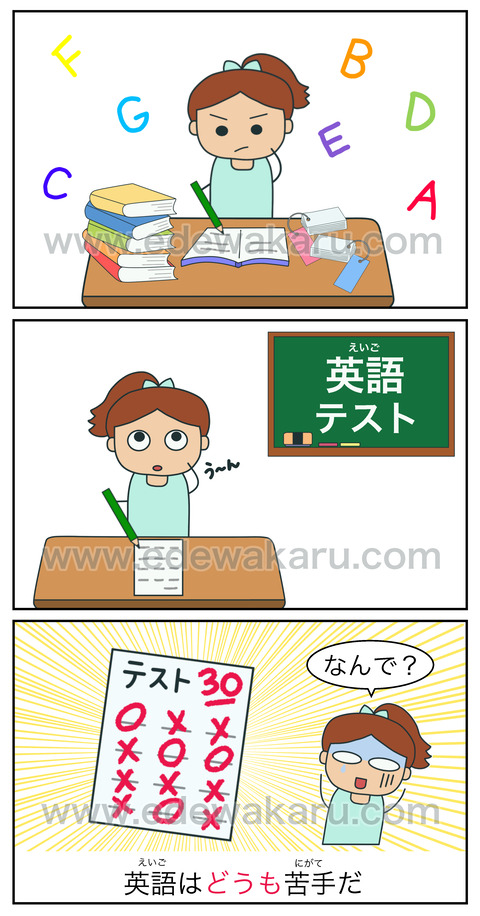
I don't know why but; I cannot manage to; just; from what I gather; seem; no matter how ~; I gather that ~; for some reason
How to use it
(i) どうも~ | {V /Adjective (い/な)} negative | |
| どうも話せない | No matter how one tries, someone can’t talk |
| どうも食べられない | No matter how one tries, someone doesn’t eat |
| どうもよくない | I don’t know why but something isn’t good |
| どうも上手じゃない | I don’t know why, but someone is not good at something |
(ii) どうも~ | {V /Adjective い} informal {らしい/ようだ} | |
| どうも話す{らしい/ようだ} | I gather that someone is going to talk |
| どうも食べる{らしい/ようだ} | I gather that someone is going to eat |
| どうも高い{らしい/ようだ} | I gather that something is expensive |
(iii) どうも~ | Adjective な stem {らしい/ようだ} or Adjective な stem だった{らしい/ようだ} | |
| どうも静か{らしい/なようだ} | I gather that something is quiet |
Explanation
An adverb to indicate that one cannot make a definite statement about something due to lack of hard evidence.
In context 13 examples
この文の意昧がどうもよく分からない。
I tried, but I cannot understand the meaning of this Japanese sentence very well.
鈴木さんはどうも京都大学に入りたいらしい。
I gather that Mr. Suzuki wants to enter Kyoto University.
あの先生の授業はどうも面白くない。
I don't know why, but that instructor's class is uninteresting.
このごろどうも体の詞子がよくないんです。
I don't know why, but lately I don't feel very good.
あの人の日本語はどうも聞きにくい。
I don't know why, but his Japanese is hard to listen to.
先生、この間題の意味がどうもつかめないんです。
Professor, I can't manage to grasp the intent of this problem.
こんな田舎に住むのはどうも不便だ。
It is just inconvenient to live in such countryside.
うちの子はテレビばかり見て、どうも本を読まない。
I don't know why, but our kids are always watching TV and do not read books.
あの先生はどうも厳しいようだ。
That teacher seems strict to me.
ジョンは日本語を話すのは上手だが、読むのはどうも下手なようです。
John is good at speaking Japanese but for some reason he seems poor at reading it.
その男がどうも犯人に違いないと思っていたが、やっぱりそうだった。
I gathered that he must be the one who did it, and my guess was right.
父は症状からしてどうもがんになったらしい。
Judging from the symptoms my father seems to have cancer.
彼女が今朝電車の中で僕に言ったことがどうも気になった。
What she said to me this morning in the train somehow bothered me.
日本語文型辞典
Meaning
Expresses the speaker's sense of puzzlement about the current situation or their own sensations and feelings: “I don't really understand why this is happening / why it feels this way.” The predicate is a negative expression or a negatively evaluated expression such as 「変だ」, 「おかしい」, or 「気分がふさぐ」. ⑥ is a euphemistic way of saying that “things aren't very good” without stating that part. It is often interchangeable with 「なんだか」 or 「何となく」.
Accompanied by 「そうだ」 (appearance), 「ようだ」, 「らしい」, and similar expressions, it expresses the speaker's inference based on certain grounds. It can be replaced with 「どうやら」.
Accompanied by expressions such as 「困った」 or 「まいった」, it emphasizes feelings of confusion or mild surprise.
Used in greetings to emphasize gratitude or apology. As in ③, the latter part may be omitted. Even without any particular feeling, it is often used in forms such as 「どうも、どうも」 as a merely conventional greeting.
How to use it
どうも【uncertainty】
どうも …そうだ/…ようだ/…らしい
とうも【bewilderment】
どうも【greeting】
In context 14 examples
母のことがどうも気になってならない。
I can't stop worrying about my mother.
最近、彼はどうも様子がおかしい。
Lately, something seems off about him.
あの人の考えていることは、どうもよく分からない。
I just can't quite understand what that person is thinking.
努力はしているのだが、どうもうまくいかない。
I'm trying, but things just aren't going well.
今日は、朝からどうも気分がふさぐ。
For some reason, I've felt down since this morning.
A:奥さんの具合はいかがですか。
B:それがどうもね……A: How is your wife feeling? B: Well, actually, she doesn't seem to be doing too well…
この空模様では、どうも雨になりそうだ。
With the sky looking like this, it seems likely to rain.
彼の言ったことは、どうも全部うそのようだ。ぴょうき
What he said all seems to have been a lie. byōki
おじの病気は、どうもガンらしい。
My uncle's illness seems to be cancer.
ちっとも勉強しないで遊んでこまむすこばかりで、どうも困った息子です。せんばいしヽつきょくうた
He's always fooling around and never studying; what a troublesome son. sempai shi ikkyoku uta
A:先輩、一曲歌ってくださいよ。
B:これは、どうもまいったな。A: Senpai, please sing us a song. B: Goodness, you've got me there.
お手紙どうもありがとうございます。ま
Thank you very much for your letter. ma
お待たせして、どうもすいません。せんじつ
I'm very sorry to have kept you waiting. senjitsu
先日はどうも。
Thanks for the other day.
Read the original source text
Meaning
現状や自分の感覚、感情について、「なぜそうなるのか/そのように感じられるのかよく分からない」という話し手の「いぶかしみ」の気持ちを表す。述語には打ち消しの表現や、「変だ」「おかしい」「気分がふさぐ」のようなマイナス評価の表現が用いられる。⑥は「あまりよくない」という部分を言わないで婉曲に言う場合の表現。「なんだか」「何となく」に言いかえられることが多い。
「そうだ(様態)」「ようだ」「らしい」などを伴い、一定の根拠に基づいた話し手の推定を表す。「どうやら」に言いかえられる。
「困った」「まいった」などを伴って、困惑や軽い驚きの気持ちを強調する。
挨拶の表現に用いられ、感謝やおわびの気持ちを強調する。③のように後半が省略されることもある。実際には特別な感情がなくても「どうも、どうも」のような形で単なる儀礼的挨拶の表現として使われることが多い。
How to use it
どうも【不確か】
どうも …そうだ/…ようだ/…らしい
とうも【困惑】
どうも【挨拶】
絵でわかる日本語
Usage 1
Read this source entry ↗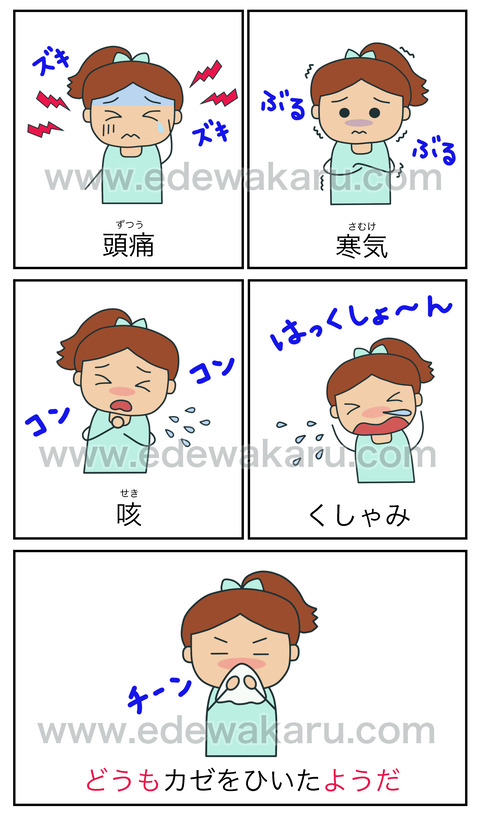
Meaning
I don’t know for sure, but it may be ~.
I don’t know for sure, but I feel that ~.
I don’t know for sure, but I think ~.
How to use it
どうも + 〜そうだ
どうも + 〜ようだ
どうも 〜らしい
Explanation
“どうも + conjecture expression” is a sentence pattern meaning “I don’t know for sure, but I feel that ~” or “I don’t know for sure, but it may be ~.” It is used to express the speaker’s feeling of [uncertainty]. 😊 After “どうも,” expressions such as [〜ようだ (inference based on the five senses)], [〜そうだ (possibility)], and [〜らしい (conjecture)] are used. Also, “どうも + conjecture expression” can be changed to “どうやら.” 😮
(Review: どうやら + conjecture expression)
[Examples]
どうも
カゼをひいたようだ
=
どうやら
カゼをひいたようだ
どうも
雨が降ってきそうだ
=
どうやら
雨が降ってきそうだ
“どうも” has several meanings, so remember the usage covered here as “どうも + conjecture expression.”
“〜ようだ,” “〜そうだ,” and “〜らしい” are very important sentence patterns, so it would be good to review them thoroughly. 😉
(Review: 〜ようだ (inference based on the five senses))
(Review: 〜らしい (conjecture))
(Review: 〜そうだ (possibility))
(Review: 〜そうだ (a third party’s action))
(Review: 〜そうだ (hearsay))
(Review: 〜そうだ (appearance))
(Review: the negative form of “〜そうだ”)
Read the original source text
Meaning
はっきりとわからないが〜かもしれない
はっきりとわからないが〜と感じる
はっきりとわからないが〜と思う
How to use it
どうも+〜そうだ
どうも+〜ようだ
どうも〜らしい
Explanation
「どうも+推量表現」は「はっきりとわからないが、〜と感じる」「はっきりとわからないが、〜かもしれない」という意味を表す文型です。この文型は、話し手の
【不確か】
な気持ちを表す場合に使われます😊「どうも」の後ろには、【〜ようだ(五感推量)】【〜そうだ(可能性)】【〜らしい(推量)】などが使われます。また、「どうも+推量表現」は
「どうやら」
にチェンジすることもできます😮
(復習:どうやら+推量表現)
[例]
どうも
カゼをひいたようだ
=
どうやら
カゼをひいたようだ
どうも
雨が降ってきそうだ
=
どうやら
雨が降ってきそうだ
「どうも」にはいくつか意味がありますので、今回の「どうも」は「どうも+推量表現」と覚えておきましょう。
「〜ようだ」「〜そうだ」「〜らしい」
はとても大切な文型ですのでしっかりと復習をしておくといいと思います😉
(復習:〜ようだ(五感推量))
(復習:〜らしい(推量))
(復習:〜そうだ(可能性))
(復習:〜そうだ(第三者の行為))
(復習:〜そうだ(伝聞))
(復習:〜そうだ(様態))
(復習:「〜そうだ」の否定形)
日本語文型辞典 英語版
Meaning
B:それがどうもね...。
Well, you know, it’s hard to say....
Expresses the speaker’s uncertainty or doubt regarding a current situation or his/her own senses or emotions. Means something like, “I don’t really know why that is so/why I feel this way.” The predicate is the negative form of a verb/adjective or an expression that conveys a negative evaluation, such as 変だ (it’s strange), おかしい (odd), or 気分がふさぐ (feel down).
(6)
is a circumlocution that does not verbalize the intended あまりよくない (not very good). どうも can often be substituted with なんだか or 何となく.
When accompanied by expressions such as そうだ (look/seem), ようだ (looks like), or らしい (appear/seem), どうも expresses a conjecture on the part of the speaker based on some piece of evidence.
B:これは、どうもまいったな。
Oh boy, now what do I do?
Used along with expressions like 困った (troublesome/distressing) and まいった (Oh, no!), this emphasizes a feeling of dismay or slight surprise.
Used in greetings and salutations to emphasize a feeling of appreciation or apology. As in
(3)
, the latter part of the sentence is sometimes omitted. Actually often used in expressions like どうも、どうも, which is merely a conventionalized greeting that conveys no particular feeling.
How to use it
1. どうも〈uncertain〉
2. どうも ...そうだ/...ようだ/...らしい
3. どうも〈dismay〉
4. どうも〈salutation〉
In context 14 examples
母のことがどうも気になってならない。
Somehow I can’t help thinking about my mother.
最近、彼はどうも様子がおかしい。
There’s been something strange about him recently.
あの人の考えていることはどうもよく分からない。
I just don’t understand what makes that person tick.
努力はしているのだが、どうもうまくいかない。
We’re doing our best, but it’s just not going well.
今日は朝からどうも気分がふさぐ。
For some reason I’ve been feeling down since this morning.
A:奥さんの具合はいかがですか。
How is your wife doing?
この空模様ではどうも雨になりそうだ。
This sky looks like we’re going to get some rain.
彼の言ったことはどうも全部うそのようだ。
It seems as if everything he said was a lie.
おじの病気はどうもガンらしい。
Our uncle's illness looks like it might be cancer.
ちっとも勉強しないで遊んでばかりで、どうも困った息子です。
My son gives me no end of headaches, since he never studies and only wants to have a good time.
A:先輩、一曲歌ってくださいよ。
(to a senior student/colleague) Senpai, sing a song for us, please.
お手紙どうもありがとうございます。
Thank you very much for your letter.
お待たせしてどうもすいません。
I am so sorry to have kept you waiting.
先日はどうも。
Thank you for the other day.