くらべてわかる日本語表現文型辞典
Meaning
Meaning 1: Even if one assumes one will do A, it will not pay off or lead to any worthwhile result. It carries the nuance that one will not actively do A.
Meaning 2: A is indeed true, but the fact B reduces its value.
How to use it
AたところでB (AといったところでB)
[Verb—た form] ところで
Explanation
【Contrast 1】
“AとしたところでB” (Meaning 1, p. 172)
“AとはいえB” (Meaning 1, p. 185)
In context 8 examples
きれいな服を買ったところで、着ていく場所がない。
Even if I bought nice clothes, I have nowhere to wear them.
今さら彼に会ったところで、何も話すことはない。
Even if I met him now, I’d have nothing to talk about.
フランス語の講義なんて受けたところで、わからないよ。
Even if I took a French lecture, I wouldn’t understand it.
石頭の課長に言ったところで、どうせ無駄だろう。
Even if I told the hardheaded section chief, it would probably be useless anyway.
彼が優秀だといったところで、まだ中学生だ。たかが知れている。
Even if he is outstanding, he’s still only a middle school student. That only goes so far.
ダイエットが成功したといったところで、まだ90キロもある。
Even if the diet was successful, I still weigh as much as 90 kilos.
日本は技術立国だと頑張ったところで特許件数は米国の半分もない。
Even if Japan strives to be a nation built on technology, its number of patents is less than half that of the United States.
どんなに節約したところで、毎月赤字だ。
No matter how much I economize, I’m in the red every month.
Read the original source text
Meaning
意味1:Aをすると仮定しても、報われない、ろくな結果にならない。Aを積極的にはしないというニュアンスがある。
意味2:たしかにAではあるが、Bという事実があるためAの価値は減る。
How to use it
AたところでB(AといったところでB)
[動詞-た形]ところで
Explanation
【対比1】
「AとしたところでB」(意味1 P.172)
「AとはいえB」(意味1 P.185)
DoJG 日本語文法辞典(全集)
Meaning
Even if
How to use it
Vinformal past | ところで | |
| 読んだところで | Even if someone read something |
| 飲んだところで | Even if someone drank something |
Explanation
Even if an action or a state were realised.
In context 9 examples
どんなに低く見積もったところで、工費は五億円を超えるだろう。
No matter how low we estimate the construction expense it will go beyond 500 million yen.
この薬を飲んだところで、風邪がすぐ治るわけじゃない。
Even if you took this medicine, it would not be the case that your cold would be cured right away.
この本を読んだところで、日本の経済の全体は分からないだろう。
Even if you read this book, you wouldn't understand the entire economy of Japan.
一週間に一度ぐらい運動したところで、あまり効果はないでしょう。
Even if you exercise once a week, it won't be very effective.
どんなに頑張ったところで、この科目では優が取れるはずがない。
No matter how much I worked, it would be impossible to get an A in this course.
休みに天気が良くなったところで、どこかへ出かける当てもない。
Even if the weather gets better on the holiday, there is no particular place to go.
日本語が話せたところで、日本へ行く金もないので、何にもならない。
Even if I were able to speak Japanese, it wouldn't amount to anything, because I cannot afford to go to Japan.
これ以上話し合ったところで、恐らく無駄でしょう。
Even if we discussed it more, it would probably be futile.
問題が起こったところで、君には迷惑はかからない。
Even if a problem arises, it will not cause you any trouble.
絵でわかる日本語
Usage 1
Read this source entry ↗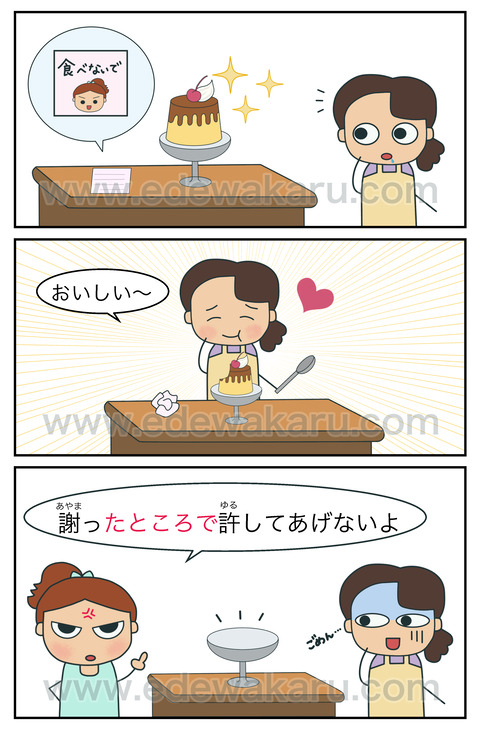
Meaning
〜even if 〜, it won’t 〜
How to use it
Verb [た-form] + ところで
Explanation
“〜たところで〜ない” is a grammar pattern meaning “even if 〜, it won’t 〜” 😊 It is followed by a negative expression or the like.
In most cases, it is used to make a negative judgment, but it can also express something positive, such as “大丈夫” (“it’s fine”) or “問題ない” (“there’s no problem”), meaning that “even if one does 〜, there will not be much of a bad effect” 😮
[Things often used after “〜たところで”]
・〜たところで + negative expression
・〜たところで + it’s impossible
・〜たところで + it’s useless
・〜たところで + there’s no helping it
・〜たところで + it’s meaningless
・〜たところで + it’s no use
・〜たところで + it’s fine
・〜たところで + there’s no problem
and so on
Be careful: a た-form describing something that has already happened does not follow this pattern 😨
[Examples]
❌ Even if I hurried, I didn’t make it in time.
⭕️ Even if I hurry, I won’t make it in time.
“〜たところで” also means “in a situation where 〜,” so remember that as well. There are many grammar patterns with “〜ところ,” so learn to distinguish them 😉
[〇〇 Series list]
In context 4 examples
謝ったところで許してあげないよ
→謝っても許してあげないよEven if I apologize, I won’t forgive you. →Even if I apologize, I won’t forgive you.
急いだところで間に合わないってば!(復習:〜ってば)
→急いでも間に合わないってば!Even if I hurry, I won’t make it in time, I’m telling you! (Review: 〜ってば) →Even if I hurry, I won’t make it in time, I’m telling you!
後悔したところで、もう遅いよ
→後悔しても、もう遅いよEven if you regret it, it’s too late now. →Even if you regret it, it’s too late now.
少し遅くなったところで問題ないですよ
→少し遅くなっても問題ないですよIt’s no problem even if you’re a little late. →It’s no problem even if you’re a little late.
Read the original source text
Meaning
〜ても〜ない
How to use it
動詞[た形]+ところで
Explanation
「〜たところで〜ない」は「〜ても〜ない」という意味を表す文型です😊後ろには否定表現などがきます。
ほとんどの場合、否定的な判断をする時に使いますが、「〜してもあまり悪い影響がない」という意味で、「大丈夫」「問題ない」などプラスの意味を表す場合もあります
😮
[「〜たところで」の後ろによく使うもの]
・〜たところで+否定表現
・〜たところで+
無理だ
・〜たところで+
無駄だ
・〜たところで+
仕方がない
・〜たところで+
無意味だ
・〜たところで+
役に立たない
・〜たところで+
大丈夫だ
・〜たところで+
問題ない
など
また、後ろには「た形」(すでに起こったこと)はきませんので気をつけてください😨
[例]
❌急い
だところで
間に合わなかった
⭕️急い
でも
間に合わなかった
「〜たところで」には「〜場面で」という意味もありますので、いっしょに覚えておきましょう。また、「〜ところ」がつく文型はたくさんありますので、区別して覚えておきましょう😉
【〇〇シリーズリスト】
Usage 2
Read this source entry ↗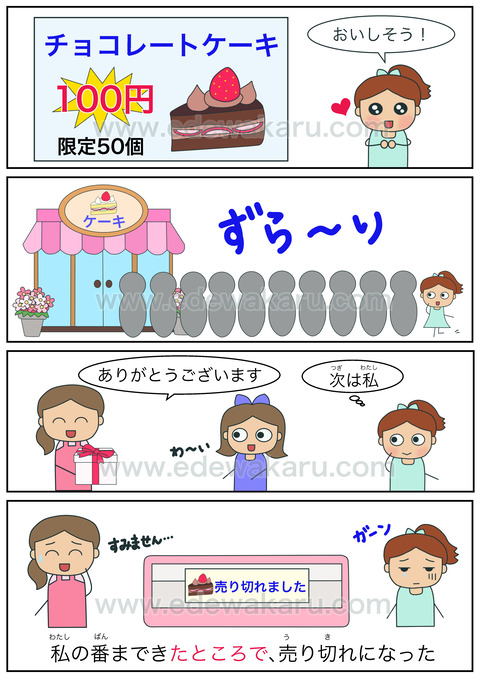
Meaning
At the moment when ~
~ happens immediately after ~ has finished
How to use it
Verb [た-form] + たところで
Explanation
“AたところでB” is a sentence pattern meaning “B at the moment of A” or “B happens immediately after the action A has finished.” It is used when you want to say that B happens at the moment the preceding action or change A ends.
Remember it together with “〜ところを” and “〜ところに・〜ところへ.” Also, “〜たところで” has a use that expresses [concession]. There are many sentence patterns containing “ところ,” so review them 😀
[Related patterns]
[List of “〇〇 series”]
In context 5 examples
私の番まできたところで、売り切れになった
→私の番で売切れになったJust as it got to be my turn, it sold out. →It sold out when it was my turn.
急いで電車に乗ったところで、ドアが閉まった
→電車に乗った後で、すぐにドアが閉まったAs I hurriedly got on the train, the doors closed. →The doors closed right after I got on the train.
話がおもしろくなってきたところで、ドラマが終わってしまった
→話がおもしろくなってきた場面で、ドラマが終わってしまったJust as the story was getting interesting, the drama ended. →The drama ended at the point when the story was getting interesting.
彼女は、教室に入ったところで突然倒れてしまった
→教室に入った後で、すぐに倒れてしまったShe suddenly collapsed just as she entered the classroom. →She collapsed immediately after entering the classroom.
ごはんができたところで、子供たちが帰ってきた
→ごはんができた後すぐに子供たちが帰ってきたThe children came home just as the meal was ready. →The children came home right after the meal was ready.
Read the original source text
Meaning
〜場面で
〜が終わった後で、すぐに〜が起こる
How to use it
動詞[た形]+たところで
Explanation
「AたところでB」は「A場面でB」「Aの動作が終わった後で、すぐにBが起こる」という意味の文型です。前の動作・変化「A」が終わった場面で、「B」が起こると言いたい時に使います。
「〜ところを」「〜ところに・〜ところへ」と一緒に覚えておきましょう。
また「〜たところで」には【逆接】を表す用法もあります。
「ところ」がつく文型はたくさんありますので復習をしておきましょう😀
【関連文型】
【「〇〇シリーズ」リスト】
どんなときどう使う 日本語表現文型辞典
Meaning
supposing; even if
How to use it
Vた + ところで
Explanation
~ても
1)「~たところで」の形で「仮に~が成立しても、結果は予期に反して無駄なことになってしまう/程度が低い結果にしかならない」という話者の判断を述べるときに使う。
2)後の文は話者の主観的断定、推量などが多い。
3)文末に過去形は使わない。
4) ❹ ~ ❻ のように「どんなに・いくら・たとえ・疑問詞・助数詞」とともに使うことも多い。
4)As in sentences ❹ to ❻ , often used with どんなに, いくら, たとえ, interrogatives, and numerical classifiers.
1)Describes speaker's judgment that even if something does occur, result will defy expectations and end in vain, or level of result can only be low.
2)Often phrase following indicates speaker's subjective judgment or surmise.
3)Past tense cannot be used at end of sentence.
In context 6 examples
今から走っていったところで、開始時間に間に合うはずがない。
Even if I ran there starting now, there is no way I could arrive in time for the start.
周りの人が何を言ったところで、彼は自分の意見を曲げないだろう。
No matter what the people around him say, he probably won't change his opinion.
いくら働いたところで、こう物価が高くては生活は楽にはならない。
No matter how much you work, life won't get any easier when prices are this high.
専門書はどんなに売れたところで、2,000冊くらいだろう。
No matter how well specialized books sell, they probably sell about 2,000 copies.
わたしは才能がないから、いくら練習したところで、きれいに弾けるようにはならない。
I have no talent, so no matter how much I practice, I won't be able to play beautifully.
専門の知識がない人がこの本を何回読んだところで、理解できるようにはならない。
No matter how many times someone without specialized knowledge reads this book, they won't come to understand it.
Read the original source text
Meaning
supposing; even if
How to use it
Vた+ところで
Explanation
~ても
1)「~たところで」の形で「仮に~が成立しても、結果は予期に反して無駄なことになってしまう/程度が低い結果にしかならない」という話者の判断を述べるときに使う。
2)後の文は話者の主観的断定、推量などが多い。
3)文末に過去形は使わない。
4) ❹ ~ ❻ のように「どんなに・いくら・たとえ・疑問詞・助数詞」とともに使うことも多い。
4)As in sentences ❹ to ❻ , often used with どんなに, いくら, たとえ, interrogatives, and numerical classifiers.
1)Describes speaker's judgment that even if something does occur, result will defy expectations and end in vain, or level of result can only be low.
2)Often phrase following indicates speaker's subjective judgment or surmise.
3)Past tense cannot be used at end of sentence.
日本語NET JLPT文法解説まとめ
Meaning
"no matter how much ~"
It indicates that no matter how much something in the preceding clause is done, the expected result is not achieved.
How to use it
V(past form)+ ところで
Explanation
"no matter how much"
It indicates that no matter how much something is done, the expected result is not achieved.
① A negative form typically follows at the end of the sentence.
② It cannot be used with expressions like "~てください" or "〜ましょう".
① A negative form typically follows at the end of the sentence.
② It cannot be used with expressions like "~てください" or "〜ましょう".
In context 10 examples
テストまであと10分だし、今さら本やノートを見たところで何も変わらないよ。
There are only 10 minutes left until the test, and looking at books or notes now won’t change anything.
もう絶対に間に合わないし、慌てたところでどうにもならないよ。
It’s already absolutely impossible to make it on time, and panicking now won’t help.
1日に100個売れたところで、利益は500円程度だし、この商品の製造は中止せざるを得ないかなあ。
Even if we sold 100 a day, the profit would only be about 500 yen, so I wonder if we have no choice but to stop making this product.
これ以上議論したところで、まだ答えが出るテーマではないので、時間の無駄だよ。
Even if we discuss it any further, this isn’t a topic we can reach an answer on yet, so it’s a waste of time.
僕なんかが告白したところで、どうせ断られるんだろうけど、このまま何も言わずに卒業するのは嫌だ。
Even if someone like me confessed, I’d probably be rejected anyway, but I don’t want to graduate without saying anything.
試験はもう終わったんだし、後悔したところで結果は何も変わらないよ。
The exam is already over, and regretting it won’t change the results at all.
妻がダイエットのために欲しいって言ってる器具があるんだけど、どうせ買ってあげたところで、すぐに使わなくなるんだろうなあ。
There’s a piece of equipment my wife says she wants for dieting, but even if I buy it for her, she’ll probably stop using it right away anyway.
彼にいくら相談したところで、無駄だからやめた方がいいよ。
No matter how much you consult him, it’s pointless, so you’d better not.
怒ったところで、何も解決しないし、まずは落ち着いて話をきこう。
Getting angry won’t solve anything, so let’s calm down and talk first.
どうせ彼に話したところで分かってもらえないだろうし、他の人に聞いてもらおう。
He probably won’t understand even if I tell him anyway, so let’s ask someone else to listen.
Read the original source text
Meaning
"いくら〜しても"
前件に来ることをいくら〜しても、期待する結果が得られないことを表す。
How to use it
V(タ形)+ ところで
Explanation
"no matter how much "
It indicates that no matter how much something is done, the expected result is not achieved.
① 文末には否定の形が来る。
②「〜てください」や「〜ましょう」といった表現と一緒には使えない。
① A negative form typically follows at the end of the sentence.
② It cannot be used with expressions like "~てください" or "〜ましょう"
毎日のんびり日本語教師
How to use it
Verb ta-form + ところで
Explanation
This expresses that the action in the following clause occurs immediately after the action or change in the preceding clause has ended.
Notes
Related grammar: 「【N3文法】たとえ~ても/たとい~ても」
The 「ところ」 series
In context 8 examples
ご飯ができたところで夫が帰ってきた。
Just as dinner was ready, my husband came home.
父は「ありがとう」と言ったところで静かに息を引き取った。
My father said, “Thank you,” and then quietly drew his last breath.
話が出尽くしたところで終わることにしましょう。
Let’s call it a day once we’ve run out of things to discuss.
夢の中で悪魔と目があったところで目が覚めました。
I woke up just as I met the devil’s eyes in a dream.
ワクチン接種から9時間くらい経ったところで、少し熱っぽさと寒気を感じた。
About nine hours after getting vaccinated, I began to feel a little feverish and chilly.
チャーハン半分食べたところでもうお腹いっぱいになった。
I was already full after eating half the fried rice.
店から出たところで日傘を忘れたことに気がついた。
Just after leaving the store, I realized I’d forgotten my parasol.
餃子の皮に餡を詰めたところで眠くなった。用法② たとえ~でも
I got sleepy just after filling the gyoza wrappers with filling. Usage ②: even if ~
Read the original source text
How to use it
動た形+ところで
Explanation
前件の動作や変化が終わった直後に後件の動作が発生することを表します。
Notes
関連文法「【N3文法】たとえ~ても/たとい~ても」
「ところ」シリーズ
AIUEO JLPT Grammar
Meaning
This sentence pattern is used to indicate that, even if a certain condition or action is met, the result is meaningless or does not meet expectations.
How to use it
Verb ta-form + ところで
In context 5 examples
今さら謝ったところで、彼の怒りは収まらないだろう。
Even if you apologize now, his anger won’t subside.
全力で頑張ったところで、結果は変わらなかった。
Even though I gave it my all, the result didn’t change.
そんなに急いだところで、電車はもう行ってしまった。
Even if you hurry, the train has already left.
その事実を知ったところで、彼女の気持ちは変わらない。
Even if she learns the truth, her feelings won’t change.
泣いたところで、何も解決しないよ。
Even if you cry, nothing will be solved.
Read the original source text
Meaning
This sentence pattern is used to indicate that, even if a certain condition or action is met, the result is meaningless or does not meet expectations.
How to use it
動詞た形+ところで
Explanation · 日本語
この文型は、仮定や条件を示す表現で、ある行動や状況を実現したとしても、その結果が無意味であったり、期待通りの結果が得られないことを強調する場合に使われます。
文法
Meaning
No matter how much ~
Expresses that no matter how much one does what comes in the preceding clause, the expected result cannot be obtained.
How to use it
V(past form)+ ところで
Notes
① A negative form comes at the end of the sentence.
② It cannot be used together with expressions such as 「〜てください」 or 「〜ましょう」.
In context 10 examples
テストまであと10分だし、今さら本やノートを見たところで何も変わらないよ。
There are only 10 minutes left until the test, and looking at books or notes now won’t change anything.
もう絶対に間に合わないし、慌てたところでどうにもならないよ。
It’s already absolutely impossible to make it on time, and panicking now won’t help.
1日に100個売れたところで、利益は500円程度だし、この商品の製造は中止せざるを得ないかなあ。
Even if we sold 100 a day, the profit would only be about 500 yen, so I wonder if we have no choice but to stop making this product.
これ以上議論したところで、まだ答えが出るテーマではないので、時間の無駄だよ。
Even if we discuss it any further, this isn’t a topic we can reach an answer on yet, so it’s a waste of time.
僕なんかが告白したところで、どうせ断られるんだろうけど、このまま何も言わずに卒業するのは嫌だ。
Even if someone like me confessed, I’d probably be rejected anyway, but I don’t want to graduate without saying anything.
試験はもう終わったんだし、後悔したところで結果は何も変わらないよ。
The exam is already over, and regretting it won’t change the results at all.
妻がダイエットのために欲しいって言ってる器具があるんだけど、どうせ買ってあげたところで、すぐに使わなくなるんだろうなあ。
There’s a piece of equipment my wife says she wants for dieting, but even if I buy it for her, she’ll probably stop using it right away anyway.
彼にいくら相談したところで、無駄だからやめた方がいいよ。
No matter how much you consult him, it’s pointless, so you’d better not.
怒ったところで、何も解決しないし、まずは落ち着いて話をきこう。
Getting angry won’t solve anything, so let’s calm down and talk first.
どうせ彼に話したところで分かってもらえないだろうし、他の人に聞いてもらおう。
He probably won’t understand even if I tell him anyway, so let’s ask someone else to listen.
Read the original source text
Meaning
いくら〜しても
前件に来ることをいくら〜しても、期待する結果が得られないことを表す。
How to use it
V(タ形)+ ところで
Notes
① 文末には否定の形が来る。
②「〜てください」や「〜ましょう」といった表現と一緒には使えない。
Bunpro Grammar Reference
Meaning
Even if ~ cannot or will not, Even though ~ not
How to use it
Verb[た]+ ところで +Phrase[ない]
Nuance
A hypothetical structure, highlighting that even in the situation or location of (A), the result will not be as expected. Even though (A), (B).
Explanation
~たところで is a grammar construction that combines the simple-past form of a verb, the noun ところ 'place', and the case-marking particle で.
As with most other grammar patterns that ところ is seen with, the focus is on the situation of the verb occurring. ~たところで is often translated as 'even if (A), not (B)', or 'even if (A), it won't be (B)'.
This 'even if' nuance is created by the fact that ~たところで sentences will never have something in the past tense in the second half of the sentence, despite using the past tense before ところ. This is similar to the English 'even if (A) were to happen, (B) would still not occur'.
今更勉強を始めたところで、合格はできないだろう。
Even if I were to start studying now, I would not be able to pass.
もう電車は発車してしまったから、急いだところで間に合わないよ。
The train has already left, so even if you hurry, you won't make it.
少し走ったところで、すぐには痩せないよ。
Just merely by running, you won't lose weight that quickly.
As can be seen by the examples above, ~たところで will convey things that are counter to what the speaker either wants to, or wishes would happen. Due to this, the (B) half of the sentence will almost always be something unfavorable.
Fun Fact
Due to ~たところで always marking some kind of negative result in (B), (A) will often be preceded by words such as 今さら, いくら, or どんなに. These usually just emphasize the frustration that the speaker feels about the inevitable result.
In context 15 examples
- 徹夜で勉強したところで、合格しない。
Even if I studied all night, I would not pass.
- 今更勉強を始めたところで、合格はできないだろう。
Even if I were to start studying now, I would not be able to pass.
- もう電車は発車してしまったから、急いだところで間に合わないよ。
The train has already left, so even if you hurry, you won't make it.
- 少し走ったところで、すぐには痩せないよ。
Just merely by running, you won't lose weight that quickly.
- 「いまごろ車に乗って行ったところで間に合いようがない。」
Even if you went by car right now, you would not to be on time.
- 「謝ってみたところで、彼女が許してくれるわけじゃないけど。」
'Even if I try to apologize, it doesn't mean she will forgive me.'
- 「たとえ失敗してしまったところで、 問題はありません。」
'Even if you fail, there will not be a problem.'
- 私が告白したところで、彼女は応じないだろう。
Even if I confessed my love, she wouldn't respond.
- そんなにお金を稼いだところで使い切れないでしょうから、募金してみてはどうですか?
Even if you made that much money, since you surely wouldn't be able to use it all, why don't you try donating them?
- すみませんが、今注文をキャンセルしたところで、お金は返金できませんよ。
I am sorry, even if you cancel the order now, we cannot refund your money.
- ちょっとやそっと妻に優しくしたところで妻が機嫌を直してくれるとは思わない。
Just merely by going out of your way for your wife, I don't think that she'll cheer up.
- 五分の運動を三日間続けたところで直ぐに成果が見られるとは限りません。
Even if you continued to exercise for 5 minutes daily for three days, it is not certain that any positive results would immediately be visible.
- 今更焦って勉強を始めたところであなたが志望する大学に受かる見込みはないだろう。
Even if you started studying in a rush at this late point, you probably have no chance of being accepted by the university that you're hoping for, right?
- 冷房の設定温度を一度上げたところで節約できる電力はあまり多くないが、そのような小さな積み重ねが大事なのである。
Even if you raise the temperature setting of the air-con one degree, you won't be able to economize much on electricity output, but even small accumulations like that are important.
- 真犯人を追及したところで遺族の悲しみが消えることはありませんが、刑事として何としてでも真犯人を見つける所存であります。
It is not like the bereaved family's sadness will disappear even if the true culprit is sought out, but as a detective, I have the intention of doing whatever it takes to find them.
Read the original source text
Meaning
Even if ~ cannot or will not, Even though ~ not
How to use it
Verb[た]+ ところで +Phrase[ない]
Nuance
A hypothetical structure, highlighting that even in the situation or location of (A), the result will not be as expected. Even though (A), (B).
Explanation
~たところで is a grammar construction that combines the simple-past form of a verb, the noun ところ 'place', and the case-marking particle で.
As with most other grammar patterns that ところ is seen with, the focus is on the situation of the verb occurring. ~たところで is often translated as 'even if (A), not (B)', or 'even if (A), it won't be (B)'.
This 'even if' nuance is created by the fact that ~たところで sentences will never have something in the past tense in the second half of the sentence, despite using the past tense before ところ. This is similar to the English 'even if (A) were to happen, (B) would still not occur'.
今更勉強を始めたところで、合格はできないだろう。
Even if I were to start studying now, I would not be able to pass.
もう電車は発車してしまったから、急いだところで間に合わないよ。
The train has already left, so even if you hurry, you won't make it.
少し走ったところで、すぐには痩せないよ。
Just merely by running, you won't lose weight that quickly.
As can be seen by the examples above, ~たところで will convey things that are counter to what the speaker either wants to, or wishes would happen. Due to this, the (B) half of the sentence will almost always be something unfavorable.
Fun Fact
Due to ~たところで always marking some kind of negative result in (B), (A) will often be preceded by words such as 今さら, いくら, or どんなに. These usually just emphasize the frustration that the speaker feels about the inevitable result.
Nuance · 日本語
たとえ(A)という場所、又は状況であっても、結果は予想できないということを強調する仮定表現。(A)であっても(B)。
Explanation · 日本語
「~たところで」は、動詞の過去形と名詞の「ところ」、そして助詞の「で」で構成される文型です。
この文型は「たとえ (A) をしても (B) にはならない」という意味で使われます。「ところ」を含むほかの多くの文型と同じように、この文型も動作が起こる場面や状況に焦点を当てています。
「~たところで」が「たとえ〜ても」という仮定の意味合いを持つのは、文の前半が過去形になる一方で、後半には過去の出来事が来ないところから生まれています。
今更勉強を始めたところで、合格はできないだろう。
Even if I were to start studying now, I would not be able to pass.
もう電車は発車してしまったから、急いだところで間に合わないよ。
The train has already left, so even if you hurry, you won't make it.
少し走ったところで、すぐには痩せないよ。
Just merely by running, you won't lose weight that quickly.
上記の例文からもわかるように、「~たところで」は通常、話し手が望んでいることや願っていることとは逆の結果になることを述べるときに使われます。そのため、文の後半 (B) は話し手にとって好ましくない内容になることがほとんどです。
豆知識
「~たところで」の文では、(B) に悪い結果が来るため、(A) の始めに「今さら」「いくら」「どんなに」といった言葉がよく出てきます。これらの言葉は、期待に反する残念な結果 (B) に対して、話し手が感じる苛立ちや諦めの気持ちをさらに強調する役割を果たしています。