AIUEO JLPT Grammar
Meaning
This sentence pattern expresses that something is understandable or acceptable under specific conditions but not under others. It is often used to emphasize unexpected or unusual situations.
How to use it
Noun ならいざしらず
In context 5 examples
新入社員ならいざしらず、ベテランの彼がミスを犯すとは信じられない。
It might be understandable if it were a new employee, but I can’t believe a veteran like him would make a mistake.
子供ならいざしらず、大人がこんなことで泣くなんて驚きだ。
It might be understandable for a child, but it’s surprising for an adult to cry over this.
安い商品ならいざしらず、高級ブランド品が壊れやすいとは思わなかった。
I would expect that from cheap products, but I didn’t expect luxury brand items to break easily.
短期間の旅行ならいざしらず、長期の滞在にはもう少し計画が必要だ。
A short trip would be one thing, but a long stay requires more planning.
若い世代ならいざしらず、年配の方々がこの新しい技術に精通しているとは驚きだ。
I would expect that from younger generations, but it’s surprising to see older people so familiar with this new technology.
Read the original source text
Meaning
This sentence pattern expresses that something is understandable or acceptable under specific conditions but not under others. It is often used to emphasize unexpected or unusual situations.
How to use it
名詞なら+いざしらず
Explanation · 日本語
この文型は、ある条件ならば理解できる、または許容できるが、その条件でない場合は理解できない、または許容できないという意味を表す表現です。この文型は、予想外の事態や異常な状況を強調するときに使われます。
絵でわかる日本語
Meaning
If it were ~, that would be understandable, but ~
If it were ~, that would still be okay, but ~
How to use it
Verb [plain form] + ならいざしらず
Noun [dictionary form] + ならいざしらず
Explanation
「AならいざしらずB」 is a sentence pattern meaning “If it were A, that would be understandable, but B ~” or “If it were A, that would still be okay, but B ~.” 「〜はいざしらず」 can also be used to express 「〜ならいざしらず」. The B clause often contains an expression of a reaction, such as “I was surprised,” “it’s terrible,” or “it’s awful.” In most cases, it is used in writing.
Learn 「〜ならいざしらず」 and 「〜はいざしらず」 together 😉
In context 5 examples
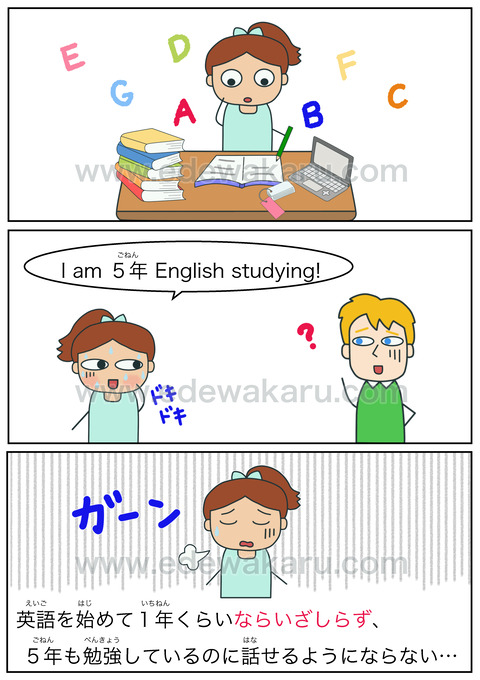
英語を始めて1年くらいならいざしらず、5年も勉強しているのに話せるようにならない
→1年くらいならしかたないが、5年も勉強しているのに話せるようにならないIf you’d only been studying English for about a year, that would be understandable, but you’ve been studying for five years and still can’t speak it. → If you’d only been studying for about a year, that would be understandable, but you’ve been studying for five years and still can’t speak it.
20年前ならいざしらず、現在はネットなしでは生活できないと思う
→20年前ならなくてもしかたないが、現在ではネットなしでは生活できないと思うThat might have been understandable 20 years ago, but nowadays I don’t think one can live without the internet. → It might have been understandable not to have it 20 years ago, but nowadays I don’t think one can live without the internet.
彼は病気だったならいざしらず、元気だったのに学校を休んだらしい
→病気だったらしかたないが、元気だったのに学校を休んだらしいIf he’d been sick, that would be understandable, but apparently he skipped school even though he was healthy. → It would have been understandable if he’d been sick, but apparently he skipped school even though he was healthy.
小学生ならいざしらず、大学生なのにお母さんに部屋の掃除をしてもらっているなんて…
→小学生ならしかたないが、大学生なのに掃除をしてもらっているなんて…If she were an elementary school student, it would be understandable, but she’s a university student and still has her mother clean her room... → It would be understandable if she were an elementary school student, but she’s a university student and still has someone clean for her...
A:彼氏にドタキャンされたって本当?B:うん。仕事ならいざしらず、友達と飲みに行くからって言われたの…A:ひどい!そんな人とは別れたほうがいいよ!!
→仕事ならしかたないけど、友達と飲みに行くからって言われたのA: Is it true your boyfriend canceled on you at the last minute? B: Yeah. He said it was because he was going drinking with friends, when it would have been understandable if he’d had to work... A: That’s awful! You should break up with someone like that!! → It would have been understandable if he had to work, but he said he was going drinking with friends.
Read the original source text
Meaning
〜ならしかたないが、〜は
〜ならまだいいが、〜は
How to use it
動詞[普通形]+ならいざしらず
名詞[辞書形]+ならいざしらず
Explanation
「AならいざしらずB」は「Aならしかたないが、Bは〜」「Aならまだいいが、Bは〜」という意味の文型です。「〜ならいざしらず」は「〜はいざしらず」を使って表すこともできます。「B」には「びっくりした」「大変だ」「ひどい」といった気持ちを表す表現がよく使われます。ほとんどの場合、書き言葉として使用されます。
「〜ならいざしらず」と「〜はいざしらず」は、セットで覚えておきましょう😉
くらべてわかる日本語表現文型辞典
Meaning
Meaning 1: If it were A, it would apply and make sense, but since it is not A, B.
Meaning 2: In the form “AはいざしらずB”: I don’t know about A; A doesn’t matter, and regardless of A, B.
How to use it
AならいざしらずB (AはいざしらずB / question word + AかはいざしらずB / Aかどうかはいざしらず)
Connection 1:
[Verb—dictionary form] ならいざしらず
[Verb—ない form] ないならいざしらず
[Noun—∅] ならいざしらず
Connection 2:
[Question word] + [Verb] かはいざしらず
[Verb] かどうかはいざしらず
[Noun—∅] はいざしらず
Notes
【Note 2】
・When A is a verb, “か / かどうか” is attached.
In context 8 examples
冬ならいざしらず、いくら流行でも真夏に毛皮つきのブーツは変だ。
Winter might be one thing, but fur-lined boots in the middle of summer are strange, however fashionable they may be.
子どもならいざしらず、彼女は30歳にもなって挨拶もできないのか。
If she were a child, that would be one thing, but at 30, she still can’t even greet people?
わからないことを先輩に質問するならいざしらず、自分で勝手に処理してしまうなんて失敗の元だ。
It would be one thing to ask a senior about something you don’t understand, but handling it on your own without permission is a recipe for failure.
払えないならいざしらず、払えるのに払わないのはおかしい。
If you couldn’t pay, that would be one thing, but it’s strange not to pay when you can.
由来はいざしらず、お茶を入れたとき、茶柱が立っていればいいことがあると言われている。
I don’t know where the custom originated, but it is said that when you make tea, if a tea stalk floats upright, something good will happen.
住所はいざしらず、名前だけでも聞いておくべきだった。
I should have at least asked their name, even if I didn’t ask for their address.
他人がどう思うかはいざしらず、君は自分のしたいことをしなさい。
Whatever other people think, you should do what you want to do.
彼女が認めるかどうかはいざしらず、責任は彼女にある。
Whether she admits it or not, she is responsible.
Read the original source text
Meaning
意味1:もしAだったら、当てはまる、納得できるが、AではないのでB。
意味2:「AはいざしらずB」の形で。Aのことはわからないが、Aはどうでもいいが、Aと関係なくB。
How to use it
AならいざしらずB(AはいざしらずB/疑問詞+AかはいざしらずB/Aかどうかはいざしらず)
接続1:
[動詞-る形]ならいざしらず
[動詞-ない形]ないならいざしらず
[名詞-∅]ならいざしらず
接続2:
[疑問詞]+[動詞]かはいざしらず
[動詞]かどうかはいざしらず
[名詞-∅]はいざしらず
Notes
【注意2】
・Aが動詞の場合は、「か/かどうか」がつく。
毎日のんびり日本語教師
How to use it
Noun + ならいざしらず/はいざしらず
Verb plain form + ならいざしらず
Explanation
This sentence pattern expresses an evaluation of something or an action.
It expresses that the first clause is acceptable, but the latter clause is impossible to understand or accept.
The latter clause describes something worse in degree than the first clause.
The speaker’s dissatisfaction is strongly conveyed.
Notes
Similar grammar: “【N2 grammar】~ならともかく/ならまだしも”
In context 10 examples
数千円のウイスキーならいざしらず、数万円台のを買うなら失敗したくない。
If it were whisky costing a few thousand yen, that would be one thing, but if I’m buying one in the tens of thousands of yen, I don’t want to make a bad choice.
このマスクの量は病院ならいざしらず、家族みんなで使うくらいなら十分な量だ。
This quantity of masks would be understandable for a hospital, but it’s more than enough for a whole family to use.
このような詐欺手法は20年前ならいざしらず、現代においては通用しない。
A scam like this might have worked 20 years ago, but it won’t work in the modern day.
初めてとか2回目とかならいざしらず、経験者が失敗するのは許されない。
If it were someone’s first or second time, that would be one thing, but an experienced person can’t be allowed to fail.
登山という行為はパーティを組むならいざしらず、単独で行うケースは少ない。
Mountaineering is often done in a group, but cases of doing it alone are rare.
他人ならいざしらず、自分の嫁なら太っても太ったなりの魅力を感じれる。
If it were someone else, that would be one thing, but even if my own wife gets fat, I can still appreciate her charms.
広い場所ならいざしらず、狭い空間ならこちらにも勝機がある。
In a wide-open place, that would be one thing, but in a confined space, we have a chance of winning too.
他人のことはいざしらず、自分の事を他人に決められるのは嫌だ。
I don’t know about other people’s affairs, but I hate having someone else make decisions about my own.
「女子高生ミスコン」は全国の女子高生全員が参加しているならいざしらず、単にこのコンテストに応募した人の中から選んでいるだけに過ぎないのだから、日本一可愛いというのは間違っている。
The “High School Girl Miss Contest” would be one thing if every high school girl in the country participated, but it merely selects from among the people who applied for this contest, so it’s wrong to call the winner the cutest girl in Japan.
子供が責任を持って世話をするならいざしらず、なんとなく飼いたいという軽い気持ちでは犬も猫も可哀そうです。
If the child were to take responsibility for caring for the pet, that would be one thing, but it’s cruel to both dogs and cats to have them on a whim just because you casually feel like it.
Read the original source text
How to use it
名詞+ならいざしらず/はいざしらず
動詞普通形+ならいざしらず
Explanation
物事や行為に対する評価を行う文型です。
前件は許容できるが、後件は理解することも受け入れることもできないことを表します。
後件では、前件よりも程度がひどいことが述べられます。
話者の不平不満が強く表れます。
Notes
似ている文法「【N2文法】~ならともかく/ならまだしも」
NINJAL 日本語文型データベース
Meaning
Used when you want to set something aside from the discussion because it is an exceptional case. It emphasizes that the situation is at the opposite extreme from 「~」, and is used to state a judgment or impression about that situation.
How to use it
Ⅴ plain form+ならいざしらず
i-A plain form+ならいざしらず
na-A plain form+ならいざしらず (however, 「na-Aだ」→「na-A+ならいざしらず」)
Nならいざしらず・N plain form+ならいざしらず (however, 「Nだ」→「N+ならいざしらず」)
Other
Notes
「~」 is filled by a word expressing a special or extreme case. After 「~ならいざしらず」, a sentence usually expresses the speaker's judgment or impression, such as criticism or surprise, about something at the opposite extreme from 「~」. The contrasting matter may also be left unexplained.
In context 24 examples
その辺の山にハイキングに行くならいざしらず、2000メートル級の山に登るのに、軽装ではだめだ。
If you were going hiking in the nearby mountains, that would be one thing, but you can't climb a 2,000-meter-class mountain in light clothing.
お金がないならいざしらず、十分あるのだから、食事にはもっとお金を使って健康管理するべきだ。
If you had no money, that would be one thing, but you have plenty, so you should spend more on food and take care of your health.
何度もきちんと話し合ったならいざしらず、その場の感情で簡単に離婚を決めるなんて賛成できないなあ。
If you'd discussed it properly many times, that would be one thing, but I can't agree with deciding to divorce so easily based on the emotions of the moment.
もう使えないほど壊れてしまったならいざしらず、まだ使える扇風機を買い替える気にはなれない。
If it were broken beyond use, that would be one thing, but I can't bring myself to replace a fan that's still usable.
「今日の会合のことは前もって知らせておいたよね。知らなかったならいざしらず、無断欠席はよくないよ」
“I told you about today's meeting in advance, didn't I? If you didn't know about it, that would be one thing, but skipping it without notice isn't okay.”
「職場が家からすごく遠いならいざしらず、歩いて10分ぐらいなのにどうしてバスに乗るの?」
“If your workplace were really far from home, that would be one thing, but it's only about a ten-minute walk. Why take the bus?”
手術後の経過があまりよくないならいざしらず、もうすっかり元気なんですから、きっと退院は予定より早いと思います。
If your recovery after surgery weren't going very well, that would be one thing, but you're completely well now, so I think you'll be discharged earlier than scheduled.
「新人研修が特別に厳しかったならいざしらず、たった3日でギブアップはだめだよ」
“If the new employee training had been especially strict, that would be one thing, but giving up after just three days isn't acceptable.”
看護師「10号室の林さん、全く痛くなかったならいざ知らず、眠れないほど痛かったのなら、早く知らせてくれればよかったのに」
Nurse: “If you hadn't felt any pain at all, that would be one thing, but if it hurt so much you couldn't sleep, you should have told us sooner.”
真っ暗ならいざしらず、月明かりがあるのだから、何も見えないわけはない。家まで歩いて帰ろう。
If it were pitch dark, that would be one thing, but there's moonlight, so it's impossible that you can't see anything. Let's walk home.
社会的に有名でないならいざしらず、芸能人はマスコミのゴシップの対象になりやすいから大変だ。
If they weren't publicly famous, that would be one thing, but celebrities have a hard time because they easily become the subject of media gossip.
この仕事に特別な資格が必要だったならいざしらず、何の資格もないという理由で採用されなかったのは悔しい。
If this job required special qualifications, that would be one thing, but it's frustrating that I wasn't hired because I don't have any qualifications at all.
検討が十分でなかったならいざ知らず、あれだけ綿密に書かれた林さんの企画書を、社長はちゃんと読むべきだったと思う。
If the review hadn't been thorough, that would be one thing, but I think the president should have properly read Mr. Hayashi's proposal, which was written in such meticulous detail.
神様ならいざしらず、私たちにこの先どんな運命が待っているかなんてわかるものか。
If I were God, that would be one thing, but how could I possibly know what fate lies ahead for us?
文筆家ならいざしらず、文章が苦手な私は何かに感動してもなかなか文章にはできない。
If I were a writer, that would be one thing, but I'm no good at writing, so even when something moves me, I can hardly put it into words.
素人の劇団ならいざしらず、我々はプロなんだからもっと真剣に稽古をしなければ……。
If we were an amateur theater troupe, that would be one thing, but we're professionals, so we have to rehearse more seriously...
全国大会ならいざしらず、明日は練習試合なんだから、そんなに緊張することはない。
If it were a national tournament, that would be one thing, but tomorrow is just a practice match, so there's no need to be so nervous.
「プロでないならいざしらず、あなたは庭づくりの専門家なのですから、もう少しいい仕事ぶりを見せてくださいよ」
“If you weren't a professional, that would be one thing, but you're a landscaping expert, so please show us work that's a little better.”
画家を目指したいと思ったが、親が金持ちだったならいざしらず、貧しい家庭で育った私は、卒業後定職に就かないなんてことはできるわけがなかった。
I wanted to become a painter, but if my parents had been rich, that would be one thing. Having grown up in a poor family, there was no way I could graduate and not get a steady job.
締切直前でなかったならいざしらず、あんなにぎりぎりになってから仕事を人に押し付けるなんて信じられない。
If it weren't right before the deadline, that would be one thing, but I can't believe they foisted the work onto someone else at the very last minute.
重大な事態に直面したときは、専門家の意見を聞いた上でならいざしらず、個人の判断だけで結論を出すべきではないだろう。
When faced with a serious situation, one should not reach a conclusion based solely on personal judgment unless one has first heard an expert's opinion.
普段着としてならいざしらず、フォーマルなパーティーにそんなTシャツは着て行けない。
As casual wear, that T-shirt would be one thing, but you can't wear it to a formal party.
長い時間をかけてならいざしらず、これだけの大作をたった1日で描きあげたとはすごい!
If you'd taken a long time, that would be one thing, but it's amazing that you finished painting such a huge work in just one day!
「理由を知らせてあったのならいざ知らず、無断で長期仕事を休んだら首になっても仕方ないよ」
“If you'd let them know the reason, that would be one thing, but if you take a long leave from work without permission, you can't complain if you get fired.”
Read the original source text
Meaning
~は例外的な場合だから、ひとまず話から外して考えると言いたいときに使います。事態が〜と対極的な場合であることを強調して、その場合に対する判断や感想を述べる言い方です。
How to use it
Ⅴ普通形+ならいざしらず
i-A普通形+ならいざしらず
na-A普通形+ならいざしらず (ただし、「na-Aだ」→「na-A+ならいざしらず」)
Nならいざしらず・N普通形+ならいざしらず(ただし、「Nだ」→「N+ならいざしらず」)
その他
Notes
「~」には、特別な場合、極端な場合を表す言葉がきます。「~ならいざしらず」の後には、ふつう「~」と対極的な事柄に対する話し手の判断や批判・驚きなどの感想を表す文がきます。対極的な事柄をはっきりと説明しないこともあります。