絵でわかる日本語
日本語文型辞典
Meaning
Means “on some slight impulse” or “unexpectedly.” As in ①, it describes doing something without any particular reason or purpose, on a passing thought or whim. It is also used with expressions for psychological changes, such as “think,” “feel,” or “remember,” and “feel empty” or “feel lonely,” as in ②–④, to indicate remembering or noticing something for no apparent reason, on some slight impulse.
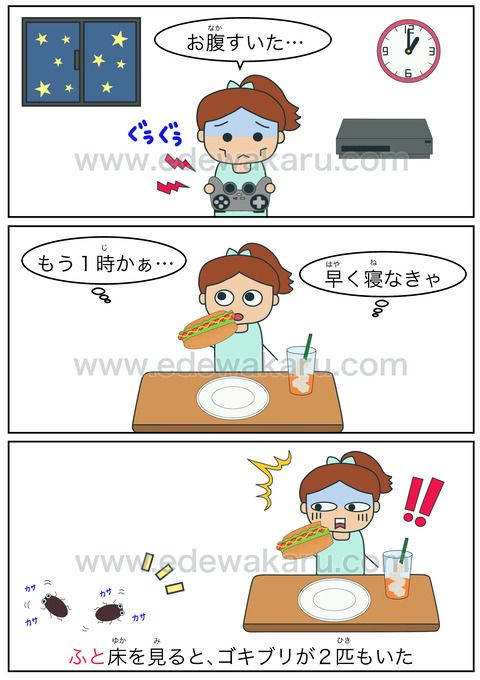
Means “when I casually….” What follows describes something noticed at that moment.
Means “because of some trivial cause, reason, or trigger.” ④ means “although it was not a serious illness that should have caused death, the person died.”
How to use it
ふと
ふとV-ると
ふとしたN
In context 11 examples
彼は映画の広告を見つけて、ふと立ち止まった。
He spotted an advertisement for a movie and stopped without thinking.
ふと思いついて近所の本屋に寄ってみることにした。
On a sudden thought, I decided to drop by the local bookstore.
人は死んでしまうとどうなるのだろうなどと妙なことをふと考えた。
I suddenly found myself wondering something odd, like what happens to people after they die.
普段は何とも思わないのだが、何かの拍子に、忙しいだけのこんな生活がふとむなしくなるときがある。
I don’t usually think anything of it, but sometimes, on some passing impulse, this life of nothing but work suddenly feels empty.
ふと見上げると、空にはぽっかり白い雲が浮かんでいた。
When I happened to look up, a white cloud was floating in the sky.
ふと見回すと、まわりには誰もいなくなっていた。
When I glanced around, everyone had disappeared.
仕事をしていて、ふと気がつくと外はもう暗くなっていた。
As I was working, I suddenly noticed that it had already grown dark outside.
長い一生の間には、ふとしたことで、人生が嫌になることがあるものだ。
In the course of a long life, something trivial can sometimes make you feel fed up with life.
ふとしたきっかけで、彼とつきあうようになった。
I started going out with him on the spur of the moment.
小さいころ、祖母にはずいぶん可愛いがってもらった。今でも、ふとしたひょうしに祖母のことを思い出すことがある。
When I was little, my grandmother was very affectionate toward me. Even now, something sometimes reminds me of her.
赤ん坊は、ふとした病気がもとで死んでしまった。
The baby died from a sudden illness.
Read the original source text
Meaning
「何かちょっとした拍子に」「思いがけなく」の意味。①のように、特別な理由も目的もなく、ちょっとした思いつきやきっかけで何かをする様子を表す。また、②③④のように「考える、思う、思い出す」や「むなしくなる、さびしくなる」のように心理的な変化を表す表現などといっしょに使われて、なぜかわからないが、何かちょっとした拍子に思いだしたり、気がついたりすることを表す。
「なにげなく…したら」の意味。後ろには、その拍子に何かに気がつくということがらが続く。
「ささいな原因、理由、きっかけで」という意味。④は「死ぬような大きな病気ではなかったのに、死んでしまった」という意味。
How to use it
ふと
ふとV-ると
ふとしたN
日本語文型辞典 英語版
Meaning
Means “at an unexpected moment” or “unexpectedly.” As seen in
(1)
, it means taking actions without any particular reason or purpose, on a whim or by accident. As in the cases of
(2)
,
(3)
, and
(4)
, combined with verbs such as考える, 思う, 思い出す (think, wonder, remember) or むなしくなる, さびしくなる (feel empty, sad) that indicate mood changes, it means recalling something or noticing something at an unexpected moment without knowing why.
Means “doing something without any particular thought.” Begins a phrase at the end of a sentence telling what the speaker has realized.
Means “unremarkable causes, reasons, triggers.”
(4)
means that the baby “died from an illness that was not considered to be serious.”
How to use it
1. ふと
2. ふとV-ると
3. ふとしたN
In context 11 examples
彼は映画の広告を見つけて、ふと立ち止まった。
When he noticed the poster for the film, he suddenly stopped walking.
ふと思いついて近所の本屋に寄ってみることにした。
On a whim, she decided to pop into a bookshop nearby.
人は死んでしまうとどうなるのだろうなどと妙なことをふと考えた。
I suddenly had strange thoughts about what happens to people when they die.
普段は何とも思わないのだが、何かの拍子に、忙しいだけのこんな生活がふとむなしくなるときがある。
I usually don’t think anything about it, but in an unexpected moment, there are times when a life that is only busy with so many things becomes pointless.
ふと見上げると、空にはぽっかり白い雲が浮かんでいた。
When I looked up, I noticed a soft, white cloud floating in the sky.
ふと見回すと、まわりには誰もいなくなっていた。
When I suddenly looked around, there was nobody left.
仕事をしていて、ふと気がつくと外はもう暗くなっていた。
I had been working for some time before I realized it was already dark outside.
長い一生の間には、ふとしたことで、人生が嫌になることがあるものだ。
During this long life, there are times when just a little thing can make it unpleasant.
ふとしたきっかけで、彼とつきあうようになった。
It was by chance that I started going out with him.
小さいころ、祖母にはずいぶん可愛がってもらった。今でも、ふとしたひょうしに祖母のことを思い出すことがある。
When I was little, my grandmother doted on me. Even now, sometimes something unexpected makes me remember her.
赤ん坊は、ふとした病気がもとで死んでしまった。
The baby died from an illness that had seemed insignificant at the time.
Read the original source text
Meaning
Means “at an unexpected moment” or “unexpectedly.” As seen in
(1)
, it means taking actions without any particular reason or purpose, on a whim or by accident. As in the cases of
(2)
,
(3)
, and
(4)
, combined with verbs such as考える, 思う, 思い出す (think, wonder, remember) or むなしくなる, さびしくなる (feel empty, sad) that indicate mood changes, it means recalling something or noticing something at an unexpected moment without knowing why.
Means “doing something without any particular thought.” Begins a phrase at the end of a sentence telling what the speaker has realized.
Means “unremarkable causes, reasons, triggers.”
(4)
means that the baby “died from an illness that was not considered to be serious.”
How to use it
1. ふと
2. ふとV-ると
3. ふとしたN