日本語文型辞典
Usage 1
Meaning
基本情報N/Na/A/V ではないか説明普通体の表現に付いて、話し手の驚きの気持ちや、聞き手に認識を迫る態度を表す。名詞、ナ形容詞の辞書形の場合は「だ」を介さずに直接付くことができるが、辞書形以外の場合は「だった/ではない/ではなかった」を介して接続する。「だ」の否定疑問形が固定化した表現で、書きことば的でややかたい言い方。普通、男性が用いる。くだけた話しことばでは、男性は「じゃないか」、女性は「じゃない」「じゃないの」などの形を使う。「じゃん」は、さらにくだけた言い方で男女共用いる。丁寧体は「ではないですか/ではありませんか」。タ形にはならず、いつも辞書形で用いられる点、「だろうか」が付いたりできない点で「ではないか2」とは異なる。
予想していなかったことを発見した場合の驚きの気持ちを表す。それが望ましいことならば④⑤のように「感心した」という意味になるが、期待に反していることならば、③のように落胆や期待はずれの意味になる。
地位が下か同等の相手を叱りつけたり、非難したりするのに使う。望ましくない現状が相手の責任で生じていることを相手にしっかり認識させようとする表現。下降調のイントネーションをとる。
聞き手も知っているはずの人やものごとについて、思い出させたり、現場で見聞きできるものに気づかせるような場合に用いる。聞き手が認識できたかどうかを確認する気持ちを伴うので、上昇調をとることが多く、確認を表す「だろう//でしょう」で置きかえられる。この用法は、会話特有の用法のため、「ではないか」の形ではあまり用いられず、たいてい「じゃないか」「じゃありませんか」「じゃないですか」の形で用いられる。
動詞の意向形に付き、いっしょに何かをしようと提案したり、自分の意志を強く表明したりするのに用いる。やや形式張った言い方で、普通、男性が使う。
How to use it
…ではないか【驚き・発見】
…ではないか【非難】
…ではないか【確認】
V-ようではないか
In context 17 examples
やあ、大野君ではないか。
これはすごい、純金ではないか。
なんだ、中身、空っぽじゃないか。
この店の料理、結構おいしいではありませんか。
このレポートなかなかよくできているではありませんか。
A:悪いのは君のほうではないか。
B:僕はそうは思いませんが。A:病人を連れ出したりしたら、だめじゃないか。
B:はい、これから気をつけます。A:おそかったじゃないか。
B:あの、道が混んでいたんです。A:まずいじゃありませんか、そんな発言をしては。
B:そうですか。A:はじめにそう言ってくれなくては困るではないか。
B:すみません、気がつかなくて。A:同級生に田中さんという女の子がいたじゃないか。
B:ああ、髪が長くてやせた子ね。A:あそこに、郵便局が見えるじゃないですか。
B:ええ。
A:あの手前の角を右に曲がってください。地下道などによくいるではありませんか。ああいう男が。
このクラスみんなでデイベート大会に申し込もうではないか。
とにかく、最後まで頑張ってみようではないか。
遠くからはるばる束たのだから、お金の心配などしないで十分楽しもうではないか。
売られた喧嘩だ。受けて立とうじゃないか。
Usage 2
Meaning
基本情報N/Na(なの)ではないかA/V のではないか説明名詞、ナ形容詞には「の」を介さずに直接付くことができるが、イ形容詞と動詞には「の」が必ず必要で「のではないか」の形で用いられる。この点で、「ではないか1」と異なる。くだけた言い方では、男性は「(ん)じゃないか」、女性は「(ん)じゃない」「んじゃないの」などを使う。丁寧形は「(の)ではないですか/(の)ではありませんか」となる。
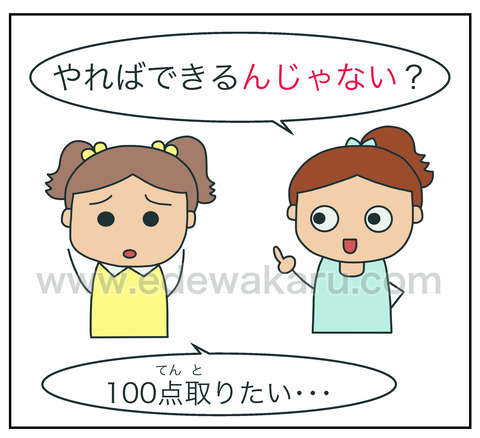
普通体の表現に付いて、「はっきりそうだと断定はできないが、おそらく…ではないだろうか」といった話し手の推測的な判断を表す。話し手の確信の度合いは「だろう」よりも低い。
「ではないか」に「思う」がついたもの。「思う」が辞書形の場合は、常に話し手の判断を表すが、③のように、「思った」となれば、三人称主語の判断を表すことができる。⑤の「思われる」は書きことば的な言い方で、話し手は必ずしも雇いの気持ちをもっているわけではなく、独断的な言い方を和らげる目的で使用されることが多い。
How to use it
…(の)ではないか
…(の)ではないかとおもう
In context 12 examples
あそこを歩いているのは、もしかして山下さんではないか。
こんな大きなアパートは一人暮らしにはちょっとぜいたくではないか。
もしかしたら、和子は本当は良雄が好きなのではないか。
この話は結局ハッピーエンドになるのではないか。
ファーストフード産業が伸びれば伸びるほどごみも増えるのではないか。
この品質でこの値段は、ちょっと高いのではないか。
これからますます環境問題は重要になるのではないか。
こんなうまい話は、うそではないかと思う。
どちらかというと妹さんの方がきれいなのではないかと思う。
話がうますぎるので、山田さんは、これは詐欺ではないかと思ったんだそうです。
もしかすると、彼女はこの秘密を知っているのではないかと思う。
この条件はわれわれにとって不利ではないかと思われる。
絵でわかる日本語
どんなときどう使う 日本語表現文型辞典
Usage 1
Meaning
it seems (to me)
How to use it
〔普通形〕(ナA/N)+ではないか
Explanation
ではないか〈判断〉
~だと思う
1)「~ではないか」の形の「~」で自分の判断を言い、相手にその自分の判断への同意を求めたり、相手に反論したりするときに使う。
2)丁寧な言い方では ❷ のように「ではありませんか」、くだけた会話では ❹ のように「じゃないか」になる。
1)Speaker states her judgment before ではないかto seek agreement from listener with speaker's judgment or to disagree with listener.
2)In polite speech, becomes ではありませんか, as in sentence ❷ ; in informal speech becomes じゃないか, as in sentence ❹ .
In context 4 examples
あの子はまだ子どもではないか。親はどうして彼を外で遊ばせないのだろう。
彼女はあなたのことをあんなに心配しているではありませんか。連絡してあげたらどうですか。
外は大雪じゃありませんか。こんな日に外出するのは危険ですよ。
勉強したくなければしなければいいじゃないか。自分のことは自分で判断しろ。
Usage 2
Meaning
to (my) amazement
How to use it
〔普通形〕(ナA/N)+ではないかW
Explanation
ではないか〈感動〉
驚いたことに~
「~ではないか」の「~」で述べることを 驚き・感嘆・感動などの気持ちで表す言い方。小説やエッセーなどに使われる書き言葉。
What is described before ではないか indicates surprise, amazement, or impression. Written expression used in novels and essays.
In context 4 examples
朝起きてみたら、何年も咲かなかった花が咲いているではないか。今日はきっと何かいいことがあると思った。
いつもは頼りない5歳の子どもが、病気のわたしを一生懸命看病してくれるではないか。
彼の引っ越し先はなんと人口1,000人の小さな孤島ではないか。
なんとこの犬はわたしの喜びや悲しみをみんなわかってくれるではありませんか。
日本語文型辞典 英語版
Meaning
【ではないか1】[N/Na/A/V ではないか]Attaches to plain forms and expresses surprise on the part of the speaker, or the intention to press the addressee for acknowledgement. With nouns or the dictionary form of na-adjectives, ではないか can be attached directly without using だ. However, for non-dictionary forms, だった/ではない/ではなかった must be inserted.
This is a fixed expression consisting of the negative interrogative form of だ, and it has the tone of written language or a somewhat formal situation. Usually used by men. In casual conversation, men use the form じゃないか and women the forms じゃない or じゃないの. The form じゃん, which is even more casual, is used by both sexes. In polite language, the forms ではないですか and ではありませんか are used. Always appears in the dictionary form and cannot be used in the ta-form; this, as well as the fact that it cannot be combined with だろうか are what distinguish it from ではないか
2.
Expresses surprise at an unanticipated discovery. If the discovery is something desirable, then ではないか conveys a favorable impression, as in
(4)
and
(5)
. If the discovery is contrary to one’s expectations, then the meaning is disappointment or discouragement, as in
(3)
.
B:僕はそうは思いませんが。
I don’t see it that way.
B:はい、これから気をつけます。
Yes, I’ll be more careful from now on.
B:あの、道が混んでいたんです。
Well, the traffic was really bad.
B:そうですか。
You think so?
B:すみません、気がつかなくて。
I’m sorry, I wasn’t thinking.
Used to reproach or criticize an addressee of the same or lower status. The purpose is to make the addressee acknowledge properly that s/he is responsible for an undesirable state of affairs. Used with falling intonation.
B:ああ、髪が長くてやせた子ね。
Oh yes, a thin girl with long hair.
B:ええ。
Yes.
A:あの手前の角を右に曲がってください。
At the corner just before it, please turn right.
Used to remind the listener of a person or thing s/he already knows, or to bring attention to something that can be seen or heard at the present location. Since this usage is associated with a desire to confirm that the listener has understood, it is often spoken with rising intonation, and it can be substituted with other expressions of confirmation such as だろう and でしょう.
Because this usage is almost exclusively conversational, the form ではないか is actually not used very often. The forms じゃないか, じゃありませんか, and じゃないですか are used instead.
Attached to the intentional form of a verb, this is used to suggest joint action or to express strongly one’s personal intention. A slightly formal expression, ordinarily used by males.
【ではないか2】[N/Na (なの)ではないか][A/V のではないか]Although this form can be attached directly to nouns or to na-adjectives without inserting の, in the case of i-adjectives and verbs, の must be inserted, resulting in the form のではないか. This point distinguishes ではないか2 from ではないか
Attached to expressions in the plain form, this expresses a conjecture on the part of the speaker, with the sense of “I can’t say for certain, but isn’t it likely that....” The speaker’s degree of conviction is lower than in the case of だろう.
This construction is formed by attaching 思う to ではないか. When the dictionary form 思う is used, it always expresses the speaker’s judgment; when 思った is used, as in
(3)
, the judgment of a third-person subject can be expressed. The form 思われる, which is used in
(5)
, has the tone of written language. This form is often used for the purpose of softening what would otherwise sound like a strong or dogmatic opinion; it does not necessarily mean that the speaker is in doubt of something.
How to use it
1. ...ではないか〈surprise, discovery〉
2. ...ではないか〈criticism〉
3. ...ではないか〈confirmation〉
4. V-ようではないか
1. In casual speech, men use (ん)じゃないか and women use forms such as (ん)じゃない and んじゃないの. The polite forms are (の)ではないですか and (の)ではありませんか.
1. ...(の)ではないか
2. ...(の)ではないかとおもう
In context 29 examples
やあ、大野君ではないか。
Well, if it isn’t Ono-kun!
これはすごい、純金ではないか。
This is really something—pure gold, right?
なんだ、中身、空っぽではないか。
What’s this? There’s nothing inside it, is there?
この店の料理、結構おいしいではありませんか。
Wouldn’t you say that this restaurant has pretty good food?
このレポートなかなかよくできているではありませんか。
This report really is actually rather good, isn’t it.
A:悪いのは君のほうではないか。
Aren’t you the one who’s really at fault?
A:病人を連れ出したりしたら、だめじゃないか。
Don’t you think it’s a bad idea to take a sick person out on a jaunt?
A:おそかったじゃないか。
You’re late, aren’t you?
A:まずいじゃありませんか、そんな発言をしては。
Isn’t there going to be trouble if you say that?
A:はじめにそう言ってくれなくては困るではないか。
We could have avoided a lot of trouble if you had told us that at the beginning.
A:同級生に田中さんという女の子がいたじゃないか。
Wasn’t there a girl in your class named Tanaka-san?
A:あそこに、郵便局が見えるじゃないですか。
You can see the post office over there, right?
地下道などによくいるではありませんか。ああいう男が。
Aren’t they usually in places like underground passageways— that kind of man?
このクラスみんなでディベート大会に申し込もうではないか。
Why don’t all of us in this class apply for the debate contest?
とにかく、最後まで頑張ってみようではないか。
Anyway, can’t we give it our best right up to the end?
遠くからはるばる来たのだから、お金の心配などしないで十分楽しもうではないか。
Since we’ve come all this way, let’s not worry about money and things, let’s just enjoy ourselves!
売られた喧嘩だ。受けて立とうじゃないか。
They’re asking for a fight. What’s to stop us from taking the challenge?
あそこを歩いているのは、もしかして山下さんではないか。
Might that be Yamashita-san walking over there?
こんな大きなアパートは一人暮らしにはちょっとぜいたくではないか。
Isn’t such a big apartment a little too luxurious for someone who lives alone?
もしかしたら、和子は本当は良雄が好きなのではないか。
Isn’t it possible that Kazuko is really in love with Yoshio?
この話は結局ハッピーエンドになるのではないか。
It looks like this story might just wind up with a happy ending.
ファーストフード産業が伸びれば伸びるほどごみも増えるのではないか。
As the fast food industry gets bigger and bigger, won’t that just create more trash?
この品質でこの値段は、ちょっと高いのではないか。
Isn’t this price a little steep for something of this quality?
これからますます環境問題は重要になるのではないか。
Won’t environmental problems become even more and more serious from now on?
こんなうまい話は、うそではないかと思う。
I have a hard time believing such a good deal to be true.
どちらかというと妹さんの方がきれいなのではないかと思う。
If I had to say, I think the younger sister is probably the prettier of the two.
話がうますぎるので、山田さんは、これは詐欺ではないかと思ったんだそうです。
The deal was too good to be true, so apparently Yamada-san thought it was most likely a scam.
もしかすると、彼女はこの秘密を知っているのではないかと思う。
I think that there’s a good chance she might know the secret.
この条件はわれわれにとって不利ではないかと思われる。
This condition might possibly work to our detriment.
AIUEO JLPT Grammar
Usage 1
Meaning
「〜ではないか・〜じゃないか」is used in the following ways:1.Suggestion or invitation: It is used to suggest doing something together.2.Emphasis or assertion: It is used to strongly state one’s opinion or seek agreement from the other person.3.Rhetorical question: It is used when questioning something, seeking confirmation or presenting a challenge.
How to use it
動詞+ではないかorじゃないか形容詞+ではないかorじゃないか形容動詞+ではないかorじゃないか名詞+ではないかorじゃないか
Explanation · 日本語
「〜ではないか・〜じゃないか」は、主に以下の意味を持ちます:1.提案・勧誘:何かを一緒にしようと提案する時に使います。2.強調・主張:自分の意見を強く述べたり、相手に同意を求める時に使われます。3.反問・疑問:何かについて疑問を呈し、相手に確認を求める時にも使われます。
In context 5 examples
明日、みんなで集まろうじゃないか。
Let’s all get together tomorrow.
今から一緒に行こうじゃありませんか!
Let's go together right now!
一曲歌おうではないか。
Let's sing a song.
今日はたくさん食べようではありませんか!
Let's eat a lot today!
一緒にこのプロジェクトを頑張ろうじゃないか。
Let's work hard on this project together.
Usage 2
Meaning
This sentence pattern is used when the speaker proposes or suggests something to the listener, often including an element of urging or seeking empathy.
How to use it
動詞意向形+ではないか動詞意向形+じゃないか
Explanation · 日本語
この文型は、話し手が相手に対して提案や意見を述べるときに使われる表現で、聞き手に行動を促したり、共感を求めたりするニュアンスを含んでいます。
In context 5 examples
明日、みんなで海に行こうではないか!
Let’s all go to the beach tomorrow!
もっと頑張ろうじゃありませんか!
Let’s work harder!
環境を守るために、今こそ行動しようではないか。
Let’s take action now to protect the environment!
週末に集まって、映画を見ようじゃありませんか。
Let’s get together this weekend and watch a movie!
この機会に、新しいことに挑戦しようじゃないですか。
Let’s take this opportunity to try something new!