AIUEO JLPT Grammar
Meaning
「〜以来」indicates that a certain event or point in time from the past has led to a continued state or situation up until the present. It is used when emphasizing continuity or influence.
How to use it
名詞+以来
Explanation · 日本語
「〜以来」は、過去に特定の出来事や時点があってから、現在までその状態や状況が続いていることを表す表現です。継続や影響を強調したいときに使われます。
In context 5 examples
事故以来、彼は車の運転をしなくなりました。
He has stopped driving since the accident.
彼とは高校以来の友達です。
He has been my friend since high school.
結婚以来、二人はとても幸せそうです。
The two of them have seemed very happy since they got married.
この映画は公開以来、ずっと話題になっています。
This movie has been a topic of conversation since it was released.
地震以来、この地域ではまだ復興作業が続いている。
Since the earthquake, reconstruction work has been ongoing in this area.
文法
Meaning
〜してから、今までずっと。
How to use it
V(て形) + 以来
N + 以来
Notes
・「〜てから 」とだいたい同じ意味だが、「〜て以来 」は過去からずっと続いていることを表すので、後の行動が1回だけのことには使わない。
・近い過去から現在までのことを話す場合は使えない。
・未来のことを表すことができない。
In context 15 examples
日本に来て以来、毎日家族にメールを送っている。
学校を卒業して以来、田中さんとは一度も会っていません。
一人暮らしを始めて以来、ずっと外食が続いている。
3年前に離婚して以来、ずっと独身です。
この会社は設立されて以来、毎年業績が伸びている。
あの音楽を聞いて以来、私はずっと彼のファンです。
RADWIMPSのファンになって以来、毎年コンサートに行っています。
離婚して以来、前の妻にも息子にも会っていない。
この「絶対に失敗しないプレゼンテーション」という本を読んで以来、プレゼンテーションが怖くなくなった。
トムさんとは喧嘩して以来、遊ばなくなった。
入社以来、彼とは毎日のように相談し合っている。
この商品は、発売以来、多くのお客様に愛されてきました。
あの店は開店以来、お客さんが絶えません。
大学に入学以来、生活のために毎日バイトしている。
あの日以来、僕たちは口をきかなくなった。
Bunpro Grammar Reference
Meaning
Since, Henceforth
How to use it
Verb[て]+ 以来
Noun + 以来
それ(1) + 以来
(1) これ、あれ
Nuance
A construction showing when (B) has not changed since (A). Or that nothing is expected to change henceforth.
Explanation
When the noun, 以来 'ever since' is paired with the て-form of verbs, or with nouns, it indicates that (B) is something that has continued non-stop since (A), or will continue non-stop from (A). This may be interpreted as 'since (A)', 'henceforth', or 'ever since (A)'.
二年前にタバコをやめて以来、一本も吸ってない。
I haven't smoked a single cigarette ever since I quit 2 years ago.
日本に来て以来、全然母国の友達と連絡をとっていない。
I haven't kept in touch with my friends back home ever since I moved to Japan.
久しぶり!卒業以来じゃない?
Long time no see! (We haven't met) since graduation, right?
入社以来、あの先輩には色々とお世話になっている。
That senpai has helped me in many ways since I've joined the company.
The key point of 以来 is that it indicates an ongoing state. Due to this, it focuses on (B) being something that will continue non-stop until a change is caused externally.
Caution
Occasionally, 以来 may also be used to express a specific number of (B) that has occurred since (A). While this use is closer to 'since', it still just indicates that 'in total', (B) has occurred 'ever since (A)'. This will place a stronger emphasis on the amount of (B) being shocking in some way than a simpler structure like から.
海外転職して以来、5年も日本に帰っていない。
I have not been back to Japan for five years since I changed jobs overseas.
去年この大学に入学して以来、1回しか実家に帰っていない。
I have only been back to my parents' house once since I entered university last year.
Nuance · 日本語
(B)が(A)から変わっていないということを表す表現。これ以上変わることはないということも表す。
Explanation · 日本語
名詞の「以来」は動詞のテ形や名詞と結びついて、「(A) してから」という意味を表します。これは、(A) をしたときからずっと (B) が続いていることを表す表現です。
二年前にタバコをやめて以来、一本も吸ってない。
I haven't smoked a single cigarette ever since I quit 2 years ago.
日本に来て以来、全然母国の友達と連絡をとっていない。
I haven't kept in touch with my friends back home ever since I moved to Japan.
久しぶり!卒業以来じゃない?
Long time no see! (We haven't met) since graduation, right?
入社以来、あの先輩には色々とお世話になっている。
That senpai has helped me in many ways since I've joined the company.
「以来」のポイントは、それが「継続中の状態」であることです。 この文型では (B) が外的な原因によって途切れるまでずっと続くものであることに焦点が当てられています。
注意点
「以来」は (A) をしたときから今までに (B) が起こった回数を表すこともあります。「以来」を使うことで、単に「から」を使うよりも、(B) の回数に対する驚きを強調することができます。
海外転職して以来、5年も日本に帰っていない。
I have not been back to Japan for five years since I changed jobs overseas.
去年この大学に入学して以来、1回しか実家に帰っていない。
I have only been back to my parents' house once since I entered university last year.
In context 18 examples
- あの原稿を読んで以来、すっかり彼のファンになった。
Since reading that manuscript, I have become a total fan of his.
- 入社以来、あの先輩には色々とお世話になっている。
That senpai has helped me in many ways since I've joined the company.
- 二年前にタバコをやめて以来、一本も吸ってない。
I haven't smoked a single cigarette ever since I quit 2 years ago.
- 日本に来て以来、全然母国の友達と連絡をとっていない。
I haven't kept in touch with my friends back home ever since I moved to Japan.
- 久しぶり!卒業以来じゃない?
Long time no see! (We haven't met) since graduation, right?
- 紅葉が始まって以来、店は超満員だ。
Since fall colors started, it has been teeming with people at the restaurant.
- 卒業して以来だな。この校舎を見に来たのは。
I haven't come to see this school building since graduation.
- シフトを交替して以来、彼とは全然会わなくなった。
Since changing shifts, I haven't seen him at all.
- 休業して以来、再開の目処が立っていない。
Since closing my business, the prospect of reopening hasn't come up.
- 兄が移住して以来、全然連絡が取れない。
Since my brother emigrated, I haven't been able to contact him.
- 事実を公表して以来、いろんな方が支援してくれるようになった。
Since publishing the facts, various people have come to give me support.
- カマチョさんが首相に就任して以来、税金が上がる一方だ。
Taxes keep on rising since Mr. Camacho assumed the office of prime minister.
- お父さんは3年前に引退した。それ以来、自由な時間がたくさん。
My father retired three years ago. Since then he has a lot of free time.
- チームを強化して以来の連勝記録は今も続いている。
The series of victories since the strengthening of the team is still continuing now.
- 子供の頃に見学して以来、父の会社には行っていません。
Since I went and visited when I was kid, I haven't gone to my father's company.
- 8年前に日本語を勉強し始めて以来、毎日、しっかり勉強してる。
Since I began studying Japanese 8 years ago, I study hard every day.
- 海外転職して以来、5年も日本に帰っていない。
I have not been back to Japan for five years since I changed jobs overseas.
- 去年この大学に入学して以来、1回しか実家に帰っていない。
I have only been back to my parents' house once since I entered university last year.
DoJG 日本語文法辞典(全集)
Meaning
Since
How to use it
(i) Noun | 以来 | Where Noun indicates an event or a specific time |
| 卒業以来 | Since someone’s graduation |
| 五月三日以来 | Since May 3 |
(ii) Vて | 以来 | |
| 帰って以来 | Since someone returned |
(iii) Demonstrative Adjective | 以来 | |
| あれ以来 | Since that time |
Explanation
An adverb meaning "since"
In context 13 examples
大統領の支持率が就任以来最低となった。
The president's approval ratings have hit their lowest level since his presidency began.
G社が、創業以来初めてホームページのデザインを変更した。
Company G changed the design of its homepage for the first time since it opened for business.
肝臓を患って以来、酒はやめている。
I've stopped drinking since I had my liver problem (literally: suffered from liver (disease)).
植村に会うのは十年前の高校のクラス会以来だ。
This will be the first time since our high school class reunion 10 years ago that I've seen Uemura.
二年ほど前に重いスーツケースを持ち上げようとして腰を痛めてしまった。それ以来、重いものは持てなくなった。
About two years ago I damaged my back when I tried to lift a heavy suitcase. Since then I haven't been able to lift heavy things.
国の教育ローンの利用者が制度発足以来初めて三百万人を超えた。
The number of users of the state's education loan (program) has exceeded 3 million for the first time since the inauguration of the system.
当ホテルは、明治42年創業以来90年の歴史を持っています。
Our hotel boasts a 90-year history, having been established in the 42nd year of Meiji.
琵琶湖の水位が今月6日、プラス31センチとなり、昨年7月21日以来、8か月ぶりに基準値に戻った。
On the 6th of this month, the water level in Lake Biwa reached 31 centimetres above zero, returning to the standard level for the first time in eight months, or since July 21 last year.
半導体市場は95年以来の二桁成長が予測されている。
Two-digit growth is predicted in the semiconductor market for the first time since 1995.
ジョンソン氏が社長に就任して以来、この会社は次々に大きな改革を行った。
Since Mr. Johnson became president, this company has carried out one major reform after another.
生の舞台を見て以来、すっかり歌舞伎のファンになってしまった。
Ever since seeing my first live performance, I've become a big fan of kabuki.
この空港始まって以来の大事故となった。
This is the worst accident since this airport opened.
先週清美と大げんかをした。それ以来、彼女とは口をきいていない。
I had a ferocious quarrel with Kiyomi last week. Since then, I haven't talked to her.
絵でわかる日本語
Meaning
〜てからずっと
How to use it
動詞[て形]+以来
名詞[辞書形]+以来
Explanation
「〜て以来」は「〜てからずっと」という意味を表す文型です
😊この文型のポイントは
「〜てから、ずっと…の状態が続いている」というように【継続】を表すというところです
😮「〜てから、今までずっと…」と覚えるといいですね😉
【N2・N3を受ける人へ】
次のような場合は「〜て以来」を使用することができません😨
①新しいことの発生
❌結婚して以来、10年目に赤ちゃんが生まれた
結婚が10年間継続していますが、「赤ちゃんが生まれた」ことは新しく発生したことですから「〜て以来」を使うことができません😦
②近い過去
❌息子は学校から帰ってきて以来、自分の部屋から出てこない
この例文だと、「学校から帰ってきてから今まで」ですから「数時間前」の過去を表すものとなります。このような「近い過去」に「〜て以来」は使うことができません😧
「〜てから」は「〜て以来」より会話でもよく使われ、使える範囲も広いですよ😉
In context 5 examples
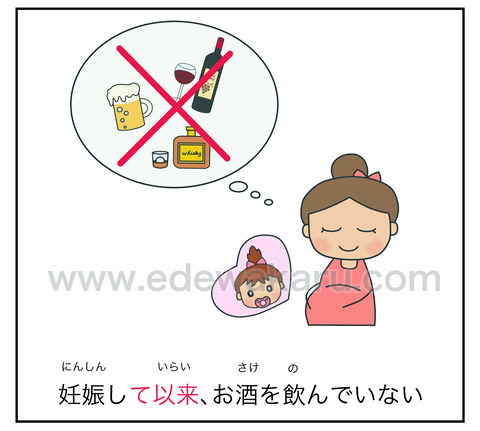
妊娠して以来、お酒を飲んでいない
→妊娠してからずっと、お酒を飲んでいない高校を卒業して以来、山田くんに会っていない
→高校を卒業してからずっと、山田くんに会っていない彼は入社して以来、1度も会社を休んでいない
→彼は入社してからずっと、1度も会社を休んでいないあのドラマを見て以来、彼女のファンです
→あのドラマを見てからずっと、 彼女のファンです入院以来、健康に気をつけている
→入院してからずっと、健康に気をつけている
日本語文型辞典
Meaning
a. Nいらい
ある時点や出来事を表す名詞を受けて、その時からずっと今に至るまでという意味を表す。
b. V-ていらい
過去にある出来事が起こってから、ずっと今に至るまでという意味を表す。近い過去については用いられない。
c. V-ていらいはじめて
過去のある時点からずっと時間がたって初めてという意味を表す。
過去の時点や過去の出来事を表すことばを受けて、その時からずっと時間がたって久し振りであることを表す。
How to use it
いらい
Nは、…いらいだ
Nは、Nいらいだ
Nは、V-ていらいだ
In context 16 examples
あれ以来彼女は姿を見せない。
先週以来ずっと会議続きで、くたくたに疲れきっている。
母は、去年の入院以来気弱になってしまった。
夏休みに風邪で寝込んで以来、どうも体の調子が悪い。
インドから帰ってきて以来、彼はまるで人が変わったようだ。
スポーツクラブに通うようになって以来、毎日の生活に張りが出てきた。
この家に引っ越して以来、毎日のようにいたずら電話がかかる。
(誤) 弟は夕方うちに帰ってきて以来、部屋に閉じ込もったきりだ。
(正) 弟は先月イギリス出張から帰ってきて以来、忙しくて毎晩夜中まで帰ってこない。
引っ越してきて以来、初めて隣の人と言葉を交わした。
大学に入って以来、初めて図書館を利用した。
この冬になって以来初めての寒波で、死者が6人も出た。
お会いするのは、去年の9月以来ですね。
海外旅行はおととしトルコに行って以来だ。
数学の問題を解いたのは大学入試以来のことだから、もう何年ぶりになるだろうか。
郷里に帰るのは、7年前に祖父の法事に出た時以来なので、町はかなり様子が変っていた。
くらべてわかる日本語表現文型辞典
Meaning
意味1:A(になって)からずっと、Bという状態が続いている。
意味2:Aという状態になってからの回数を述べる。
How to use it
A以来B
[動詞-て形]以来
[名詞-∅]以来
Explanation
【対比1】
「AてからというものB」(意味1 P.142)
「A以来B」のAは名詞でも成立するが、「AてからというものB」は、テ形のみである。「AてからというものB」のBには以前とは一変した状態が来るが、「A以来B」にはその制約はない。
○この車は、発売して以来、すごい人気だ。
×この車は、発売してからというもの、すごい人気だ。
Notes
【注意2】
・Bに回数がないものは、Aのあと今回が初めてであることを表す。
In context 8 examples
生牡蠣で食中毒を起こして以来、牡蠣が嫌いになった。
交通事故を起こして以来、運転はしていません。
この店は開店以来、連日満員だ。
法律の改正以来、飲酒運転による事故が減っている。
去年、来日して以来、初めての帰国をした。
横綱になって以来、8度目の全勝優勝を成し遂げた。
昨日、結婚して以来、2度目の大喧嘩をした。
父の葬式以来、2週間ぶりに家族全員が顔を合わせた。
日本語NET JLPT文法解説まとめ
Meaning
〜してから、今までずっと。
How to use it
V(て形) + 以来
N + 以来
Explanation
All the time since ~ / ever since
・「〜てから 」とだいたい同じ意味だが、「〜て以来 」は過去からずっと続いていることを表すので、後の行動が1回だけのことには使わない。
・近い過去から現在までのことを話す場合は使えない。
・未来のことを表すことができない。
In context 15 examples
日本に来て以来、毎日家族にメールを送っている。
学校を卒業して以来、田中さんとは一度も会っていません。
一人暮らしを始めて以来、ずっと外食が続いている。
3年前に離婚して以来、ずっと独身です。
この会社は設立されて以来、毎年業績が伸びている。
あの音楽を聞いて以来、私はずっと彼のファンです。
RADWIMPSのファンになって以来、毎年コンサートに行っています。
離婚して以来、前の妻にも息子にも会っていない。
この「絶対に失敗しないプレゼンテーション」という本を読んで以来、プレゼンテーションが怖くなくなった。
トムさんとは喧嘩して以来、遊ばなくなった。
入社以来、彼とは毎日のように相談し合っている。
この商品は、発売以来、多くのお客様に愛されてきました。
あの店は開店以来、お客さんが絶えません。
大学に入学以来、生活のために毎日バイトしている。
あの日以来、僕たちは口をきかなくなった。
毎日のんびり日本語教師
Meaning
~てから今までずっと~
How to use it
名詞+以来
動て形+以来
Explanation
時間を表す名詞と動て形に接続して、「~てから今までずっと~」という意味を表します。
発生してまだ時間があまり経っていないと使えません。
また、後項では必ず継続した状態を述べます。連続的な動作や新しく発生した動作を述べることはできません。
Notes
特になし
In context 8 examples
彼には中学以来会ってなかったけど全然変わっていなかった。
北海道は高校の修学旅行以来行っていない。
親とは家出して以来一度も会ってない。
フラれて以来、ずっと落ち込んでいる。(被甩了以后一直郁郁寡欢)
今日は仕事始めて以来最高の激務だ。
入社以来、年末年始は一度も休めたことがない。
友達から大学の時に借りて以来、この本はずっとうちの本棚に置かれている。
先月定年退職して以来、悠々自適な生活を送っている。
NINJAL 日本語文型データベース
Meaning
ある状態や継続的な行為・出来事の時間的な起点を表します。「〜」の前と後で、大きな違いが生じたと言いたいときに使います。
「(〜のは)〜以来だ・〜以来のN」の形でも使います。
How to use it
Vて以来
N以来
Notes
近い過去から続いていることについては使いません。
「〜」には、過去のある時点の行為や出来事を表す言葉がきます。「〜以来」の後には、状態や行為・出来事の継続を表す文がきます。また、変化を表す文がきて、変化後の状態の持続を示すこともあります。
In context 13 examples
私たちは10年前に一緒に温泉に行って以来、毎年同じメンバーでどこかに旅行をしている。
花粉症になって以来、春先はいつもティッシュペーパーが手放せない生活だ。
あの喫茶店でオムライスを食べて以来、その味が忘れられない。
病気をして以来、お酒は一切飲まなくなりました。
友人に自分のしゃべり方の癖を指摘されて以来、普段の生活でも気になるようになってしまった。
当店は1950年に創業して以来の味を守り続け、地元の皆様にご愛顧をいただいております。
この町を訪れるのは、子どものころに家族で旅行して以来だ。
岩田さんは入社以来一度も体調不良で休んだことはない。
我が社の情報誌『ジョイライフマガジン』は、創刊以来、読者の目線に立った情報提供を一貫して行ってきました。
大震災以来、災害時の備えとして防災グッズを用意する家庭が増えている。
小学生のころは親の転勤であちこちを転々としていたが、中学入学以来、ずっとこの町に住んでいる。
高校卒業以来音信不通だった友人から、昨日突然電話がかかってきた。
その日、慌てて教室を出ていく伊藤さんを見かけたが、それ以来、大学で彼女の姿を見ていない。
IMABI
以 Adverbial Nouns
Read this IMABI lesson ↗Explanation
以 Adverbial Nouns
This lesson is about a handful of important phrases which start with the character 以. Adverbial nouns can follow other nouns without particles and can easily just be used as adverbs and after the て形.
以外 以内 以降 以後
以前 以来 以上 以下
以遠 以往 以東 以北
以南 以西
以外
1. Attached to a nominal phrase meaning “except”.
1. 九州と四国以外で地震が発生した。
With exception of Kyushu and Shikoku, earthquakes had occurred everywhere.
2. これ以外に方法はありませんよ。
There is no method other than this.
3. 従業員以外の方の入室は{お断ことわりします・禁きんじられています}。
Entrance except for employees is prohibited.
2. 以外の何なにものでもない means “… is entirely…”.
4. 愚痴ぐち以外の何ものでもない。
It is complete stupidity.
5. 好奇心こうきしん以外の何ものでもありませんね。
It’s entirely curiosity isn’t it?
3. ”Apart from”.
6a. 城壁じょうへき以外の地へは踏ふみ込めないなら、大砲たいほうを撃うつがよい。(Bookish)
6b. 城壁以外から踏み込めないなら、大砲を撃つ(の)がよい。(More natural)
If you cannot break in apart from the wall, it would be good to fire the cannon.
以内
The opposite of 以外, 以内 means “inside of/within”.
7a.境界線きょうかいせん以内に止まる。
7b. 境界線の中で止まる。(More natural)
To stop within the boundary line.
8. 二百字以内で纏まとめられるのか。(Harsh)
Can you summarize it within 200 characters?
9. 6時間以内に着くはずです。
It is supposed to arrive within 6 hours.
以降
以降 means “thereafter”.
10. 20世紀以降、日本は新技術において進んでいます。
From the 20th century thereafter, Japan has been advancing in new technology.
11. 面会人は午後10時以降本病院に留まることはできません。
Visitors can not remain in the hospital on and after 10 p.m.
12. 8時以降は店を閉じています。
We will close the shop after 8 o’ clock.
以後
Following after nouns and the て形 of a verb, 以後 means “thereafter/since then”. 以後 is quite objective while 以降 is not. 以後 may also mean “from now on”.
13a. 以後、十分気をつけます。
13b. 以後はもっと注意します。
I’ll be more careful from now on.
14. その店舗は7時{以後は・以降は・から}開店しています。
The shop will be open after 7 o’ clock.
15. 彼女は先々週せんせんしゅう風邪を引いて、以後ずっと寝込んでいます。
She caught a cold two weeks ago and has been in bed ever since.
16. それ以後ずっと
Ever after
17a. 退職以後たいしょくいごは悠々自適ゆうゆうじてき。
17b. 退職後は悠々自適。(More natural)
After retirement is leisure with dignity.
以前
The opposite of 以降, 以前 means “before” or “ago”.
18. 以前どこかであなたに出会ったことがあります。
I believe I’ve seen you somewhere before.
19. 4人とも以前は旧「Enron」に勤めていた。
All four formerly worked at Enron.
20. 以前よりずっとよく見えます。
It looks much better than it was before.
21. 以前ほど魚を食べていない。
We’re eating not as much fish.
22. 俺は以前にもまして勉強しようと決めたのだよ。
I decided to study harder still more than ever before.
以来
以来 means “from/since”. In a slightly old fashioned sense, it may mean “henceforth”. It is used when the situation is continuing action or state since a certain point in time. Other situations are taken care of by ~てから. Also, this phrase is interchangeable with the even more less frequently used ~てこのかた.
23a. 以来君と旅行するのはご免めんだ。(Original from text; old-fashioned)
23b. 今後、君と旅行するのはご免だ。(More natural)
I decline from traveling with you henceforth.
From 漱石そうせき.
24a. 以来、気をつけたまえ。(Old-fashioned)
24b. 以後、気をつけたまえ。(Slightly old-fashioned; Masculine)
From henceforth, be careful.
25. 彼は大学を出て以来会社に勤めています。
He has been working at the company since he left college.
26a. 子供の頃ころ以来知っている。
26b. 子供の頃から知っている。(More natural)
To know since childhood.
27. 佐伯に関しては、このマンションに越して以来、何の音沙汰もなかったから、徐々に緊張が解け始めているが、拳銃のことは、日を追うに連れて祥子の心に重くのしかかってきていた。
In regards to Sahaku, there hadn’t been any news since moving into this apartment, so Sachiko’s tensions gradually began to wind down, but as for the handgun, as she pursued the days, it came to press heavily on her heart.
From 冷たい誘惑 by 乃南アサ.
Word Note: 音沙汰 literally has “sound” and “incident” in it. Although 沙汰 in this case is used to mean “update”, the word is most likely used here to continue a not so favorable tone in regards to 佐伯. Here are some more phrases with 沙汰.
警察沙汰 Police case 取り沙汰 Idle talk 裁判沙汰 Litigation
表沙汰 Creating publicity 色恋沙汰 Love affair 狂気の沙汰 Madness
以上
1. “More than”.
28. このグループには12歳以上の子供が含ふくまれている。
Children twelve and over are included in this group.
29. iPadは400ドル以上する。
The iPad costs 400 dollars and over.
30. 3ヶ月以上大阪に滞在たいざいするつもりだ。
I plan to stay in Osaka for over three months.
31. 予想以上
Beyond expectation
32. 期待以上でした。
It exceeded our hopes.
33. これ以上の面倒めんどうには耐たえられない。
I can’t take it anymore.
2. Above-mentioned; foregoing; herein-before.
34. 以上の説明でご理解を頂いただきたい。
I would like to receive some understanding with the above explanation.
35. 以上は方法を説明したものだ。
The above-mentioned explains how to do it.
3. That is the end; the end; this is all.
36. 以上で私の報告は終わります。
Let me finish my report with this.
37a. 死亡者3千名、行方不明者1万5千名、以上1万8千名。
37b. 死亡者3千名、行方不明者1万5千名、計1万8千名。
Fatalities 3000 people, missing people 15,000 people, and 18,000 people in total.
4. Following the 連体形 of a verb, it means “seeing that”, “over”, or “since”.
38. 前回の売り上げ以上の成績を上げる。
To raise improvements over the previous sales.
39. 昨年以上に売り上げは伸のばせない。
We can’t boost our sales above as they were last year.
40. (私を)信頼できない以上、犬の世話をさせるべきじゃない。
Since you don’t trust me, you should not let me take care of your dog.
以下
以下 means “below(-mentioned)/following”.
41. 以下次号。
To be continued.
42. 結果は以下の通り。
The results are as follows.
43a. 氷点以下となったため、寒さで体温の下がる低体温症で亡くなった方もいました。(Rare)
43b. 氷点下となりましたから、寒さで体温の下がる低体温症で亡くなった方もいました。
Because it has become below freezing, there are those that have died from hypothermia due to loss of body temperature from the cold.
44. 小数点以下を切り捨てる。
To round off the figures below/after the decimal point.
45. 社長以下八名が出席しました。
With the president, eight people in total were present.
以遠 & 以往
以遠 means “beyond” and 以往 means “hereafter/formerly”.
46. この電車は大阪以遠は各駅停車となります。
This train stops at Osaka and all stations beyond.
47a. 終戦以往百年。(Literary; old-fashioned)
47b. 終戦後百年。(Natural)
47c. 終戦以来百年。(Natural)
100 years hereafter the war.
以東、以北、以南、以西
These words, 以東, 以北, 以南, and 以西 mean “east of”, “north of”, “south of”, and “west of” respectively. However, the area is everything below. So, consider that when you use these words.
48. 東京以東
East of Tokyo
49. 東京の東は千葉県です。
To the east of Tokyo is Chiba Prefecture.
50. ミシシッピ川以西はグレート・プレーンズです。
West of the Mississippi River are the Great Plains.
51a. 東京以北には福島第一原発発電所があります。X
51b. 東京の北には福島第一原発発電所があります。〇
51c. 福島第一原発発電所は東京の北です。〇
North of Tokyo is the Fukushima Number One Nuclear Electric Power Plant.
52a. 仙台以南は東京です。X
52b. 仙台の南に東京はあります。〇
52c. 東京は仙台の南です。〇
South of Sendai is Tokyo.
In context 69 examples
九州と四国以外で地震が発生した。
With exception of Kyushu and Shikoku, earthquakes had occurred everywhere.
これ以外に方法はありませんよ。
There is no method other than this.
従業員以外の方の入室は{お断ことわりします・禁きんじられています}。
Entrance except for employees is prohibited.
以外の何なにものでもない means “… is entirely…”.
It is complete stupidity.
愚痴ぐち以外の何ものでもない。
It is complete stupidity.
好奇心こうきしん以外の何ものでもありませんね。
It’s entirely curiosity isn’t it?
城壁じょうへき以外の地へは踏ふみ込めないなら、大砲たいほうを撃うつがよい。(Bookish)
If you cannot break in apart from the wall, it would be good to fire the cannon.
城壁以外から踏み込めないなら、大砲を撃つ(の)がよい。(More natural)
If you cannot break in apart from the wall, it would be good to fire the cannon.
境界線きょうかいせん以内に止まる。
To stop within the boundary line.
境界線の中で止まる。(More natural)
To stop within the boundary line.
二百字以内で纏まとめられるのか。(Harsh)
Can you summarize it within 200 characters?
6時間以内に着くはずです。
It is supposed to arrive within 6 hours.
20世紀以降、日本は新技術において進んでいます。
From the 20th century thereafter, Japan has been advancing in new technology.
面会人は午後10時以降本病院に留まることはできません。
Visitors can not remain in the hospital on and after 10 p.m.
8時以降は店を閉じています。
We will close the shop after 8 o’ clock.
以後、十分気をつけます。
I’ll be more careful from now on.
以後はもっと注意します。
I’ll be more careful from now on.
その店舗は7時{以後は・以降は・から}開店しています。
The shop will be open after 7 o’ clock.
彼女は先々週せんせんしゅう風邪を引いて、以後ずっと寝込んでいます。
She caught a cold two weeks ago and has been in bed ever since.
それ以後ずっと
Ever after
退職以後たいしょくいごは悠々自適ゆうゆうじてき。
After retirement is leisure with dignity.
退職後は悠々自適。(More natural)
After retirement is leisure with dignity.
以前どこかであなたに出会ったことがあります。
I believe I’ve seen you somewhere before.
4人とも以前は旧「Enron」に勤めていた。
All four formerly worked at Enron.
以前よりずっとよく見えます。
It looks much better than it was before.
以前ほど魚を食べていない。
We’re eating not as much fish.
俺は以前にもまして勉強しようと決めたのだよ。
I decided to study harder still more than ever before.
以来君と旅行するのはご免めんだ。(Original from text; old-fashioned)
I decline from traveling with you henceforth.
今後、君と旅行するのはご免だ。(More natural)
I decline from traveling with you henceforth.
以来、気をつけたまえ。(Old-fashioned)
From henceforth, be careful.
以後、気をつけたまえ。(Slightly old-fashioned; Masculine)
From henceforth, be careful.
彼は大学を出て以来会社に勤めています。
He has been working at the company since he left college.
子供の頃ころ以来知っている。
To know since childhood.
子供の頃から知っている。(More natural)
To know since childhood.
佐伯に関しては、このマンションに越して以来、何の音沙汰もなかったから、徐々に緊張が解け始めているが、拳銃のことは、日を追うに連れて祥子の心に重くのしかかってきていた。
In regards to Sahaku, there hadn’t been any news since moving into this apartment, so Sachiko’s tensions gradually began to wind down, but as for the handgun, as she pursued the days, it came to press heavily on her heart.
このグループには12歳以上の子供が含ふくまれている。
Children twelve and over are included in this group.
iPadは400ドル以上する。
The iPad costs 400 dollars and over.
3ヶ月以上大阪に滞在たいざいするつもりだ。
I plan to stay in Osaka for over three months.
予想以上
Beyond expectation
期待以上でした。
It exceeded our hopes.
これ以上の面倒めんどうには耐たえられない。
I can’t take it anymore.
以上の説明でご理解を頂いただきたい。
I would like to receive some understanding with the above explanation.
以上は方法を説明したものだ。
The above-mentioned explains how to do it.
以上で私の報告は終わります。
Let me finish my report with this.
死亡者3千名、行方不明者1万5千名、以上1万8千名。
Fatalities 3000 people, missing people 15,000 people, and 18,000 people in total.
死亡者3千名、行方不明者1万5千名、計1万8千名。
Fatalities 3000 people, missing people 15,000 people, and 18,000 people in total.
Following the 連体形 of a verb, it means “seeing that”, “over”, or “since”.
To raise improvements over the previous sales.
前回の売り上げ以上の成績を上げる。
To raise improvements over the previous sales.
昨年以上に売り上げは伸のばせない。
We can’t boost our sales above as they were last year.
(私を)信頼できない以上、犬の世話をさせるべきじゃない。
Since you don’t trust me, you should not let me take care of your dog.
以下次号。
To be continued.
結果は以下の通り。
The results are as follows.
氷点以下となったため、寒さで体温の下がる低体温症で亡くなった方もいました。(Rare)
Because it has become below freezing, there are those that have died from hypothermia due to loss of body temperature from the cold.
氷点下となりましたから、寒さで体温の下がる低体温症で亡くなった方もいました。
Because it has become below freezing, there are those that have died from hypothermia due to loss of body temperature from the cold.
小数点以下を切り捨てる。
To round off the figures below/after the decimal point.
社長以下八名が出席しました。
With the president, eight people in total were present.
この電車は大阪以遠は各駅停車となります。
This train stops at Osaka and all stations beyond.
終戦以往百年。(Literary; old-fashioned)
100 years hereafter the war.
終戦後百年。(Natural)
100 years hereafter the war.
終戦以来百年。(Natural)
100 years hereafter the war.
東京以東
East of Tokyo
東京の東は千葉県です。
To the east of Tokyo is Chiba Prefecture.
ミシシッピ川以西はグレート・プレーンズです。
West of the Mississippi River are the Great Plains.
東京以北には福島第一原発発電所があります。X
North of Tokyo is the Fukushima Number One Nuclear Electric Power Plant.
東京の北には福島第一原発発電所があります。〇
North of Tokyo is the Fukushima Number One Nuclear Electric Power Plant.
福島第一原発発電所は東京の北です。〇
North of Tokyo is the Fukushima Number One Nuclear Electric Power Plant.
仙台以南は東京です。X
South of Sendai is Tokyo.
仙台の南に東京はあります。〇
South of Sendai is Tokyo.
東京は仙台の南です。〇
South of Sendai is Tokyo.