AIUEO JLPT Grammar
Meaning
This sentence pattern expresses discomfort or distress caused by something unbearable, either mentally or physically. It is often used to complain or convey dissatisfaction, including mild grievances.
How to use it
動詞て形ては+かなわない形容詞て形ては+かなわない形容動詞では+かなわない名詞では+かなわない
Explanation · 日本語
この文型は、何かが不快で、精神的・肉体的に耐えられない、あるいは困っていることを表す表現です。特に、話し手が強く不満を感じている場合や、繰り返される状況に対するストレスを訴えるときに使われます。軽い愚痴や文句を述べるときにも適しています。
In context 5 examples
毎日残業してはかなわないよ。
I can’t stand working overtime every day.
文句ばかり言われてはかなわない。
I can’t stand being complained to all the time.
こんなに騒がれてはかなわないです。
I can’t stand this much noise.
こんなに宿題が多くてはかないません。
I can't handle having so much homework.
商品が壊れていてはかないません。
It's no good if the product is broken.
Bunpro Grammar Reference
Meaning
It's unbearable when, It'd be unbearable if, I can't stand it when, I couldn’t stand it if
How to use it
Verb[られる][て̶]+ては(1)+かなわない
[い]Adjective[い̶]+くては(1)+かなわない
[な]Adjective+では(2)+かなわない
Noun+では(2)+かなわない
(1) ちゃ
(2)じゃ
Verb[られる][て̶]+ては(1)+かないません
[い]Adjective[い̶]+くては(1)+かないません
[な]Adjective+では(2)+かないません
Noun+では(2)+かないません
(1) ちゃ
(2)じゃ
Nuance
A somewhat old-fashioned grammar point, expressing that it is unbearable when (A). I cannot face it when (A).
Explanation
In order to convey that something is undesirable, the grammar structure てはかなわない may be used. This combines the conjunction particle て, the adverbial particle は, and the negative form of the う-Verb 叶う ‘to grant (a wish)’, or ‘to realize (a goal)’. This may be interpreted as ‘it’s unbearable when (A)’, or ‘I can’t stand it when (A)’. However, the literal translation is ‘it’s not a dream come true for (A)’.
When used following verbs, the (A) verb is often in the passive. This indicates that the speaker does not like being the target or victim of (A). However, standard verb structures may also be seen.
明日充電器を忘れてはかなわないから、今のうちに鞄に入れておこう。
It’d be unbearable if I forgot my charger tomorrow, so I am going to put it in my bag right now.
こう頭が痛くてはかなわない。
It’s unbearable when my head aches like this.
息子に竿を折られてはかなわないから、手が届かないところに置いておこう。
It’d be unbearable if my son breaks my fishing rod, so I am going to put it out of reach.
今繁忙期だしこんな時にやめられてはかなわない。
It’d be unbearable if they quit during peak season.
In addition to this, てはかなわない may follow the conjunctive form of い-Adjectives, or appear as ではかなわない when following な-Adjectives.
電車で隣に座っている人がくさくてはかなわない。
It is unbearable when the person sitting next to you on the train smells.
そうあやふやではかなわない。
It’s unbearable when you are vague like that.
Caution
Although many grammar structures frequently appear in hiragana, making their original kanji hard to identify, it will be important not to mix up 叶う ‘to grant’ with 敵う ‘to be a match for’. Grammatically, these verbs are both used quite differently.
漢字とくると彼女にはかなわない。
She is no match for me when it comes to kanji.
Nuance · 日本語
(A)である場合は耐えられないということを表す少し古い文法。(A)に顔を合わせることができない。
Explanation · 日本語
「てはかなわない」という文型は、何かが望ましくないことや不快であることを表すために使われます。これは、接続助詞「て」、副助詞「は」、そして五段動詞「叶う」(意味:願望や目標が実現する)の否定形を組み合わせたものです。この表現は、文字通りには「(A) をされたら望みが実現しない」と読めますが、実際には「(A) をされると堪らない」や「(A) をされると非常に困る」といった意味で使われます。
この文型が動詞に続く場合、(A) の動詞はよく受身形になります。これは、話し手が「(A) の対象や被害者になりたくない」と感じていることを表します。ただし、動詞の普通形が使われることもあります。
明日充電器を忘れてはかなわないから、今のうちに鞄に入れておこう。
It’d be unbearable if I forgot my charger tomorrow, so I am going to put it in my bag right now.
こう頭が痛くてはかなわない。
It’s unbearable when my head aches like this.
息子に竿を折られてはかなわないから、手が届かないところに置いておこう。
It’d be unbearable if my son breaks my fishing rod, so I am going to put it out of reach.
今繁忙期だしこんな時にやめられてはかなわない。
It’d be unbearable if they quit during peak season.
また、「てはかなわない」はイ形容詞の連用形と一緒に使われたり、ナ形容詞の後に「ではかなわない」の形で置かれたりすることもあります。
電車で隣に座っている人がくさくてはかなわない。
It is unbearable when the person sitting next to you on the train smells.
そうあやふやではかなわない。
It’s unbearable when you are vague like that.
注意点
文型の多くはひらがなで書かれるため、元の漢字を見分けにくいことがあります。しかし、「叶う」(意味:願いが実現する)と「敵う」(意味:相手に匹敵する)は、混同しないよう注意しましょう。文法的には、これらの動詞の使い方は全く異なります。
漢字とくると彼女にはかなわない。
She is no match for me when it comes to kanji.
In context 13 examples
- こう寒くてはかなわない。
It's unbearable when it's cold like this.
- 明日充電器を忘れてはかなわないから、今のうちに鞄に入れておこう。
It’d be unbearable if I forgot my charger tomorrow, so I am going to put it in my bag right now.
- こう頭が痛くてはかなわない。
It’s unbearable when my head aches like this.
- 息子に竿を折られてはかなわないから、手が届かないところに置いておこう。
It’d be unbearable if my son breaks my fishing rod, so I am going to put it out of reach.
- 今繁忙期だしこんな時にやめられてはかなわない。
It’d be unbearable if they quit during peak season.
- 電車で隣に座っている人がくさくてはかなわない。
It is unbearable when the person sitting next to you on the train smells.
- そうあやふやではかなわない。
It’s unbearable when you are vague like that.
- 雨に降られてはかなわない。
I can't stand getting rained on.
- 上の部屋の人がうるさくてはかなわない。
It's unbearable when the people upstairs are noisy.
- 話をしている時、非常識なひとに邪魔されてはかなわない。
It's unbearable when I am interrupted by a thoughtless person when I am speaking.
- 毎日こんなに蒸し暑くてはかなわない。
It's unbearable when it is so humid every day like this.
- 毎日勉強させられてばかりではかなわない。
It's unbearable when I am just studying every single day.
- 漢字とくると彼女にはかなわない。
She is no match for me when it comes to kanji.
どんなときどう使う 日本語表現文型辞典
Usage 1
Meaning
doesn't like; be vexed; be more than one can bear
How to use it
Vては/イAいくては/ナAでは/Nでは+かなわない
Explanation
~のはいやだ、困る
1)現時点での苦情、不満を言うときの表現。「こう・こんなに」などの言葉といっしょに現時点での状態を言うことが多い。その状態を「ては・では」で受けて、それは困るという意味の「かなわない」をつけた言い方。
2) ❹ ❺ のようにくだけた会話では「ては」は「ちゃ」、「では」は「じゃ」となる。
1)Complaint of current grievances and disappointments. Often used with こう or こんなに to describe present situation. The meaning of "distressing" of かなわないis appended using ては、ではfor situation.
2)In informal speech ては becomes ちゃ, and では becomes じゃ, as in sentences ❹ and ❺ .
In context 5 examples
課長にこう毎晩のように飲みに誘われてはかなわない。
辛い料理はきらいではないけど、こんなに辛くてはかなわない。
説明書がこんなに複雑ではかなわない。もっと易しい説明書はないかな。
毎日こう暑くちゃかなわないね。
毎日残業ばかりじゃかないませんよ。たまには早く帰りたいですよ。
Usage 2
Meaning
doesn't like; be vexed; be more than one can bear
How to use it
Vては/イAいくては/ナAでは/Nでは+かなわない
Explanation
てはかなわない
~のはいやだ、困る
1)現時点での苦情、不満を言うときの表現。「こう・こんなに」などの言葉といっしょに現時点での状態を言うことが多い。その状態を「ては・では」で受けて、それは困るという意味の「かなわない」をつけた言い方。
2) ❹ ❺ のようにくだけた会話では「ては」は「ちゃ」、「では」は「じゃ」となる。
1)Complaint of current grievances and disappointments. Often used with こう or こんなに to describe present situation. The meaning of "distressing" of かなわないis appended using ては、ではfor situation.
2)In informal speech ては becomes ちゃ, and では becomes じゃ, as in sentences ❹ and ❺ .てはかなわない
In context 5 examples
課長にこう毎晩のように飲みに誘われてはかなわない。
辛い料理はきらいではないけど、こんなに辛くてはかなわない。
説明書がこんなに複雑ではかなわない。もっと易しい説明書はないかな。
毎日こう暑くちゃかなわないね。
毎日残業ばかりじゃかないませんよ。たまには早く帰りたいですよ。
絵でわかる日本語
Meaning
〜ては困る
〜ては嫌だ
How to use it
動詞[て形]+てはかなわない
い形容詞[ーく]+てはかなわない
な形容詞[ーで]+はかなわない
Explanation
「〜てはかなわない」は「〜ては困る」「〜ては嫌だ」という意味の文型です。よく[受身形]と一緒に使われ、
「〜てはかなわないので〜」の形で「〜ては困るから〜」という意味になります。
また「〜てはかなわない」の「〜ては」「〜では」の口語形は「〜ちゃ」「〜じゃ」になります。
[例]
ケンカをされ
てはかなわない
→ケンカをされ
ちゃかなわない
類似文型(るいじぶんけい)に
「〜てかなわない」
があります。区別をして覚えておきましょう。
In context 5 examples
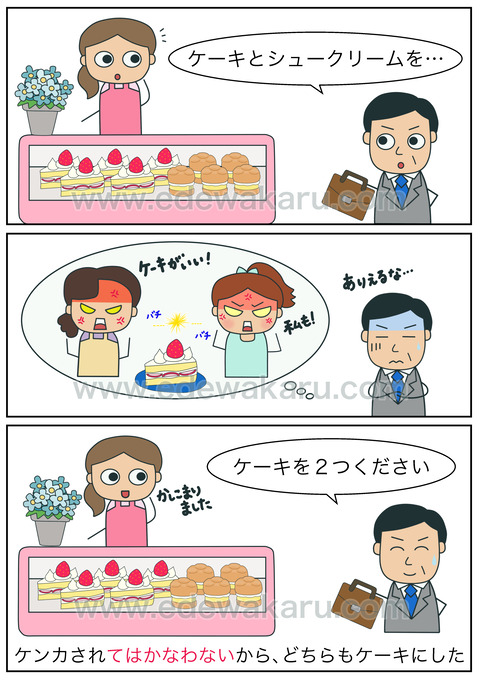
ケンカをされてはかなわないから、どちらもケーキにした
→ケンカをされては困るから、どちらもケーキにした試験に遅れてはかなわないので、今日は早く寝よう
→試験に遅れては困るので、今日は早く寝よう忙しいからといって、毎日残業させられてはかなわない
→毎日残業させられては困る高いグラスを割られてはかなわないから、しまっておこう
→割られたら困るので、しまっておこうA:うちのお母さんは何かにつけて文句を言ってくるの!B:そっか…お母さんは心配してくれてるんだと思うよA:うん。でも毎日文句ばかり言われてはかなわないよ…
→毎日文句ばかり言われたら嫌になるよ…
くらべてわかる日本語表現文型辞典
Meaning
Aという嫌な、耐えがたい状態が話し手に降りかかることが許せない、納得できない、困る。
How to use it
Aてはかなわない
[動詞-て形]はかなわない
Explanation
【対比1】
「Aてはたまらない」
意味は同じ。置き換え可能。
In context 4 examples
一生懸命貯めた金を募金したんだから、無駄に使われてはかなわない。
食中毒になってはかなわないので、よく消費期限を見て買っている。
車内マナーの悪い人に注意して、逆に暴力を振るわれてはかなわないと、黙って見過ごす人は多いだろう。
留守中に泥棒に入られてはかなわないからカギを二つもつけた。
毎日のんびり日本語教師
How to use it
動て形+(は)かなわない
イ形語幹+くて(は)かなわない
ナ形語幹+で(は)かなわない
名詞+で(は)かなわない
Explanation
我慢できない、耐えられないという主観的な感情を強調します。
「やりきれない」は例文(8)のように単独でも用いることができます。
「こんなに」等の語が呼応すると、「~ては敵わない/ては遣り切れない」のように「は」が必要になる場合が多いです。
元々は動詞「(に)適う/敵わない」です。対抗する力がある/ないといいう意味を持ちます。例文(9)(10)。
Notes
特になし
In context 10 examples
歯が痛くてかなわない。(牙疼的受不了。)
彼と一緒にいると気まずいし、会話が続かなくてかなわない。
ダイエットしたいが、毎晩断食ではかなわない。
近隣に住む若者がうるさくて敵わない。(住在附近的年轻人吵得让人受不了。)
こんなに寒くては敵わない。
毎日残業続きではやりきれない。(每天加班可真受不了。)
悲しくてやりきれない。(悲伤得受不了。)
このやりきれない気持ちを誰かに伝えたい。
誰も君の可愛さには敵わないよ。
あいつには敵わない。