文法
Meaning
〜を第一に
代表的なものを1つ「〜をはじめ」でピックアップし、それから、他の同じグループのものを言うときに使う。
How to use it
N + をはじめ
In context 8 examples
田中さんはピアノをはじめ、ギター、ドラム、バイオリンなど多くの楽器を演奏できる。
今年はマレーシアをはじめ、東南アジアの各国を旅行したいと思っている。
ハンバーガーはアメリカをはじめ、世界中で食べられるようになった。
日本には英語をはじめ、フランス語、ドイツ語などから来た外来語がたくさんある。
カップヌードルはアジアをはじめ、世界中で売られるようになった。
昨年は黒田先生をはじめ、たくさんの先生方にお世話になりました。
日本のスポーツとしては、相撲をはじめ、柔道、剣道、弓道などが挙げられる。
日本の伝統芸能としては、歌舞伎をはじめ、生け花、能などが挙げられる。
Bunpro Grammar Reference
Meaning
Not only...but also..., Starting with
How to use it
Noun + をはじめ(として)
Noun + をはじめとする + Noun
Nuance
A phrase that expresses logical or planned progressions that start from (A).
Explanation
When presenting a topic in Japanese as a 'starting point', を始め will often be used to show any logic (or planned) progressions from that point. This is often translated as 'not only (A), but (B)', or 'starting with (A), (B)'.
To use を始め, one noun will be highlighted as the starting point, before another (or several others) will appear in part (B) of the sentence.
この会社は車を始め、ロケットなども作っている。
Not only does this company make cars, but it also makes rockets.
私の近所には、公園をはじめ、博物館など、プラネタリウムがある。
Not only is there a park in my neighborhood, but also a museum, and a planetarium.
Due to sentences featuring をはじめ placing emphasis on (A) as a starting point, additional expressions such as として (or とする) will sometimes be paired with it. These structures function to further emphasize (A), and are similar to 'with (A) as the starting point, (B)'.
ストリートファッションはアメリカを始めとして、世界中に進出していく。
With America as the starting point, street fashion spread all over the world.
この商品には卵をはじめとする多くのアレルゲンが含まれている。
Starting with eggs, there are many allergens in this product. (Eggs being the primary allergen)
Nuance · 日本語
(A)を起点とした論理的、又は計画的な進行を表す表現。
Explanation · 日本語
「を始め」は、ある例を「出発点」として挙げて、そこからほかの例に話を広げるときに使われる表現です。これは「(A) だけでなく (B) も」や「まず (A) 、そして (B)」のような意味で使われます。
「を始め」は、まず出発点となる名詞のあとに置かれ、そのあとの (B) の部分でほかの例などが挙げられます。
この会社は車を始め、ロケットなども作っている。
Not only does this company make cars, but it also makes rockets.
私の近所には、公園をはじめ、博物館など、プラネタリウムがある。
Not only is there a park in my neighborhood, but also a museum, and a planetarium.
「をはじめ」に、「として」や「とする」のような表現を付けると、「出発点」としての (A) をもっと強調することができます。
ストリートファッションはアメリカを始めとして、世界中に進出していく。
With America as the starting point, street fashion spread all over the world.
この商品には卵をはじめとする多くのアレルゲンが含まれている。
Starting with eggs, there are many allergens in this product. (Eggs being the primary allergen)
In context 16 examples
- スーツを始め、シャツや靴も新しくした。
Starting with a suit, I also upgraded my shirts and shoes.
- 私の近所には、公園をはじめ、博物館など、プラネタリウムがある。
Not only is there a park in my neighborhood, but also a museum, and a planetarium.
- この会社は車を始め、ロケットなども作っている。
Not only does this company make cars, but it also makes rockets.
- ストリートファッションはアメリカを始めとして、世界中に進出していく。
With America as the starting point, street fashion spread all over the world.
- この商品には卵をはじめとする多くのアレルゲンが含まれている。
Starting with eggs, there are many allergens in this product. (Eggs being the primary allergen)
- 小説を始め、本なら何でも読みます。
Starting with short novels, I read all kinds of books.
- 犬を始め、様々な動物を飼うようになった。
Starting with dogs, I have come to raise various animals.
- 東京を始め、国内観光ツアーに行きます。
I am going on a countrywide tour starting in Tokyo.
- ヨーロッパを始め、世界中を旅行してみたいです。
Starting in Europe, I want to travel the world.
- 先生を始め、生徒たちにも教えてあげてください。
Please teach teachers, as well as students.
- パソコンを始め、その他の機器も導入するつもりだ。
I plan to set up various devices, starting with computers.
- この国はミサイルを始め、核兵器まで開発している。
This country is developing arms, starting with missiles and moving to nuclear weapons.
- 社長を始め、社員も皆同じ目標を持ってがんばっています。
Starting with the company president, the employees are also doing their best with common, firm goals in mind.
- 担任の先生を始め、先生方には本当にお世話になりました。
Starting with my homeroom teacher, I would like to thank my teachers for taking care of me.
- 日本語を始め、韓国語と中国語も学びたい。
Starting with Japanese, I would also like to learn Korean and Chinese.
- 漫才を始めとする日本のいろいろな「お笑い」に興味を持ち始めた。
I have taken interest in various kinds of Japanese comedy, starting with 'manzai'.
どんなときどう使う 日本語表現文型辞典
Meaning
including
How to use it
N+をはじめF
Explanation
~を第一に
代表となるものを「~をはじめ」で挙げておいて、「同じグループのほかのものもみんな」と言いたいときに使う。その代表以外にそれを含む範囲全体に及ぶことを強調するから、後の文には、「みんな・いろいろ・たくさん・だれも」など、多数を表す語が来ることが多い。「をはじめとして」と意味・用法がほとんど同じ。
Takes up some representative item; indicates everything in same group is included. Emphasizes breadth of range outside of representative element so clause following often takes みんな, いろいろ, たくさん, or だれも. Meaning and usage are nearly same as for をはじめとして.
In context 3 examples
ご両親をはじめ、家族の皆さんによろしくお伝えください。
今年は富士山をはじめ、各地の有名な山に登ろう。
わたしは日本に来てから保証人をはじめ多くの方のお世話になって暮らしています。
絵でわかる日本語
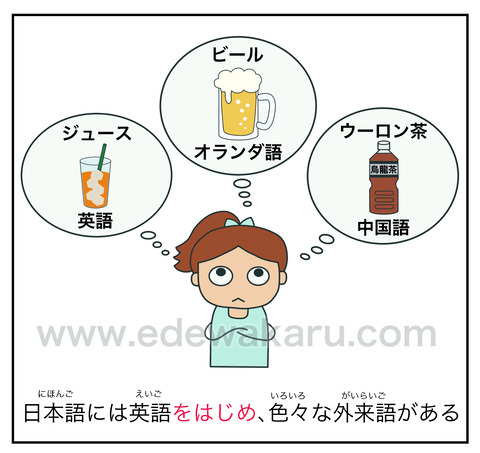
Meaning
〜を代表例として、その他にも
How to use it
名詞[辞書形]+をはじめ
名詞[辞書形]+をはじめとする+名詞
Explanation
「〜をはじめ」は「〜を代表例として、他にもある」という意味を表す文型です。この文型は最初に代表的なものを例にあげて、その後に同じような例をあげる場合に使用されます😊
この文型を使う時には同じグループのものを例としてあげるようにしてください。また「〜はじめとして」の「として」は省略できます😀
[上の例文について]
①グループ :言語→英語・オランダ語・中国語・ドイツ語など
②グループ:甘いもの→ケーキ・クッキー・チョコレートなど
③グループ:日本食→寿司・ラーメン・うどんなど
④グループ:観光地→富士山・スカイツリー・浅草など
作文を作る時に同じグループのものを並べると覚えておくといいですね😉
In context 4 examples
日本語には英語をはじめ、色々な外来語がある
→日本語には英語を代表例として、色々な外来語があるケーキをはじめとして、甘いものが大好きです
→ケーキを代表例として、その他の甘いものが大好きです寿司をはじめ、ラーメンやうどんなどの日本食が世界で人気です
→寿司を代表例として、他にもラーメンやうどんなどの日本食が世界で人気です富士山やスカイツリーをはじめとする観光地が外国人に人気です
→富士山やスカイツリーなどの観光地が外国人に人気です
くらべてわかる日本語表現文型辞典
Meaning
意味1:Aを代表としてB。話し手はAをBの代表的な存在と認識した表現であり、Aを例示的に使うこともある。
意味2:Aを示し、次にB,C…と示す。順番があるものを並列的に述べる。
How to use it
AをはじめB(AをはじめとするB)
[名詞-∅]をはじめ
In context 8 examples
校長先生をはじめ、諸先生方にもよろしくお伝えください。
田中氏をはじめとする視察団一行は、昨夜現地入りした。
川端康成は「雪国」をはじめ、数多くの小説を書いた。
かぼちゃをはじめ、緑黄色野菜は体にとてもいい。
今日から九州をはじめ、中国、四国地方は梅雨に入りました。
駅前第1ビルをはじめ、第2、第3ビルも空き室が目立っている。
合唱コンクールにはA組をはじめ、C組、E組が出場予定です。
政府は小学校をはじめ、中学、高校にも注意を呼び掛けた。
日本語NET JLPT文法解説まとめ
Meaning
〜を第一に
代表的なものを1つ「〜をはじめ」でピックアップし、それから、他の同じグループのものを言うときに使う。
How to use it
N + をはじめ
Explanation
This expression is used to pick out one representative example first with '〜をはじめ,' and then to introduce other similar items within the same group.
In context 8 examples
田中さんはピアノをはじめ、ギター、ドラム、バイオリンなど多くの楽器を演奏できる。
今年はマレーシアをはじめ、東南アジアの各国を旅行したいと思っている。
ハンバーガーはアメリカをはじめ、世界中で食べられている。
日本には英語をはじめ、フランス語、ドイツ語などから来た外来語がたくさんある。
カップヌードルはアジアをはじめ、世界中で売られるようになった。
昨年は黒田先生をはじめ、たくさんの先生方にお世話になりました。
日本のスポーツとしては、相撲をはじめ、柔道、剣道、弓道などが挙げられる。
日本の伝統芸能としては、歌舞伎をはじめ、生け花、能などが挙げられる。
IMABI
Defining Parameter
Read this IMABI lesson ↗Explanation
Defining Parameter: ~を始め(として), ~を皮切りに(して), ~に至るまで, ~をもって, & ~といったところだ
Defining the beginning and limitation of a parameter is something that people do all the time. These phrases, although not an exhaustive list of phrases in Japanese that fit this description, will allow you to become even more sophisticated in how you can articulate yourself in this regard.
~を始め(として)
As you should know, 始める means “to start”. をはじめ = “starting with”. It may also be expanded to をはじめとして, which is a bit more poignant.
1. 社長を始め、社員一同です。
Starting with the company president, all employees are present.
2. 日本の会社を始めとして、沢山の企業が業績悪化しています。
Starting with Japanese companies, a lot of businesses are in a downturn.
3. 彼は中国語を始め、日本語と韓国語にも堪能ですよ。
Starting with Chinese, he is also proficient in Japanese and Korean.
4. 春になると、桜をはじめとして、いろんな花が咲きます。
When it becomes spring, starting with cherry blossoms, various flowers blossom.
~を皮切りに(して)
皮切 かわきり means the “outset of things” and is used in the speech modal を皮切りに(して)・を皮切りとして to show that starting with X, you do something in succession. This pattern shouldn’t really be used with natural phenomena or bad things. What follows should be similar in nature, and it is especially used in situations where you want to clearly state such a chain of events.
5. 冗談じょうだんを皮切りに演説をする。
To give a speech by starting out with a joke.
6. 公演を皮切りに各地かくちで演奏会えんそうかいを開きました。
They opened up concerts in various/every place(s) as the start out of their public performance.
7. 今月6日の東京公演を皮切りにして、全国ツアーを予定しております。
We are planning to do a nationwide tour starting with a Tokyo performance on the sixth of this month.
8. 塩川さんの発言を皮切りにして、みんなが次々に意見を言った。
Starting with Shiokawa’s remarks, everyone said their opinions one after another.
9. カリフォルニアへの旅行を皮切りとして、国外をあちこち旅行しています。
Starting with a trip to California, I’m traveling all over outside the country.
~に至るまで
~に至るまで shows that a certain matter’s extent reaches a surprising state. As you will see in the examples, this speech modal attaches to nouns.
Examples
10. 今度の出張のスケジュール表ひょうは綿密めんみつすぎる!起床時間から飛行機内の食事開始時間に至るまで書いてあるよ。
This business trip’s schedule is too detailed! It has written on it the time from when we wake up to the time we start eating in the plane.
11. 畑中先生には卒業後の進路はもちろん、恋愛れんあいの悩なやみに至るまで何でも相談している。
My path after graduation is one thing, but I’m also consulting about everything to even love problems with Hatanaka Sensei.
12. 外国で暮らすことになったので、ベッドから台所用品だいどころようひんに至るまでみんなリサイクルショップに売った。
As it’s been decided that I live abroad, I sold everything from my bed to kitchen utensils to the recycling shop.
13. 今に至るまで作られている。
Even until now they are being made.
14. 頭から足先に至るまでのほぼ全身がびしょ濡ぬれだよ。
Basically my entire body is soaked from head to toe.
15. その大都市の学校はもちろんのこと、小さな分校に至るまで、統一されたカリキュラムで教育が行われている。
Of course, as far as that big city’s schools, education is done with a unified curriculum to even the smallest campus.
16. 彼は頭の上から爪先つまさきに至るまで全身泥まみれになった。
His entire body became covered in mud from the top of his head to his tiptoes.
Usage Note: This construction is not used in reference to animals. It is always used with something concerning humans.
More About 至る
至る means “to reach…”. It may follow the 連体形 or stem of する to show that something has finally reached a certain condition. ~に至って(は) and に至ると focus on something as the topic by raising an extreme example. Lastly, 至って as an adverb means “very” or “extremely”.
17. 中国語はもちろん、英語に至ってはからきしだめだよ。
Not to mention Chinese, reaching English is completely hopeless.
18. 年老いたとはいえ、至って健康です。
Although he has aged, he is extremely healthy.
19. 実施じっしするに至った状況を説明します。
I’ll explain the situation that’s led to this being implemented.
~をもって
Though only the first usage relates to the topic of this lesson, as this phrase has other important usages to know about, they will also be discussed at this time.
1. ~をもって marks the end of things, and is not used in daily conversation and it is very formal and official-like.
20. 本日の営業は10時をもって閉店致します。
Today’s business will close at 10 o’ clock.
21. 当店は10月末日をもちまして閉店させていただきました。長い間のご利用ありがとうございました。
This store will close at the end of October. Thank you for your long use (of our store).
22. 以上をもちまして本日の演説大会は終了いたします。
With this being the end, today’s speech convention is concluded.
23. 今期をもって私は退職するつもりでございます。
At the end of this term, I plan to retire.
24. 展覧会てんらんかいはこの時点を以って閉会とします。
We have decided to close this exhibition with/at this occasion.
It can also show a basis for something or object of judgment.
25. 一事いちじを以って人を判断するなかれ。(Archaic)
Do not judge a man by one action.
26. やつを以って嚆矢こうしとす。(Set phrase; archaism)
To hit the enemy as the aim with an arrow to signal the start of the battle.
27. 非人ひにんをもって任にんじるは悪し。(Archaic; classical)
It is bad to pose as a hinin.
Historical Note: A 非人 was a person of the lowest rank of society.
2. In でもって meaning “furthermore”. This is still used in formal writing.
28. 美人で以って頭も良い女
A woman who is a beautiful person, and furthermore smart
3. In まったくもって, a stronger version of まったく. Although more literary, it’s still possible to hear it used in the spoken language.
29. 宮城県は全くもって困った地方だね。
Miyagi Prefecture is a completely troubled region, isn’t it?
4. Older usages of this include being used as a conjunction to mean “thereupon” and as an equivalent to the case particle で to show means of action.
30. 以って瞑めいすべし。
Thereupon you should sleep.
31. 手紙を以って皇帝こうていを通達つうたつす。
To notify the Emperor with a letter.
~といったところだ
~といったところだ is used to say that at the most, something isn’t that high. It can be after nouns or verbs. It should only be used with phrases that concern a low number/amount.
41. せいぜい1泊で温泉に行くといったところでしょうか。
How about at the most going to an onsen for a night?
42. 私の睡眠すいみん時間は4時間といったところです。
My sleeping time is just at most four hours.
In context 37 examples
社長を始め、社員一同です。
Starting with the company president, all employees are present.
日本の会社を始めとして、沢山の企業が業績悪化しています。
Starting with Japanese companies, a lot of businesses are in a downturn.
彼は中国語を始め、日本語と韓国語にも堪能ですよ。
Starting with Chinese, he is also proficient in Japanese and Korean.
春になると、桜をはじめとして、いろんな花が咲きます。
When it becomes spring, starting with cherry blossoms, various flowers blossom.
冗談じょうだんを皮切りに演説をする。
To give a speech by starting out with a joke.
公演を皮切りに各地かくちで演奏会えんそうかいを開きました。
They opened up concerts in various/every place(s) as the start out of their public performance.
今月6日の東京公演を皮切りにして、全国ツアーを予定しております。
We are planning to do a nationwide tour starting with a Tokyo performance on the sixth of this month.
塩川さんの発言を皮切りにして、みんなが次々に意見を言った。
Starting with Shiokawa’s remarks, everyone said their opinions one after another.
カリフォルニアへの旅行を皮切りとして、国外をあちこち旅行しています。
Starting with a trip to California, I’m traveling all over outside the country.
今度の出張のスケジュール表ひょうは綿密めんみつすぎる!起床時間から飛行機内の食事開始時間に至るまで書いてあるよ。
This business trip’s schedule is too detailed! It has written on it the time from when we wake up to the time we start eating in the plane.
畑中先生には卒業後の進路はもちろん、恋愛れんあいの悩なやみに至るまで何でも相談している。
My path after graduation is one thing, but I’m also consulting about everything to even love problems with Hatanaka Sensei.
外国で暮らすことになったので、ベッドから台所用品だいどころようひんに至るまでみんなリサイクルショップに売った。
As it’s been decided that I live abroad, I sold everything from my bed to kitchen utensils to the recycling shop.
今に至るまで作られている。
Even until now they are being made.
頭から足先に至るまでのほぼ全身がびしょ濡ぬれだよ。
Basically my entire body is soaked from head to toe.
その大都市の学校はもちろんのこと、小さな分校に至るまで、統一されたカリキュラムで教育が行われている。
Of course, as far as that big city’s schools, education is done with a unified curriculum to even the smallest campus.
彼は頭の上から爪先つまさきに至るまで全身泥まみれになった。
His entire body became covered in mud from the top of his head to his tiptoes.
中国語はもちろん、英語に至ってはからきしだめだよ。
Not to mention Chinese, reaching English is completely hopeless.
年老いたとはいえ、至って健康です。
Although he has aged, he is extremely healthy.
実施じっしするに至った状況を説明します。
I’ll explain the situation that’s led to this being implemented.
~をもって marks the end of things, and is not used in daily conversation and it is very formal and official-like.
Today’s business will close at 10 o’ clock.
本日の営業は10時をもって閉店致します。
Today’s business will close at 10 o’ clock.
当店は10月末日をもちまして閉店させていただきました。長い間のご利用ありがとうございました。
This store will close at the end of October. Thank you for your long use (of our store).
以上をもちまして本日の演説大会は終了いたします。
With this being the end, today’s speech convention is concluded.
今期をもって私は退職するつもりでございます。
At the end of this term, I plan to retire.
展覧会てんらんかいはこの時点を以って閉会とします。
We have decided to close this exhibition with/at this occasion.
一事いちじを以って人を判断するなかれ。(Archaic)
Do not judge a man by one action.
やつを以って嚆矢こうしとす。(Set phrase; archaism)
To hit the enemy as the aim with an arrow to signal the start of the battle.
非人ひにんをもって任にんじるは悪し。(Archaic; classical)
It is bad to pose as a hinin.
In でもって meaning “furthermore”. This is still used in formal writing.
A woman who is a beautiful person, and furthermore smart
美人で以って頭も良い女
A woman who is a beautiful person, and furthermore smart
In まったくもって, a stronger version of まったく. Although more literary, it’s still possible to hear it used in the spoken language.
Miyagi Prefecture is a completely troubled region, isn’t it?
宮城県は全くもって困った地方だね。
Miyagi Prefecture is a completely troubled region, isn’t it?
Older usages of this include being used as a conjunction to mean “thereupon” and as an equivalent to the case particle で to show means of action.
Thereupon you should sleep.
以って瞑めいすべし。
Thereupon you should sleep.
手紙を以って皇帝こうていを通達つうたつす。
To notify the Emperor with a letter.
せいぜい1泊で温泉に行くといったところでしょうか。
How about at the most going to an onsen for a night?
私の睡眠すいみん時間は4時間といったところです。
My sleeping time is just at most four hours.
毎日のんびり日本語教師
How to use it
名詞+を始め(として)
名詞+を始めとする+名詞
Explanation
最も代表的かつ重要なものを1つ挙げ、後件にそれと同類のものを列挙する文法です。
Notes
特になし
In context 8 examples
地球を始めとした太陽系の惑星は太陽を中心に公転しているが、太陽はさらに天の川銀河を中心に公転している。
レストランAは大阪を始め、全国30か所に出店しています。
日本は中国を始めとして色んな国から観光客が来る時代になった。
大豆ミートはアメリカを始めヨーロッパなどでも爆発的に広がっている。(大豆肉在以美国为首的欧洲等地也爆发性地蔓延着。)
校長を始め、多くの先生方に褒められた。
会議には社長を始め、幹部も参加した。
当店では本格ラーメンを始めとして、デザート、おつまみなども幅広くご提供しております。
北陸地方を始めとして幅広い地域で大雪となっている。