Bunpro Grammar Reference
Meaning
Nevertheless, Even so
How to use it
Phrase (A) + それにしても + Phrase (B)
Nuance
A structure used to show that even going off that which was previously stated, (B) is still true.
Explanation
それにしても is an expression used in Japanese as an extension of にしても 'even though', or 'even if'. This grammar pattern may be translated as 'nevertheless', or 'even so', and merely points out that despite what was said previously, the speaker's primary opinion is the following statement.
In most cases, それにしても simply highlights that while the speaker accepts or acknowledges the previous statement as true, that is not all there is to be considered.
それにしても will primarily appear at the beginning of sentences, or directly after a comma.
彼女は新人だから仕方がないが、それにしても仕事ができなさすぎる。
She's new so we can't blame her, but even so, she is not good at her job at all.
田中くんは遅れてくると言っていたが、それにしてもくるのが遅すぎる。
Tanaka-kun said he will be late, but even so, it's taking him too long to come.
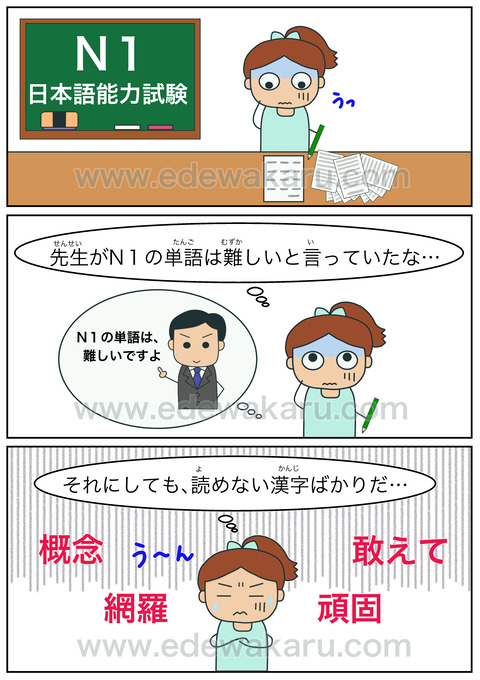
漢字を勉強し始めてから1年になる。それにしても、まだ全然漢字が読めない。
It has been a year since I started studying kanji. Nevertheless, I still can't read kanji at all.
Due to それにしても being used when the speaker is already aware of or accepts the situation of (A), (B) will frequently highlight something that is above or beyond that expectation.
家に来たばかりのときなんかお手もできなかったのにね。それにしても、大きくなったね。
When he first came to our house, he couldn't even give me his paw. Nevertheless, he got so big, don't you think?
先輩、昨日はご馳走様でした!それにしても、あそこの料理は最高でしたね!
Senpai, thank you for treating me yesterday! Nevertheless, that restaurant was awesome, wasn't it?!
Nuance · 日本語
先に述べられたことがあっても、(B)はまだ正しいということを表す表現。
Explanation · 日本語
「それにしても」は「にしても」が発展して生まれた表現です。これは「(A) だとしても (B)」という意味を表し、前に述べられたことに関わらず、話し手が言いたいことはその次にあることを示します。
多くの場合、「それにしても」は話し手が前に述べられたことを事実として受け入れ、認めつつも、まだ言いたいことがあるときに使われます。
「それにしても」は主に文の先頭か、読点の後に置かれます。
彼女は新人だから仕方がないが、それにしても仕事ができなさすぎる。
She's new so we can't blame her, but even so, she is not good at her job at all.
田中くんは遅れてくると言っていたが、それにしてもくるのが遅すぎる。
Tanaka-kun said he will be late, but even so, it's taking him too long to come.
漢字を勉強し始めてから1年になる。それにしても、まだ全然漢字が読めない。
It has been a year since I started studying kanji. Nevertheless, I still can't read kanji at all.
「それにしても」は話し手がすでに (A) の状況を知っていたり、受け入れたりしているときに使われるため、(B) では (A) から予想される範囲を超える内容が述べられることが多いです。
家に来たばかりのときなんかお手もできなかったのにね。それにしても、大きくなったね。
When he first came to our house, he couldn't even give me his paw. Nevertheless, he got so big, don't you think?
先輩、昨日はご馳走様でした!それにしても、あそこの料理は最高でしたね!
Senpai, thank you for treating me yesterday! Nevertheless, that restaurant was awesome, wasn't it?!
In context 17 examples
- ラッピングをお願いしたが、それにしても、かなりの過剰包装だ。
I asked for wrapping, but even so, the wrapping was excessive.
- 家に来たばかりのときなんかお手もできなかったのにね。それにしても、大きくなったね。
When he first came to our house, he couldn't even give me his paw. Nevertheless, he got so big, don't you think?
- 彼女は新人だから仕方がないが、それにしても仕事ができなさすぎる。
She's new so we can't blame her, but even so, she is not good at her job at all.
- 田中くんは遅れてくると言っていたが、それにしてもくるのが遅すぎる。
Tanaka-kun said he will be late, but even so, it's taking him too long to come.
- 先輩、昨日はご馳走様でした!それにしても、あそこの料理は最高でしたね!
Senpai, thank you for treating me yesterday! Nevertheless, that restaurant was awesome, wasn't it?!
- 漢字を勉強し始めてから1年になる。それにしても、まだ全然漢字が読めない。
It has been a year since I started studying kanji. Nevertheless, I still can't read kanji at all.
- 彼らが問題の解決に手を貸していますが、それにしてもそれは難問です。
They are lending a hand to solve that problem. Even so, that is a tough one.
- 古い車だから仕方がないが、それにしても加速が悪すぎる。
It is an old car so it can't be helped, but nevertheless, the acceleration is terrible.
- 上司から許可を得ました。それにしても、本部に連絡しないといけません。
We received permission from the boss. Even so, we have to contact the headquarters.
- 災害を防止するには、避難訓練が必要だ。それにしても、完全な予防は無理だろう。
In order to prevent disasters, disaster drills are necessary. Nevertheless, complete prevention is probably impossible.
- 彼女と付き合って一年になる。それにしても、女の人の気持ちはよく分からない。
It will be one year since I started dating my girlfriend. Even so, I don't understand women's feelings very well.
- 送別会の準備をしなければいけない。それにしても、この会館は安く借りられてありがたい。
We have to prepare for the farewell party (ourselves). Nevertheless, I am thankful that we could rent this event hall for cheap.
- 泳ぐのが好きなのだろうが、それにしても、何回海水浴に行けば気がすむんだ…
You probably like swimming, but nevertheless, how many times do you have to go to the beach for you to grow tired of it.
- 不祥事の責任は取らなければいけないが、それにしても、解散する必要はなかったと思います。
Responsibility for the scandal must be taken, but even so, I don't think it was necessary for them to break up.
- 作った野菜が荒らされる被害が出ているが、それにしても、そこまで厳重な垣根を作らなくてもいいのに…
The vegetables we are growing are being damaged by pests, even so, you don't need to make such a secure fence...
- チャレンジするのはいいことだが、それにしても、成功する確率が低すぎる。
It is good to take on challenges, but nevertheless, the rate at which you succeed is too low.
- 火山の噴火は落ち着いたが、それにしても、今回の被害はひどすぎます。
The volcanic eruption has died down, nevertheless the damage done this time is too severe.
絵でわかる日本語
日本語文型辞典
Meaning
基本情報説明「そのことを考慮に入れても」という意味を表す。前に述べたことを一応認めながらも、それとは食い違うことがらを述べるのに使う。例文① A:予選ではあんなに強かったのにどうして決勝で負けたんでしょうね。
B:プレッシャーでしょう。A:それにしてもひどい負け方ですね。② A:坂本さん、あの高校に受かったんだってね。
B:必死で勉強してたらしいよ。A:それにしてもすごいね。③ A:太郎、また背がのびたようよ。
B:それにしても、あいつはよく寝るなあ。④ A:またガソリン代、値上がりしたよ。
B二それにしても政治家はなにをしてるんだろう。われわれがこんなに苦しんでいるのに。⑤ ≪A、Bが竹下を待っている≫A:よく降りますね。
B:ええ、それにしても竹下さん遅いですね。
日本語文型辞典 英語版
Meaning
B:プレッシャーでしょう。
Probably due to pressure.
A:それにしてもひどい負け方ですね。
Even so, he really lost badly.
B:必死で勉強してたらしいよ。
Apparently she studied really hard for it.
A:それにしてもすごいね。
Even so, that’s really something!
B:それにしても政治家はなにをしてるんだろう。われわれがこんなに苦しんでいるのに。
And what are the politicians doing about it? While we’re struggling so hard.
B:それにしても、あいつはよく寝るなあ。
Even so (even though children who sleep well grow well), he really does sleep a lot, doesn’t he.
A:よく降りますね。
It’s really raining hard, isn’t it?
B:ええ、それにしても竹下さん遅いですね。
Yes, but even so, Takeshita-san is quite late, isn’t he?
Means “even taking that (fact) into account.” In
(1)
-
(3)
, it is used to say something that contrasts with a previous statement, while acknowledging that the previous statement is by and large true. In
(4)
and
(5)
, it is used to introduce a new topic, after expressing provisional agreement with what has been said up to that point. In the latter case, it often expresses the feelings of the speaker at that time.
In context 5 examples
A:予選ではあんなに強かったのにどうして決勝で負けたんでしょうね。
He was so good in the preliminaries—I wonder why he lost in the final.
A:坂本さん、あの高校に受かったんだってね。
I hear Sakamoto-san passed the exam to get into that high school.
A:またガソリン代、値上がりしたよ。
The cost of gasoline has gone up again.
A:太郎、また背がのびたようよ。
Taro seems to have grown more.
《A、Bが竹下さんを待っている》
《A and B are waiting for Takeshita-san》